25 Backyard Guest House Design Ideas to Create a Cozy, Perfect Retreat
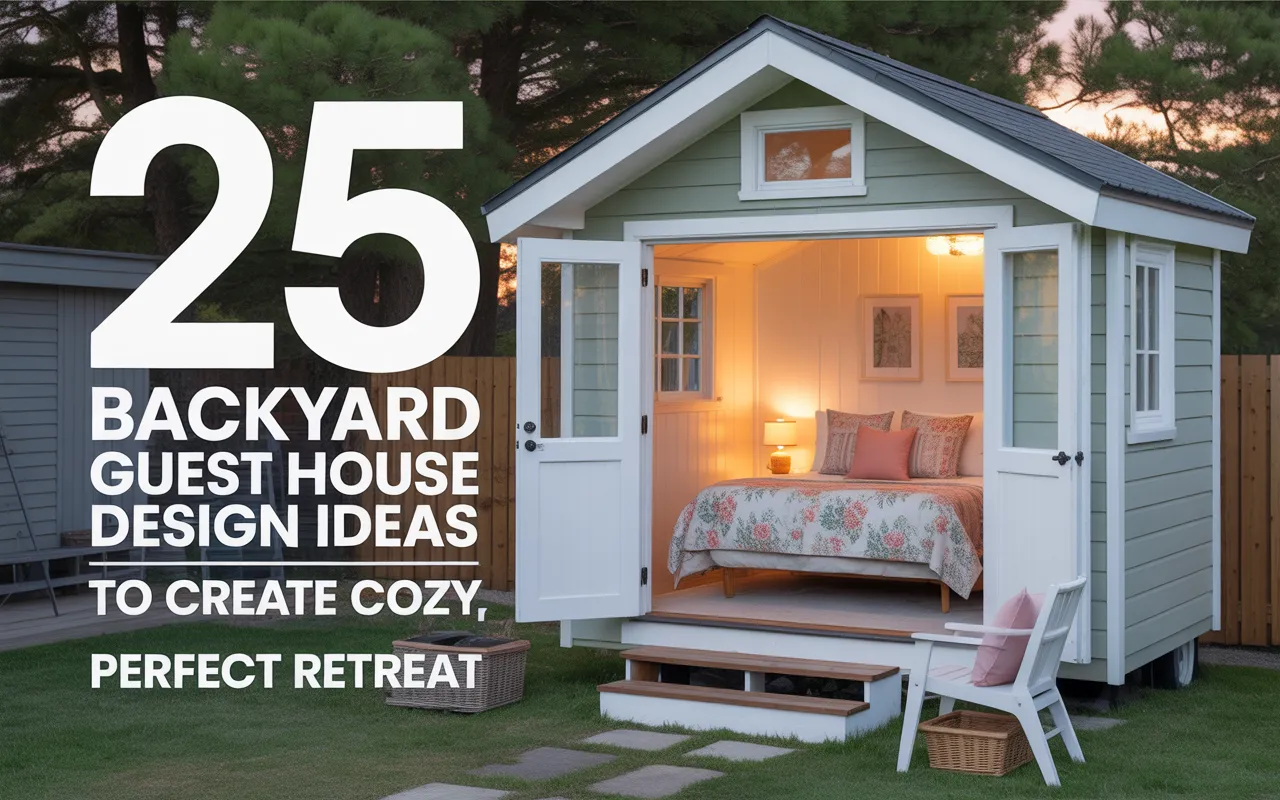
A backyard guest house works when guests can sleep, wash, make coffee, and sit somewhere soft without knocking on your back door for every small thing. The 25 designs below cover that range, from a Scandinavian cabin with skylights to a simple retreat with a daybed, and each one solves the small space problem in a different way worth stealing.
Size is not the deciding factor. Most of these guest houses sit between 200 and 400 square feet, and the comfortable ones share the same habits, furniture that does two jobs, storage built into walls, and one window placed where it matters. Note those habits as you read. They transfer to any shed conversion, garage build, or prefab unit.
Think about your own guests while you go through the list. Parents staying a week need different things than friends staying one night, a reading chair and blackout blinds for the first group, a good daybed and a coffee setup for the second. Pick the three designs closest to your real guests and plan from those, not from the prettiest photo.
This post contains affiliate links. If you buy through them, I may earn a small commission at no extra cost to you.
1. Scandinavian-Style Guest House with Skylights

Start with a Scandinavian style guest house with skylights, pale wood, white walls, and a bed under the slope. This works because nothing fights for attention. The base stays simple, one or two pieces carry the character, and the rest supports quietly in the background. Measure the spot before you buy anything, leave clear room to walk past, and live with the layout for a day. Small awkward corners usually need less furniture, not more, plus one strong texture to stop the space feeling flat and unfinished.
Put skylights over the bed: Measure the width, depth, and the swing or walkway around the spot before ordering. Write the numbers in your phone and check them at checkout, every time. Pick the version with washable covers or wipeable surfaces if the corner gets daily use, because pretty pieces that stain fast stop being used. Stay inside one tight palette of three colors. That single rule prevents most mismatched, impulse buy regrets later.
Keep the palette to three tones: Finish with one layer you can swap by season, a throw, a cushion cover, or a small tray vignette. That swap keeps the corner feeling fresh without a full redo. Dust and shake out the soft pieces weekly, and wash covers before they start looking tired rather than after. Take one phone photo from the doorway. If your eye lands where you wanted it to, the corner is done. Stop there.
- Skylights over the bed give stargazing without losing wall space to windows.
- Add blackout blinds to the skylights or guests will wake at dawn.
- Pale wood floors reflect the skylight glow around the whole room.
Shop This Look
2. Cozy Backyard Guest House with Daybed Lounge

The heart of this one is a cozy backyard guest house with a daybed lounge that sleeps one and seats three by day. Keep the footprint honest. In a compact room, a piece that is two inches too deep changes how the whole corner feels and how you move through it. Build around the item you already own and love, then add pieces in the same color family. A repeated color, even in small doses, makes separate buys look like one planned set over time.
Let the daybed do both jobs: Choose the anchor piece first and let everything else follow its scale. If the anchor is soft and rounded, echo that softness in one more item so the corner reads as intentional. Check reviews for real room photos rather than studio shots, since scale lies in product pictures. Keep receipts until the piece survives a normal week of use. Comfort and cleaning matter more than a styled photo here.
Dress it like a sofa: Keep the styling slightly imperfect on purpose. A draped throw, a book left open, one lived in detail stops the corner looking like a showroom and makes people actually want to sit down. Rotate small decor between rooms every few months instead of buying more. Pieces feel new again in a different spot, and your storage stays sane. If something has not been touched in a season, let it go.
- A twin daybed with a proper mattress sleeps as well as a bed.
- Use firm back cushions along the wall so it sits like a sofa.
- Keep spare bedding in a trunk at the foot for quick changeovers.
Shop This Look
3. Modern Guest House with Compact Kitchenette

Try a modern guest house with a compact kitchenette, two burners, a small fridge, and a sink along one wall if the corner currently does nothing. Most unused corners fail for one plain reason, there is nowhere comfortable to sit, put a drink, or set down a book. Fix that first and the styling gets much easier. Work from the floor up, largest piece first, smallest decor last. Stop adding once the corner answers a real daily need, because extra decor after that point only creates visual noise.
Keep the kitchenette on one wall: Think about how the corner gets used on a tired weekday, not on a photo day. Storage that opens easily gets used, fiddly storage gets ignored. Put the item you reach for most at hand height, and the rarely used items higher or lower. Leave one small empty patch of surface on purpose. A corner with zero breathing room looks cluttered no matter how nice each individual piece is.
Size appliances down: Light decides whether this corner gets used after dark, so check it at night before calling it finished. Add a warm bulb, move a lamp, or borrow light from the nearest fixture until faces and pages read comfortably. Keep cords tucked along the wall with clips, since loose cords cheapen even expensive pieces fast. One plant or one faux stem near the light adds life without asking for much upkeep.
- A two burner induction hob covers real cooking in guest stays.
- An under counter fridge leaves the worktop free for a kettle and board.
- Give guests a coffee setup first, full cooking matters less.
Shop This Look
4. Backyard Guest House with Vaulted Ceiling Charm

Look at a backyard guest house with vaulted ceiling charm, exposed beams, and tall windows at the gable end as a small room inside the room. It needs its own light, its own soft layer, and one surface that does real work. Without those three, a corner looks decorated but feels useless, and nobody ends up sitting there. Pick pieces you can move alone, since apartment layouts change. Flexible pieces get rearranged and kept. Heavy, single purpose pieces get sold or shoved aside within a year.
Spend height, not floor space: Set a firm budget for the whole corner before you shop for any single piece. Spend the largest share on the item your body actually touches, like seating or bedding, and save on the small decor. Buy the small pieces last, in person if you can, so the colors match your real light. Apartment light runs warmer than store light, and blush and cream tones shift the most under it.
Keep beams light or white: Protect the pieces that cost the most. Use coasters, washable layers, and felt pads without thinking twice, since small apartments show wear faster than big rooms do. Fluff cushions when you walk past, straighten the throw at night, tiny habits like that keep the whole corner looking cared for. When a piece wears out, replace it in the same color family so the rest of the corner keeps working.
- A vaulted ceiling makes 250 square feet feel twice the size.
- Paint beams white in small builds, dark beams shrink the room.
- Hang one pendant at the peak to mark the height.
Shop This Look
5. Cozy Guest House with Indoor-Outdoor Flow

Start with a cozy guest house with indoor outdoor flow, wide doors opening to a small deck and garden. This works because nothing fights for attention. The base stays simple, one or two pieces carry the character, and the rest supports quietly in the background. Measure the spot before you buy anything, leave clear room to walk past, and live with the layout for a day. Small awkward corners usually need less furniture, not more, plus one strong texture to stop the space feeling flat and unfinished.
Open the whole wall if you can: Measure the width, depth, and the swing or walkway around the spot before ordering. Write the numbers in your phone and check them at checkout, every time. Pick the version with washable covers or wipeable surfaces if the corner gets daily use, because pretty pieces that stain fast stop being used. Stay inside one tight palette of three colors. That single rule prevents most mismatched, impulse buy regrets later.
Build the deck level with the floor: Finish with one layer you can swap by season, a throw, a cushion cover, or a small tray vignette. That swap keeps the corner feeling fresh without a full redo. Dust and shake out the soft pieces weekly, and wash covers before they start looking tired rather than after. Take one phone photo from the doorway. If your eye lands where you wanted it to, the corner is done. Stop there.
- Wide doors double the living space on warm evenings.
- A level threshold stops trips and lets furniture move outside easily.
- Add outdoor cushions in the same colors as the indoor ones.
Shop This Look
6. Minimalist Backyard Guest House with Neutral Tones

The heart of this one is a minimalist backyard guest house in neutral tones, with hidden storage and very few objects on show. Keep the footprint honest. In a compact room, a piece that is two inches too deep changes how the whole corner feels and how you move through it. Build around the item you already own and love, then add pieces in the same color family. A repeated color, even in small doses, makes separate buys look like one planned set over time.
Hide storage, show calm: Choose the anchor piece first and let everything else follow its scale. If the anchor is soft and rounded, echo that softness in one more item so the corner reads as intentional. Check reviews for real room photos rather than studio shots, since scale lies in product pictures. Keep receipts until the piece survives a normal week of use. Comfort and cleaning matter more than a styled photo here.
Limit objects to what guests use: Keep the styling slightly imperfect on purpose. A draped throw, a book left open, one lived in detail stops the corner looking like a showroom and makes people actually want to sit down. Rotate small decor between rooms every few months instead of buying more. Pieces feel new again in a different spot, and your storage stays sane. If something has not been touched in a season, let it go.
- Built in benches with lids hide spare linen and cleaning supplies.
- A neutral palette makes tiny rooms feel larger and cleaner.
- Leave surfaces almost empty, guests bring their own clutter.
Shop This Look
7. Cozy Guest House with Reading Nook Corner

Try a cozy guest house with a reading nook corner, a chair angled to a window, a lamp, and a small shelf if the corner currently does nothing. Most unused corners fail for one plain reason, there is nowhere comfortable to sit, put a drink, or set down a book. Fix that first and the styling gets much easier. Work from the floor up, largest piece first, smallest decor last. Stop adding once the corner answers a real daily need, because extra decor after that point only creates visual noise.
Angle the chair to the view: Think about how the corner gets used on a tired weekday, not on a photo day. Storage that opens easily gets used, fiddly storage gets ignored. Put the item you reach for most at hand height, and the rarely used items higher or lower. Leave one small empty patch of surface on purpose. A corner with zero breathing room looks cluttered no matter how nice each individual piece is.
Stock two good books: Light decides whether this corner gets used after dark, so check it at night before calling it finished. Add a warm bulb, move a lamp, or borrow light from the nearest fixture until faces and pages read comfortably. Keep cords tucked along the wall with clips, since loose cords cheapen even expensive pieces fast. One plant or one faux stem near the light adds life without asking for much upkeep.
- A reading chair gives guests a reason to linger beyond sleeping.
- Place the lamp behind the shoulder, not on a side table in front.
- Leave two well chosen books and a local guide on the shelf.
Shop This Look
8. Backyard Guest House with Soft Earthy Color Palette

Look at a backyard guest house in a soft earthy color palette, clay, sand, and olive against warm wood as a small room inside the room. It needs its own light, its own soft layer, and one surface that does real work. Without those three, a corner looks decorated but feels useless, and nobody ends up sitting there. Pick pieces you can move alone, since apartment layouts change. Flexible pieces get rearranged and kept. Heavy, single purpose pieces get sold or shoved aside within a year.
Anchor earthy tones with wood: Set a firm budget for the whole corner before you shop for any single piece. Spend the largest share on the item your body actually touches, like seating or bedding, and save on the small decor. Buy the small pieces last, in person if you can, so the colors match your real light. Apartment light runs warmer than store light, and blush and cream tones shift the most under it.
Test colors in daylight: Protect the pieces that cost the most. Use coasters, washable layers, and felt pads without thinking twice, since small apartments show wear faster than big rooms do. Fluff cushions when you walk past, straighten the throw at night, tiny habits like that keep the whole corner looking cared for. When a piece wears out, replace it in the same color family so the rest of the corner keeps working.
- Earthy colors photograph warm but can read dark, test a large swatch first.
- Use olive and clay in textiles, keep walls a warm sand.
- Natural wood furniture stops earthy rooms feeling muddy.
Shop This Look
9. Guest House with Multi-Functional Furniture

Start with a guest house with multi functional furniture, a sofa bed, a folding table, and stackable stools. This works because nothing fights for attention. The base stays simple, one or two pieces carry the character, and the rest supports quietly in the background. Measure the spot before you buy anything, leave clear room to walk past, and live with the layout for a day. Small awkward corners usually need less furniture, not more, plus one strong texture to stop the space feeling flat and unfinished.
Every piece earns two jobs: Measure the width, depth, and the swing or walkway around the spot before ordering. Write the numbers in your phone and check them at checkout, every time. Pick the version with washable covers or wipeable surfaces if the corner gets daily use, because pretty pieces that stain fast stop being used. Stay inside one tight palette of three colors. That single rule prevents most mismatched, impulse buy regrets later.
Test the sofa bed yourself: Finish with one layer you can swap by season, a throw, a cushion cover, or a small tray vignette. That swap keeps the corner feeling fresh without a full redo. Dust and shake out the soft pieces weekly, and wash covers before they start looking tired rather than after. Take one phone photo from the doorway. If your eye lands where you wanted it to, the corner is done. Stop there.
- Sleep on the sofa bed one night before guests do, honesty matters.
- A drop leaf table seats four or folds to a console.
- Stackable stools work as seats, side tables, and plant stands.
Shop This Look
10. Modern Rustic Backyard Guest House

The heart of this one is a modern rustic backyard guest house mixing black metal, reclaimed wood, and clean white bedding. Keep the footprint honest. In a compact room, a piece that is two inches too deep changes how the whole corner feels and how you move through it. Build around the item you already own and love, then add pieces in the same color family. A repeated color, even in small doses, makes separate buys look like one planned set over time.
Mix one rough, one smooth: Choose the anchor piece first and let everything else follow its scale. If the anchor is soft and rounded, echo that softness in one more item so the corner reads as intentional. Check reviews for real room photos rather than studio shots, since scale lies in product pictures. Keep receipts until the piece survives a normal week of use. Comfort and cleaning matter more than a styled photo here.
Keep bedding plain white: Keep the styling slightly imperfect on purpose. A draped throw, a book left open, one lived in detail stops the corner looking like a showroom and makes people actually want to sit down. Rotate small decor between rooms every few months instead of buying more. Pieces feel new again in a different spot, and your storage stays sane. If something has not been touched in a season, let it go.
- Pair reclaimed wood with smooth metal so rustic stays modern.
- Plain white bedding freshens the rough textures around it.
- Limit rustic decor to the structure, too many props tip into theme park.
Shop This Look
11. Backyard Guest House with Loft Sleeping Area

Try a backyard guest house with a loft sleeping area above the living space and a ladder or stair if the corner currently does nothing. Most unused corners fail for one plain reason, there is nowhere comfortable to sit, put a drink, or set down a book. Fix that first and the styling gets much easier. Work from the floor up, largest piece first, smallest decor last. Stop adding once the corner answers a real daily need, because extra decor after that point only creates visual noise.
Check headroom honestly: Think about how the corner gets used on a tired weekday, not on a photo day. Storage that opens easily gets used, fiddly storage gets ignored. Put the item you reach for most at hand height, and the rarely used items higher or lower. Leave one small empty patch of surface on purpose. A corner with zero breathing room looks cluttered no matter how nice each individual piece is.
Light the loft separately: Light decides whether this corner gets used after dark, so check it at night before calling it finished. Add a warm bulb, move a lamp, or borrow light from the nearest fixture until faces and pages read comfortably. Keep cords tucked along the wall with clips, since loose cords cheapen even expensive pieces fast. One plant or one faux stem near the light adds life without asking for much upkeep.
- A loft needs enough headroom to sit up in bed, measure before building.
- Stairs with storage drawers beat ladders for older guests.
- Give the loft its own small light and a shelf for a phone and water.
Shop This Look
12. Guest House with Soft Lighting Ambience

Look at a guest house with soft lighting ambience, warm lamps, dimmers, and no harsh ceiling light as a small room inside the room. It needs its own light, its own soft layer, and one surface that does real work. Without those three, a corner looks decorated but feels useless, and nobody ends up sitting there. Pick pieces you can move alone, since apartment layouts change. Flexible pieces get rearranged and kept. Heavy, single purpose pieces get sold or shoved aside within a year.
Dim everything: Set a firm budget for the whole corner before you shop for any single piece. Spend the largest share on the item your body actually touches, like seating or bedding, and save on the small decor. Buy the small pieces last, in person if you can, so the colors match your real light. Apartment light runs warmer than store light, and blush and cream tones shift the most under it.
Add one night path light: Protect the pieces that cost the most. Use coasters, washable layers, and felt pads without thinking twice, since small apartments show wear faster than big rooms do. Fluff cushions when you walk past, straighten the throw at night, tiny habits like that keep the whole corner looking cared for. When a piece wears out, replace it in the same color family so the rest of the corner keeps working.
- Put every light on a dimmer so guests set their own mood.
- Warm bulbs flatter small rooms and tired travelers alike.
- A low night light between bed and bathroom prevents midnight stumbles.
Shop This Look
13. Backyard Guest House with Garden Views

Start with a backyard guest house with garden views, windows placed low and wide across the main wall. This works because nothing fights for attention. The base stays simple, one or two pieces carry the character, and the rest supports quietly in the background. Measure the spot before you buy anything, leave clear room to walk past, and live with the layout for a day. Small awkward corners usually need less furniture, not more, plus one strong texture to stop the space feeling flat and unfinished.
Frame one view, not five: Measure the width, depth, and the swing or walkway around the spot before ordering. Write the numbers in your phone and check them at checkout, every time. Pick the version with washable covers or wipeable surfaces if the corner gets daily use, because pretty pieces that stain fast stop being used. Stay inside one tight palette of three colors. That single rule prevents most mismatched, impulse buy regrets later.
Add privacy planting outside: Finish with one layer you can swap by season, a throw, a cushion cover, or a small tray vignette. That swap keeps the corner feeling fresh without a full redo. Dust and shake out the soft pieces weekly, and wash covers before they start looking tired rather than after. Take one phone photo from the doorway. If your eye lands where you wanted it to, the corner is done. Stop there.
- One wide window beats several small ones for a garden feel.
- Plant a shrub layer outside for privacy without curtains.
- Place the bed or daybed facing the view, not the door.
Shop This Look
14. Cozy Guest House with Textured Fabrics

The heart of this one is a cozy guest house layered with textured fabrics, wool, linen, boucle, and a knitted throw on every seat. Keep the footprint honest. In a compact room, a piece that is two inches too deep changes how the whole corner feels and how you move through it. Build around the item you already own and love, then add pieces in the same color family. A repeated color, even in small doses, makes separate buys look like one planned set over time.
Mix three textures minimum: Choose the anchor piece first and let everything else follow its scale. If the anchor is soft and rounded, echo that softness in one more item so the corner reads as intentional. Check reviews for real room photos rather than studio shots, since scale lies in product pictures. Keep receipts until the piece survives a normal week of use. Comfort and cleaning matter more than a styled photo here.
Keep textures washable: Keep the styling slightly imperfect on purpose. A draped throw, a book left open, one lived in detail stops the corner looking like a showroom and makes people actually want to sit down. Rotate small decor between rooms every few months instead of buying more. Pieces feel new again in a different spot, and your storage stays sane. If something has not been touched in a season, let it go.
- Texture does the decorating in a small guest house, color can stay quiet.
- Put the roughest textures where hands touch least.
- Wash throws between guests, texture traps dust and smells fast.
Shop This Look
15. Backyard Guest House with Calm Neutral Bedroom

Try a backyard guest house with a calm neutral bedroom zone, a proper bed, and matching bedside pieces if the corner currently does nothing. Most unused corners fail for one plain reason, there is nowhere comfortable to sit, put a drink, or set down a book. Fix that first and the styling gets much easier. Work from the floor up, largest piece first, smallest decor last. Stop adding once the corner answers a real daily need, because extra decor after that point only creates visual noise.
Give the bed real room: Think about how the corner gets used on a tired weekday, not on a photo day. Storage that opens easily gets used, fiddly storage gets ignored. Put the item you reach for most at hand height, and the rarely used items higher or lower. Leave one small empty patch of surface on purpose. A corner with zero breathing room looks cluttered no matter how nice each individual piece is.
Match the bedside pair: Light decides whether this corner gets used after dark, so check it at night before calling it finished. Add a warm bulb, move a lamp, or borrow light from the nearest fixture until faces and pages read comfortably. Keep cords tucked along the wall with clips, since loose cords cheapen even expensive pieces fast. One plant or one faux stem near the light adds life without asking for much upkeep.
- A proper bed, not a fold out, is what guests remember most kindly.
- Two matching nightstands calm a small room more than one.
- Keep bedroom colors the quietest in the whole building.
Shop This Look
16. Backyard Guest House with Scandinavian Simplicity

Look at a backyard guest house built on Scandinavian simplicity, pale floors, simple lines, and one black accent as a small room inside the room. It needs its own light, its own soft layer, and one surface that does real work. Without those three, a corner looks decorated but feels useless, and nobody ends up sitting there. Pick pieces you can move alone, since apartment layouts change. Flexible pieces get rearranged and kept. Heavy, single purpose pieces get sold or shoved aside within a year.
Repeat pale wood everywhere: Set a firm budget for the whole corner before you shop for any single piece. Spend the largest share on the item your body actually touches, like seating or bedding, and save on the small decor. Buy the small pieces last, in person if you can, so the colors match your real light. Apartment light runs warmer than store light, and blush and cream tones shift the most under it.
Add one black contrast: Protect the pieces that cost the most. Use coasters, washable layers, and felt pads without thinking twice, since small apartments show wear faster than big rooms do. Fluff cushions when you walk past, straighten the throw at night, tiny habits like that keep the whole corner looking cared for. When a piece wears out, replace it in the same color family so the rest of the corner keeps working.
- Same pale wood on floor, shelves, and furniture unifies a tiny space.
- One black item, a lamp or frame, sharpens the pale scheme.
- Skip patterns, Scandinavian calm comes from plain surfaces.
Shop This Look
17. Cozy Guest House with Built-In Storage Walls

Start with a cozy guest house with built in storage walls, floor to ceiling cupboards hiding everything. This works because nothing fights for attention. The base stays simple, one or two pieces carry the character, and the rest supports quietly in the background. Measure the spot before you buy anything, leave clear room to walk past, and live with the layout for a day. Small awkward corners usually need less furniture, not more, plus one strong texture to stop the space feeling flat and unfinished.
Build storage into one wall: Measure the width, depth, and the swing or walkway around the spot before ordering. Write the numbers in your phone and check them at checkout, every time. Pick the version with washable covers or wipeable surfaces if the corner gets daily use, because pretty pieces that stain fast stop being used. Stay inside one tight palette of three colors. That single rule prevents most mismatched, impulse buy regrets later.
Label nothing, group everything: Finish with one layer you can swap by season, a throw, a cushion cover, or a small tray vignette. That swap keeps the corner feeling fresh without a full redo. Dust and shake out the soft pieces weekly, and wash covers before they start looking tired rather than after. Take one phone photo from the doorway. If your eye lands where you wanted it to, the corner is done. Stop there.
- One storage wall frees the other three walls for windows and the bed.
- Deep cupboards take suitcases, the item guests never know where to put.
- Keep a spare blanket, towels, and cleaning basics inside for quick turnovers.
Shop This Look
18. Backyard Guest House with Soft Cottage Charm

The heart of this one is a backyard guest house with soft cottage charm, a small porch, floral textiles, and painted furniture. Keep the footprint honest. In a compact room, a piece that is two inches too deep changes how the whole corner feels and how you move through it. Build around the item you already own and love, then add pieces in the same color family. A repeated color, even in small doses, makes separate buys look like one planned set over time.
Add a porch, however small: Choose the anchor piece first and let everything else follow its scale. If the anchor is soft and rounded, echo that softness in one more item so the corner reads as intentional. Check reviews for real room photos rather than studio shots, since scale lies in product pictures. Keep receipts until the piece survives a normal week of use. Comfort and cleaning matter more than a styled photo here.
Paint one furniture piece: Keep the styling slightly imperfect on purpose. A draped throw, a book left open, one lived in detail stops the corner looking like a showroom and makes people actually want to sit down. Rotate small decor between rooms every few months instead of buying more. Pieces feel new again in a different spot, and your storage stays sane. If something has not been touched in a season, let it go.
- Even a two chair porch gives guests their own outdoor spot.
- One painted piece, a dresser or cabinet, carries the cottage feel.
- Keep florals to two items so charm does not become clutter.
Shop This Look
19. Guest House with Seamless Indoor-Outdoor Connection

Try a guest house with a seamless indoor outdoor connection, matching floor levels and colors that continue outside if the corner currently does nothing. Most unused corners fail for one plain reason, there is nowhere comfortable to sit, put a drink, or set down a book. Fix that first and the styling gets much easier. Work from the floor up, largest piece first, smallest decor last. Stop adding once the corner answers a real daily need, because extra decor after that point only creates visual noise.
Continue one material outside: Think about how the corner gets used on a tired weekday, not on a photo day. Storage that opens easily gets used, fiddly storage gets ignored. Put the item you reach for most at hand height, and the rarely used items higher or lower. Leave one small empty patch of surface on purpose. A corner with zero breathing room looks cluttered no matter how nice each individual piece is.
Match colors across the door: Light decides whether this corner gets used after dark, so check it at night before calling it finished. Add a warm bulb, move a lamp, or borrow light from the nearest fixture until faces and pages read comfortably. Keep cords tucked along the wall with clips, since loose cords cheapen even expensive pieces fast. One plant or one faux stem near the light adds life without asking for much upkeep.
- Running the same tile or decking through the door erases the boundary.
- Repeat indoor cushion colors on the outdoor seats.
- A rug inside and a matching outdoor rug outside link the two zones.
Shop This Look
20. Backyard Guest House with Boho Accents

Look at a backyard guest house with boho accents, rattan, macrame, patterned textiles, and plants as a small room inside the room. It needs its own light, its own soft layer, and one surface that does real work. Without those three, a corner looks decorated but feels useless, and nobody ends up sitting there. Pick pieces you can move alone, since apartment layouts change. Flexible pieces get rearranged and kept. Heavy, single purpose pieces get sold or shoved aside within a year.
Ground boho with plain bedding: Set a firm budget for the whole corner before you shop for any single piece. Spend the largest share on the item your body actually touches, like seating or bedding, and save on the small decor. Buy the small pieces last, in person if you can, so the colors match your real light. Apartment light runs warmer than store light, and blush and cream tones shift the most under it.
Hang textiles, skip clutter: Protect the pieces that cost the most. Use coasters, washable layers, and felt pads without thinking twice, since small apartments show wear faster than big rooms do. Fluff cushions when you walk past, straighten the throw at night, tiny habits like that keep the whole corner looking cared for. When a piece wears out, replace it in the same color family so the rest of the corner keeps working.
- Boho layers work when the bed itself stays plain and calm.
- Hang macrame and textiles on walls instead of filling surfaces.
- Rattan furniture keeps the look light and easy to move.
Shop This Look
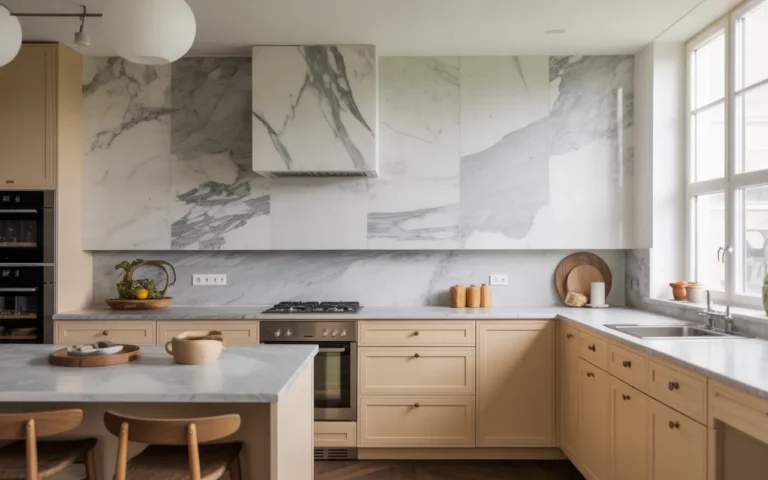
21. Guest House with Soft Neutral Kitchenette

Start with a guest house with a soft neutral kitchenette, pale cabinets, open shelves, and stoneware on show. This works because nothing fights for attention. The base stays simple, one or two pieces carry the character, and the rest supports quietly in the background. Measure the spot before you buy anything, leave clear room to walk past, and live with the layout for a day. Small awkward corners usually need less furniture, not more, plus one strong texture to stop the space feeling flat and unfinished.
Keep kitchenette colors quiet: Measure the width, depth, and the swing or walkway around the spot before ordering. Write the numbers in your phone and check them at checkout, every time. Pick the version with washable covers or wipeable surfaces if the corner gets daily use, because pretty pieces that stain fast stop being used. Stay inside one tight palette of three colors. That single rule prevents most mismatched, impulse buy regrets later.
Show stoneware, hide plastic: Finish with one layer you can swap by season, a throw, a cushion cover, or a small tray vignette. That swap keeps the corner feeling fresh without a full redo. Dust and shake out the soft pieces weekly, and wash covers before they start looking tired rather than after. Take one phone photo from the doorway. If your eye lands where you wanted it to, the corner is done. Stop there.
- Pale kitchenette cabinets make a small cooking corner feel clean.
- Open shelves with stoneware look styled without effort.
- Store plastic and cleaning gear in one closed box below the sink.
Shop This Look
22. Backyard Guest House with Calm Sleeping Loft

The heart of this one is a backyard guest house with a calm sleeping loft, low bed, soft light, and a small window at pillow height. Keep the footprint honest. In a compact room, a piece that is two inches too deep changes how the whole corner feels and how you move through it. Build around the item you already own and love, then add pieces in the same color family. A repeated color, even in small doses, makes separate buys look like one planned set over time.
Put a window at pillow height: Choose the anchor piece first and let everything else follow its scale. If the anchor is soft and rounded, echo that softness in one more item so the corner reads as intentional. Check reviews for real room photos rather than studio shots, since scale lies in product pictures. Keep receipts until the piece survives a normal week of use. Comfort and cleaning matter more than a styled photo here.
Keep the loft palette sleepy: Keep the styling slightly imperfect on purpose. A draped throw, a book left open, one lived in detail stops the corner looking like a showroom and makes people actually want to sit down. Rotate small decor between rooms every few months instead of buying more. Pieces feel new again in a different spot, and your storage stays sane. If something has not been touched in a season, let it go.
- A small window beside the pillow gives air and a morning view.
- Use the quietest colors up in the loft, sleep is the only job there.
- Fit a blackout blind, loft windows catch the earliest light.
Shop This Look
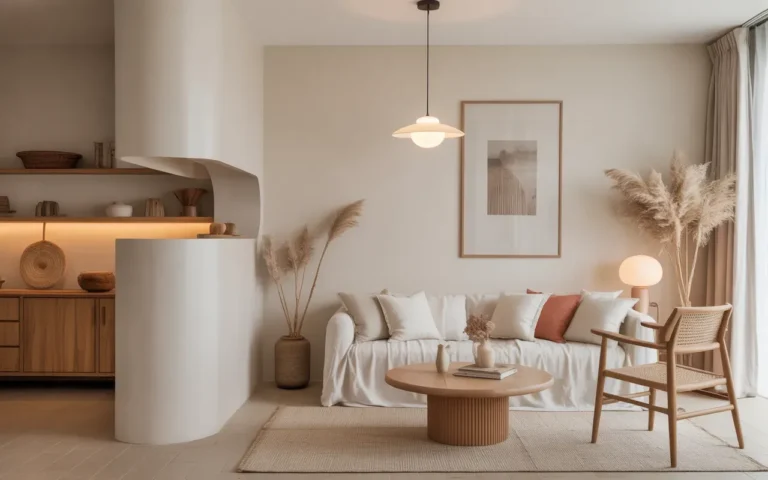
23. Guest House with Soft Japandi Influence

Try a guest house with soft Japandi influence, low furniture, clean lines, and warm minimal decor if the corner currently does nothing. Most unused corners fail for one plain reason, there is nowhere comfortable to sit, put a drink, or set down a book. Fix that first and the styling gets much easier. Work from the floor up, largest piece first, smallest decor last. Stop adding once the corner answers a real daily need, because extra decor after that point only creates visual noise.
Keep furniture low: Think about how the corner gets used on a tired weekday, not on a photo day. Storage that opens easily gets used, fiddly storage gets ignored. Put the item you reach for most at hand height, and the rarely used items higher or lower. Leave one small empty patch of surface on purpose. A corner with zero breathing room looks cluttered no matter how nice each individual piece is.
Choose function over decor: Light decides whether this corner gets used after dark, so check it at night before calling it finished. Add a warm bulb, move a lamp, or borrow light from the nearest fixture until faces and pages read comfortably. Keep cords tucked along the wall with clips, since loose cords cheapen even expensive pieces fast. One plant or one faux stem near the light adds life without asking for much upkeep.
- Low furniture under a normal ceiling makes the room feel taller.
- Japandi rooms hold very little decor, each item must be useful.
- Warm wood plus matte black is the whole palette, stick to it.
Shop This Look
24. Backyard Guest House with Cozy Fireplace Feature

Look at a backyard guest house with a cozy fireplace feature, a small wood stove or electric fire as the focal point as a small room inside the room. It needs its own light, its own soft layer, and one surface that does real work. Without those three, a corner looks decorated but feels useless, and nobody ends up sitting there. Pick pieces you can move alone, since apartment layouts change. Flexible pieces get rearranged and kept. Heavy, single purpose pieces get sold or shoved aside within a year.
Make the fire the focal point: Set a firm budget for the whole corner before you shop for any single piece. Spend the largest share on the item your body actually touches, like seating or bedding, and save on the small decor. Buy the small pieces last, in person if you can, so the colors match your real light. Apartment light runs warmer than store light, and blush and cream tones shift the most under it.
Plan seating around heat: Protect the pieces that cost the most. Use coasters, washable layers, and felt pads without thinking twice, since small apartments show wear faster than big rooms do. Fluff cushions when you walk past, straighten the throw at night, tiny habits like that keep the whole corner looking cared for. When a piece wears out, replace it in the same color family so the rest of the corner keeps working.
- Angle both seats toward the fire, it is the room’s television.
- An electric fire gives the glow without flue or firewood work.
- Keep a basket of throws beside the seats for cold evenings.
Shop This Look
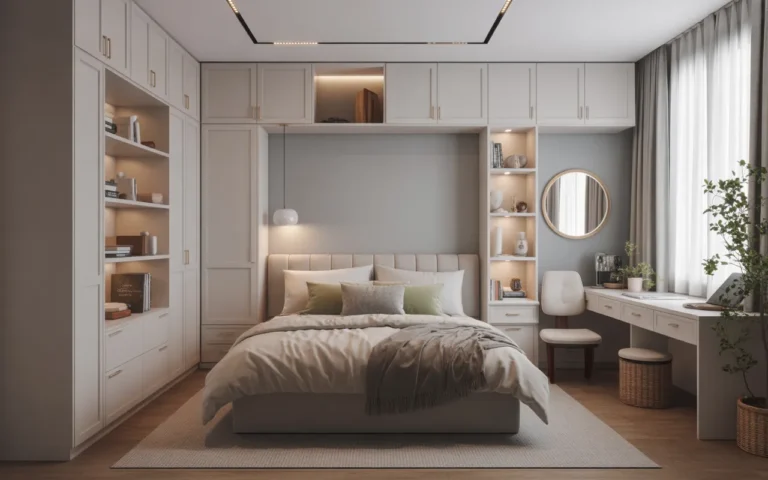
25. Guest House Designed as a Peaceful Personal Retreat

Start with a guest house designed as a peaceful personal retreat, used by the owners as much as by guests. This works because nothing fights for attention. The base stays simple, one or two pieces carry the character, and the rest supports quietly in the background. Measure the spot before you buy anything, leave clear room to walk past, and live with the layout for a day. Small awkward corners usually need less furniture, not more, plus one strong texture to stop the space feeling flat and unfinished.
Design it for yourself first: Measure the width, depth, and the swing or walkway around the spot before ordering. Write the numbers in your phone and check them at checkout, every time. Pick the version with washable covers or wipeable surfaces if the corner gets daily use, because pretty pieces that stain fast stop being used. Stay inside one tight palette of three colors. That single rule prevents most mismatched, impulse buy regrets later.
Add one luxury you lack indoors: Finish with one layer you can swap by season, a throw, a cushion cover, or a small tray vignette. That swap keeps the corner feeling fresh without a full redo. Dust and shake out the soft pieces weekly, and wash covers before they start looking tired rather than after. Take one phone photo from the doorway. If your eye lands where you wanted it to, the corner is done. Stop there.
- A retreat you use weekly never sits empty and stale between guests.
- Add the thing your main house lacks, a soaking tub, a writing desk, silence.
- Keep guest supplies in one box so the switch from retreat to guest mode takes minutes.
Shop This Look
How to Start
Start on paper, with your local rules. Most areas limit guest house size, height, and how close it can sit to the boundary, and some ban cooking facilities or separate rental use. Check permits before you fall in love with a design, because a beautiful plan you cannot build is worth nothing. Measure your yard, note where sun and shade fall, and mark the view from your own back door.
Check the rules first: Decide the plumbing question early, since it drives the whole budget. A guest house with a bathroom and kitchenette can cost twice as much as a sleeping cabin with power only. If funds are tight, build the sleeping version now, but run water and drain lines during construction while trenches are open. Adding them later means digging twice and paying for the groundwork all over again.
Sleep in it yourself: Furnish last and furnish light. Sleep in the finished space yourself for two nights with a notebook, and write down everything you reached for and did not find, a hook, a shelf, a warmer blanket, a darker blind. That list is your real shopping list. It will be shorter and cheaper than anything you would have guessed, and every item on it will get used by actual guests.
- Confirm size, boundary, and permit rules before designing.
- Run utility lines during construction even if unused at first.
- Test stay two nights and furnish from your own notes.
Shop This Look
Common Mistakes
- Skipping the permit check and designing a guest house the local rules will not allow.
- Building a sleeping space with no plan for water, then paying to dig the yard up twice.
- Buying a sofa bed without sleeping on it, and hearing about it from every guest.
- Forgetting blackout blinds, especially under skylights and in sleeping lofts.
- Leaving nowhere for a suitcase, so it lives on the bed all stay.
- Using the guest house as storage between visits until it smells like a shed.
- Matching the main house too hard and forgetting guests need their own coffee, light, and locks.
Frequently Asked Questions
How big should a backyard guest house be?
Between 200 and 400 square feet covers most needs well. Around 200 works for sleeping and a chair, 300 adds a kitchenette comfortably, and 400 allows a separate small bathroom and a sitting area. Bigger matters less than layout, a well planned 250 square foot space feels better than a wasteful 400.
Does a guest house need its own bathroom?
Guests staying more than one night will thank you for it, and it protects your own household routine. If budget blocks a full bathroom now, rough in the plumbing during the build. A toilet and small shower add the most comfort per dollar, a tub is a luxury few guest houses need.
What furniture matters most in a small guest house?
The bed, a seat that is not the bed, and one surface for a bag. After that, a reading light and a place to hang clothes. Multi functional pieces help, but test anything guests sleep on yourself first. Comfort beats cleverness in a space this small, every single time.
How do I keep a guest house warm and cool enough?
Insulate the roof properly first, small buildings gain and lose heat through the roof fastest. Add a small split system or a good electric heater with a thermostat, blackout blinds for summer mornings, and a ceiling fan to move air. A fan plus decent insulation handles most climates without big running costs.
Can a guest house double as my own retreat between visits?
That is the smartest way to use one, and several designs above are planned exactly that way. For the land around it, our guide to backyard landscaping designs shows how paths, planting, and lighting connect a guest house to the main house so both feel like one garden, not two separate yards.
The Finishing Touch
The best guest houses in this list share a modest secret. None of them tries to be a small hotel. Each one does a few things properly, a real bed, warm light, a seat with a view, coffee within reach, and leaves the rest simple. Guests relax in spaces like that, and owners keep them up without dreading the work between visits.
If you are still choosing a style, the backyard garden room escapes gathered on Houzz show how these small buildings sit in real gardens, with paths, planting, and decks doing half the welcoming. Study the landscaping as much as the interiors. A guest house that looks settled in its garden feels twice as inviting before anyone opens the door.
Start with the rules, the plumbing decision, and one honest test stay, and the design almost chooses itself. Build the version your real guests need, keep it ready all year, and use it yourself on quiet weekends. A backyard guest house that gets used weekly is the one that still feels like a retreat in five years.