
Handmade Gift Ideas for Coworkers That Won’t Break the Bank
Handmade gift ideas for coworkers are small, useful gifts you make yourself, such as a cocoa mix jar, a covered notebook, or a painted desk plant, that cost roughly $3 to $12 each and suit a workplace. This article covers what to check before you start, the principles that keep an office gift from going wrong, and 12 projects ordered from the quickest to the ones that need a weekend. Most take under two hours, and you can make a batch of five or six in one evening.
The usual problem with gifts at work is not money. It’s fit. A scented candle can bother someone with migraines, a homemade snack can contain an allergen, and a very personal gift can feel awkward from a colleague. A good coworker gift is useful on a desk, easy to say thank you for, and safe for almost anyone.
You don’t need all 12 projects. Pick one or two that you can make in bulk and match to your team.
Jump To
- What to Check Before You Start
- The Basic Principles of Coworker Gifts
- Essential Materials
- Handmade Gift Techniques
- Handmade Gift Projects for Coworkers
- How to Start
- Common Mistakes
- Frequently Asked Questions
- The Finishing Touch
What to Check Before You Start
Start with your workplace rules. Many offices set a spending limit for gifts, especially for Secret Santa exchanges, and some companies limit or ban gifts to managers or clients. Check the policy or ask HR if you’re unsure. Handmade items still count toward the limit if you’re counting materials, so keep a rough record of what you spend.
Next, think about people. Ask or listen for allergies, dietary needs, religious observances, and scent sensitivity. A food gift needs an ingredient list on the label, and a scented item should be mild or unscented. If you don’t know someone well, choose a neutral gift like a notebook, a plant, or a coaster.
Then check the space. Some offices ban candles, heaters, and open flames at desks, and some restrict plants or food. Choose gifts that work in a cubicle or a shared office, and that don’t need a power outlet.
Last, plan your time. Handmade gifts need drying, curing, or cooling, and glue, paint, and clay all take hours to set. Start at least two weeks before the date, and make a few extras in case one doesn’t turn out.
Quick Reference
- Best starting point: A jar of cocoa mix or a covered notebook
- Biggest impact: Clean labeling and simple wrapping
- Budget to start: Roughly $3 to $12 per gift, depending on the project (approximate, prices vary)
- Time: 30 minutes to a weekend, plus drying time
The Basic Principles of Coworker Gifts
These ideas apply to almost every gift you’ll make for the office.
Keep It Useful: Desk items, drinks, snacks, and small organizers get used. A decoration that doesn’t fit someone’s style ends up in a drawer. Think about what a person does all day.

Stay Neutral: Coworkers have different tastes, beliefs, and boundaries. Avoid strong scents, jokes that may not land, and anything that comments on someone’s body or habits. Plain, warm, and practical is the safe route.
Treat Everyone Alike: If you give gifts to your team, give a similar gift to each person. It avoids hurt feelings, and it makes batch making easy. You can personalize with a name, a color, or a small detail.
Make a Batch: Most of these projects work well in groups of six to ten. Set up an assembly line, with all the cutting first, then gluing, then labeling. It saves time and keeps the gifts consistent.
Label and Present Well: A kraft tag, a neat label, and a simple ribbon make a $4 gift look cared for. Clean handwriting, or a printed label, matters more than fancy materials.
Be Honest About Skill: Choose projects you can do well. A simple gift made neatly beats an ambitious one that looks uneven.
Essential Materials
A short list covers most of the projects below.
Containers: Mason jars, small tins, and clear bags with ties. Wide-mouth jars are easy to fill and to clean.

Labels and Tags: Kraft tags, sticker labels, twine, and a fine marker. A label maker or printed labels look tidy.
Craft Basics: Scissors, a ruler, a glue stick, white craft glue, decoupage medium, and a hot glue gun with low temperature.
Paint and Pens: Acrylic paint, paint pens, oil-based porcelain markers, and a clear matte sealer.
Fabric and Paper: Cardstock, plain notebooks, cotton totes, felt, and fleece.
Food Supplies: Measuring cups, a kitchen scale, airtight containers, and an ingredient list.
Wrapping: Tissue paper, kraft bags, ribbon, and washi tape.
Shop This Look
- Wide-mouth mason jars, half pint, set of 12
- Kraft gift tags with twine, 100 pack
- Low-temperature mini glue gun
Handmade Gift Techniques
These methods repeat across the projects.
The Assembly Line: Do each step for all the gifts at once. Cut every tag, then fill every jar, then label every one. It’s faster, and the results match.
The Test Piece: Make one before you make the batch. Check the size, the drying time, and how it looks. Fix the problem on one, not on ten.
The Thin Coat: Paint, glue, and sealer work better in thin layers. A thick coat drips, wrinkles, or stays tacky. Let each coat dry fully.
The Ingredient Label: For anything edible, list every ingredient, flag common allergens such as nuts, milk, wheat, soy, and eggs, and add a made-on date. It protects the person who eats it.
The Simple Wrap: Use one paper, one ribbon, and one tag. Matching the colors across all the gifts makes them look like a set.
The Cure Window: Clay, paint, sealer, and some glues need hours or days to set. Check the label, and plan for the full time before you wrap.
Handmade Gift Projects for Coworkers
Each project includes what you should know before you start.
Hot Cocoa Mix in a Jar

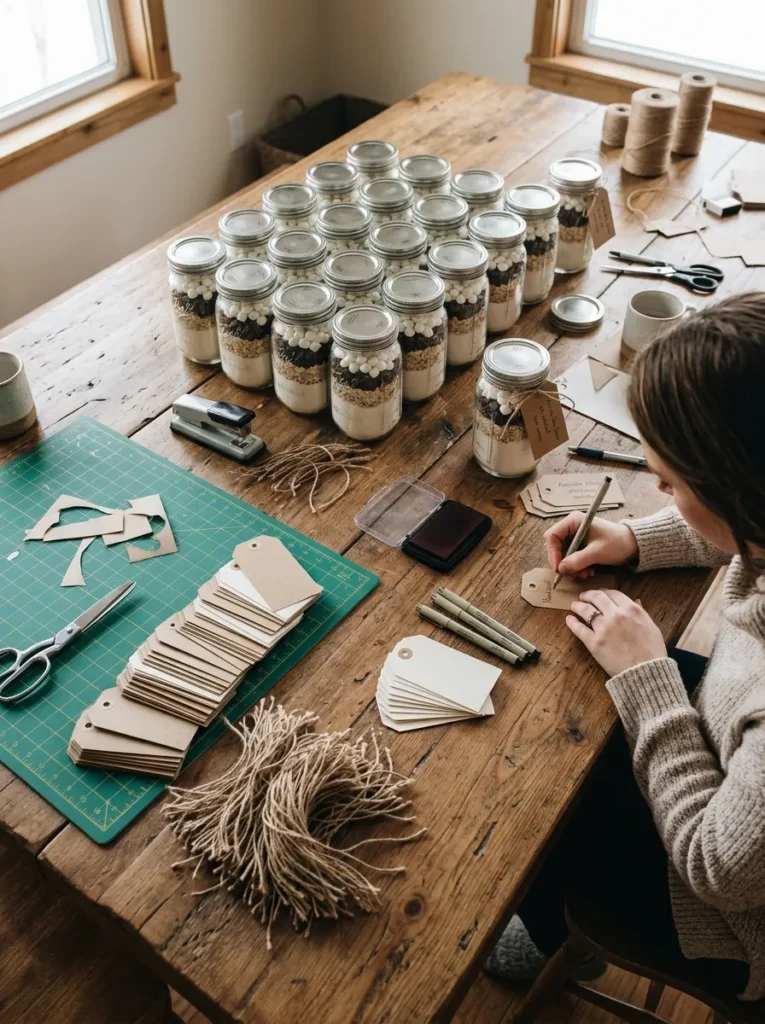
A jar of cocoa mix is the classic office gift, because everyone drinks something warm at a desk. You layer dry ingredients in a jar, tie on a tag with directions, and you’re done in about 15 minutes per jar.
Mix note: A common ratio is about 1/2 cup of powdered milk, 1/4 cup of cocoa powder, 1/3 cup of sugar, and a small handful of mini marshmallows or chocolate chips per half-pint jar. Layer them carefully, and pack each layer firmly. Test one mix in a mug first, and adjust the sweetness to taste. Keep everything dry, since moisture makes the mix clump.
Label tip: List every ingredient and flag milk, soy, and any nuts if you add them. Write the directions on the tag, such as “stir 3 tablespoons into hot milk or water.” Suggest using it within a few months. It suits almost any team, though check for lactose or dairy needs and offer a dairy-free option if you can.
Shop This Look
Covered Notebooks for Desk Notes
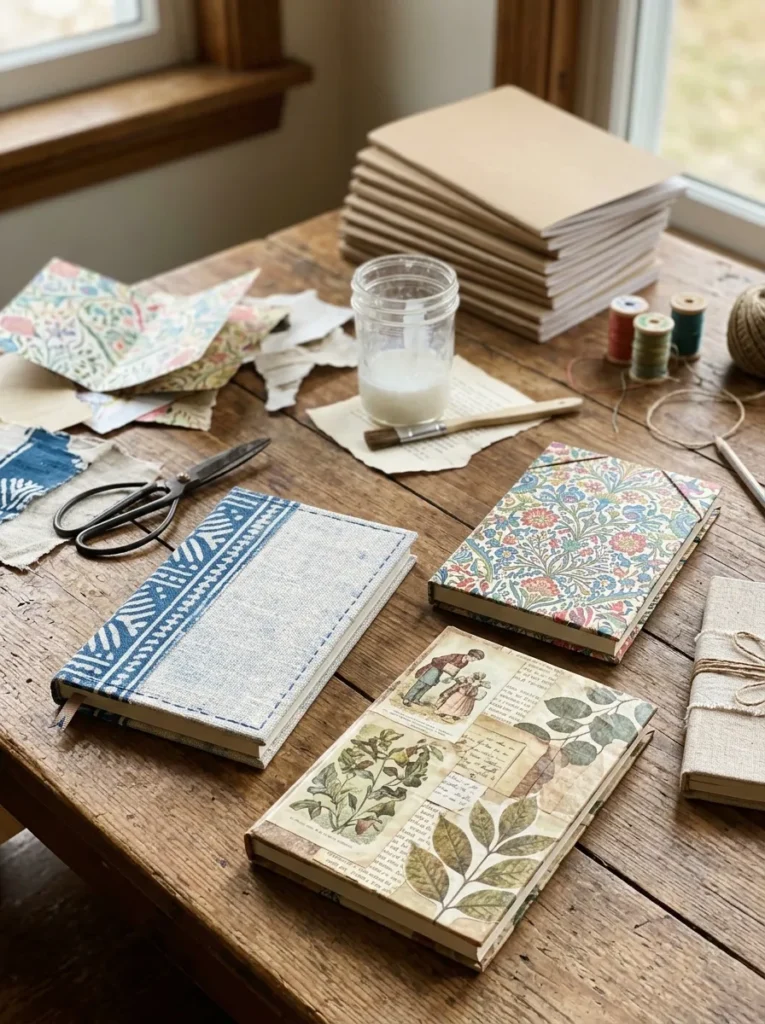
A plain notebook covered with fabric, patterned paper, or decoupage looks custom and gets used every day. It’s a safe gift for almost any job, and the cost per notebook is low when you buy blank ones in bulk.
Cover note: Cut paper or fabric about an inch larger than the cover on every side. Brush a thin coat of decoupage medium on the cover, press the paper on from the center outward, and fold the edges in. Smooth out bubbles with a ruler. Add a thin topcoat and let it dry for a few hours before closing.
Finish tip: Add a small ribbon bookmark and the person’s initial on the front, if you want. Keep the design plain and professional. Let the cover cure overnight, so pages don’t stick. It suits any coworker who takes notes, which is most of them.
Shop This Look
Painted Desk Plants in Small Pots

A small plant in a painted pot brightens a desk, and it’s an easy batch project. Choose hardy plants that handle office light, such as pothos, snake plant, or ZZ plant. They survive low light and irregular watering.
Pot note: Use terracotta pots about 3 to 4 inches wide, with a drainage hole and a saucer. Paint the outside with acrylic paint, let it dry, and seal it with a clear matte sealer. Plant after the paint cures, so you don’t smudge it. Water lightly after planting.
Care tip: Attach a small tag with care instructions, such as “water every one to two weeks.” Check that pets and people at home aren’t affected, since some plants, including pothos, are toxic to cats and dogs if eaten. Mention it on the tag. It suits coworkers who like plants or have a bare desk.
Shop This Look
Hand-Lettered Mugs With Porcelain Markers
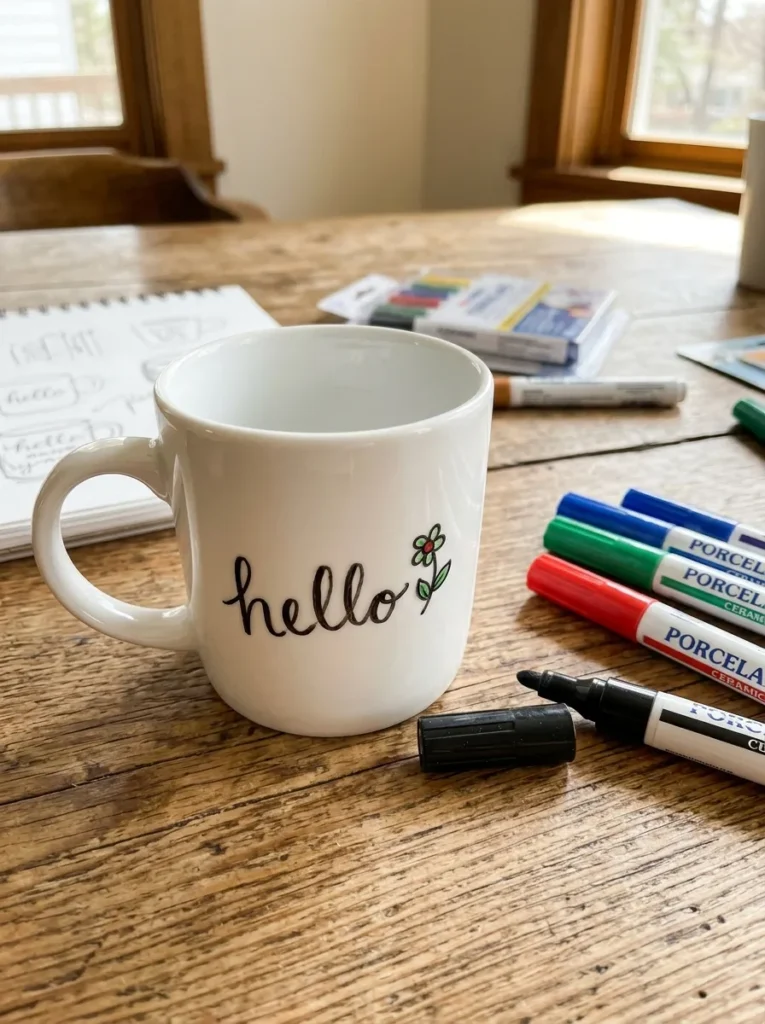
A plain white mug with a short word or a small design looks personal and costs very little. Oil-based porcelain markers draw on ceramic, and baking sets the design.
Draw note: Wipe the mug with rubbing alcohol, draw your design on the outside only, and keep it below the lip, where the mug touches the mouth. Follow the marker’s instructions for baking, which is often around 30 minutes at a moderate oven temperature. Let it cool in the oven. Test on a spare mug first.
Care tip: Hand-washing keeps the design longer, and the marker’s label may advise against dishwashers or microwaves. Add a small note on the tag. Keep the design simple, such as a name, a short word, or a pattern. It suits coworkers who drink coffee or tea at their desk.
Shop This Look
Air-Dry Clay Coasters
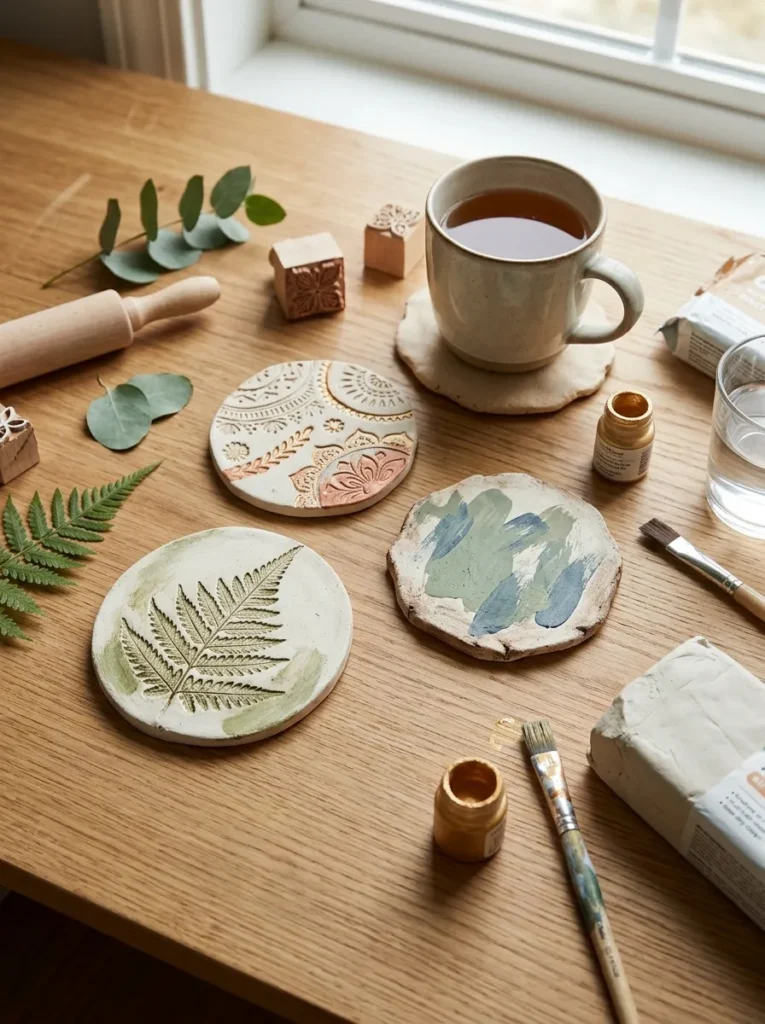
Coasters are practical and look good on any desk. Air-dry clay is cheap and needs no oven, and you can stamp, paint, or press a leaf into it.
Shape note: Roll the clay to about 1/4 inch thick, cut circles about 4 inches wide with a cutter or a jar lid, and smooth the edges with a damp finger. Let them dry on a flat surface for 24 to 48 hours, flipping once. Sand lightly and paint.
Seal tip: Seal both sides with a clear sealer rated for kitchen or tabletop use, and add felt or cork on the bottom to protect desks. Air-dry clay is not waterproof, so tell the recipient to wipe it dry and avoid soaking. It suits coworkers who drink at their desk.
Shop This Look
Unscented Hand Balm in a Tin

Office air is dry, and a small tin of hand balm gets used. Beeswax, shea butter, and a plain oil melt together, pour into tins, and set in an hour. It takes about 30 minutes for a batch.
Mix note: A common simple ratio is equal parts by weight of beeswax, shea butter, and a plain oil like sweet almond or coconut. Melt in a heatproof jar set in a pot of simmering water, pour into tins, and let it cool. Test a small amount on your own skin first.
Allergy tip: Skin products can cause reactions, so label the ingredients, and keep it unscented to avoid bothering coworkers. Avoid nut oils if you’re unsure about allergies, and use a different oil. Don’t claim it treats any skin condition. It suits coworkers who type all day or work in cold buildings.
Shop This Look
Stamped Cotton Tote Bags
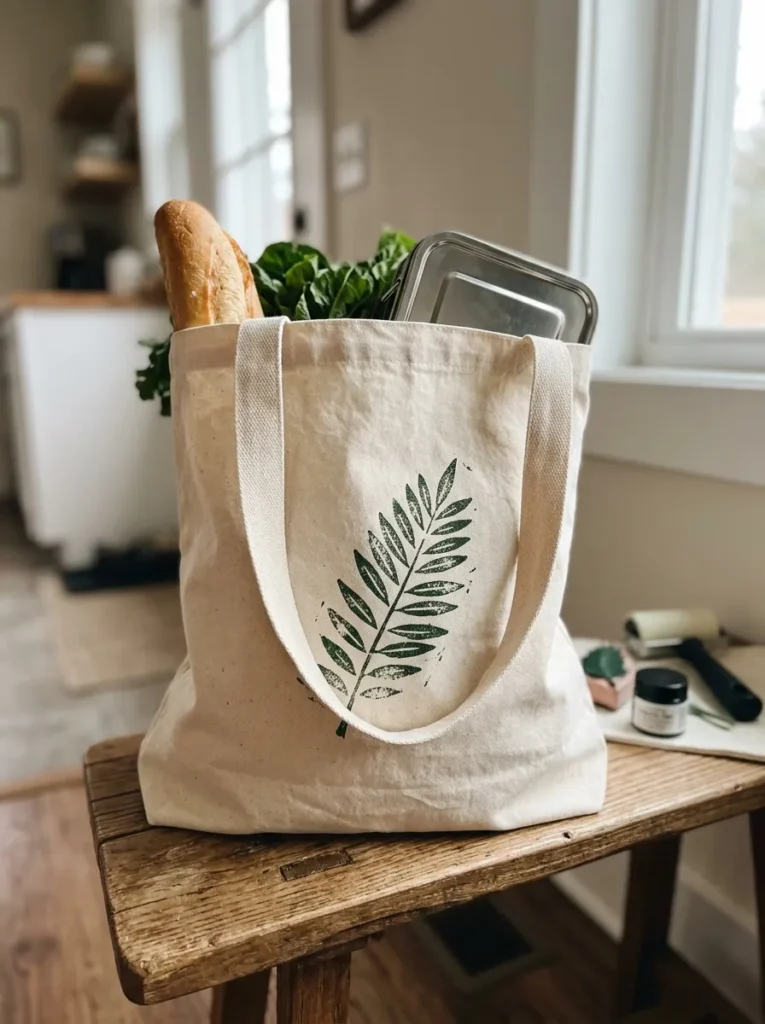
A plain cotton tote with a simple stamp or stencil is useful for lunches, groceries, and commuting. It’s easy to make in a batch, and each bag costs only a few dollars.
Print note: Wash the tote first to remove sizing, then iron it flat. Place cardboard inside to stop ink bleeding through, apply fabric paint to a stamp, and press firmly. Let the bag dry, then heat-set with an iron as the paint’s directions say. Test on a scrap piece.
Design tip: Choose a simple shape, like a leaf, a star, or a small initial, and keep the placement even. Use one color, so it looks neat. Add a tag with washing instructions. It suits coworkers who carry lunch or a laptop.
Shop This Look
Felt Cord Wraps and Desk Organizers
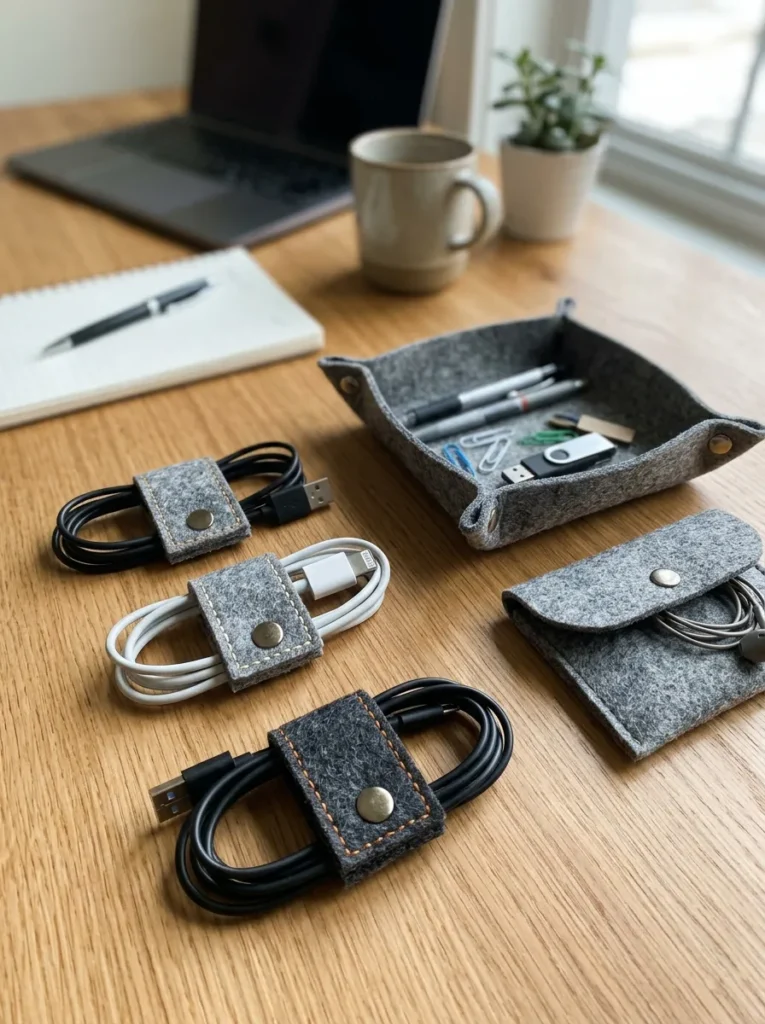
Felt cord wraps keep charger cables tidy, and they’re quick to cut and stitch or glue. A matching small pouch or tray for desk items makes a neat set.
Cut note: Cut felt strips about 2 inches wide and 8 inches long, add a snap or a piece of Velcro on the ends, and trim the corners round. Use glue or a few simple stitches. A set of three in different colors looks good together.
Pack tip: Roll the cord wraps in a bundle and tie with twine, with a short note explaining how to use them. Keep colors neutral, such as gray, navy, and cream. They need no outlet and take up no space, so they suit any desk and almost any coworker.
Shop This Look
Spiced Granola or Nut Mix Jars
A jar of granola makes a good snack for the desk drawer. It keeps for a couple of weeks in an airtight container, and it’s easy to scale up for a team. Nuts are a common allergen, so decide early whether to use them.
Bake note: A simple mix uses rolled oats, a little oil, honey or maple syrup, and cinnamon, baked at a low temperature, around 300°F, for 25 to 35 minutes, stirring halfway. Cool it fully before jarring, or condensation spoils it. Add dried fruit after baking.
Label tip: List every ingredient and flag nuts, gluten, and honey, and add the date. Consider making a nut-free batch and labeling it clearly. Keep it sealed in a clean, dry jar. It suits coworkers who snack at their desk, as long as you’ve checked for allergies.
Shop This Look
No-Sew Fleece Lap Blankets

Many offices run cold, and a small fleece blanket is useful at a desk. A no-sew version uses two layers of fleece cut and knotted at the edges, and it takes about an hour each.
Cut note: Cut two pieces of fleece about 40 by 50 inches, stack them, and cut 4-inch fringe strips about an inch wide around all four edges. Tie each pair of strips in a double knot. Wash and dry the fleece first to avoid shrinking later. Choose a solid color for a professional look.
Wrap tip: Roll the blanket and tie it with a ribbon and a tag. Fleece is not flame resistant, so remind people to keep it away from space heaters. It suits coworkers who sit near vents or windows, and it makes a good gift for an office with a strong air conditioner.
Shop This Look
Hand-Lettered Desk Quote in a Frame

A short, positive line in a small frame brightens a desk. Choose something neutral and kind, such as a line about teamwork or a calm day, and write it neatly. It’s quick, and it costs only the frame.
Letter note: Use a fine-tip pen or a paint pen on heavy paper or cardstock, and sketch light pencil lines first so the text stays straight. Keep it to one short line, and pick a font style you can write evenly. Practice on scrap paper.
Frame tip: Use a 4 by 6 or 5 by 7 inch frame with a stand, so it fits a desk. Avoid inside jokes or lines that could be misread. Keep the tone positive and professional. It suits coworkers who like small touches, and it works for a whole team.
Shop This Look
How to Start
Start by listing your recipients and checking the rules. Count how many people you’re giving to, note any allergies or dietary needs you know, and check your workplace gift limit. A list takes ten minutes and saves you from buying the wrong amounts.
Then pick one project you can do in bulk, and make a test piece. Check the cost, the time, and how it looks. Adjust before you buy supplies for the full batch.
Three things under $20 get most of these projects going: a pack of half-pint jars or tins, a bundle of kraft tags with twine, and a roll of ribbon or washi tape. Prices vary by brand and size, so check the quantity first.
For timing, start about two weeks before the date. Plan an evening for making, a day or two for drying or curing, and an evening for labeling and wrapping. For budget, most gifts cost $3 to $12 each, depending on the project and the batch size. Buy supplies in bulk to cut the cost per gift.
Shop This Look
Common Mistakes
Most problems with coworker gifts come from the same few habits.
Ignoring Allergies: Nuts, dairy, gluten, and fragrance can cause real problems. Label food clearly, and keep other items unscented.
Getting Too Personal: A gift that feels intimate can be awkward at work. Stay with neutral, useful items.
Uneven Gifts: Giving a nicer gift to one coworker than another can cause tension. Give similar gifts to the team, and personalize lightly.
Skipping the Policy: Some workplaces limit gifts or ban them to managers or clients. Check before you give.
Rushing the Cure: Sticky paint, damp clay, and tacky sealer ruin a gift. Allow the full drying time.
Overreaching: A complex project that comes out uneven looks worse than a simple one done well. Choose what you can make neatly.
No Labels: A jar with no ingredients or instructions leaves people guessing. Add a tag.
Frequently Asked Questions
What are good handmade gifts for coworkers?
Useful desk items and snacks work best, such as cocoa mix jars, covered notebooks, painted desk plants, clay coasters, and fleece lap blankets. Keep them neutral and easy to use. Check allergies and your workplace gift rules first.
How much should I spend on a coworker gift?
Many offices set a limit, often somewhere between $10 and $25 for an exchange, but it varies. Handmade gifts often cost $3 to $12 each in materials. Check your workplace policy and keep a rough record of spending.
Is it okay to give homemade food to coworkers?
Often yes, if you label the ingredients and flag common allergens, and check any workplace rules on food. Offer a nut-free option when you can. Use clean containers and a made-on date, and avoid products that need refrigeration.
How far ahead should I start making gifts?
About two weeks is a good guide. That leaves time to test a project, make the batch, let paint or clay cure, and label and wrap. Food gifts can be made closer to the date, within a few days to a week.
What handmade gifts should I avoid giving coworkers?
Avoid strongly scented items, candles in offices that ban them, very personal gifts, and food with unlabeled allergens. Skip anything that could be read as a joke about a person. Stay with neutral and useful gifts.
The Finishing Touch
When your gifts are finished, set them out together in good light before you wrap. Check four things: whether each one looks neat, whether the labels are clear, whether the allergens are listed, and whether the gifts feel balanced across the team.
If something feels off, fix one thing and look again. A smudged label needs a new one. A tacky coat needs more time. An uneven gift needs a quick redo. Keep going until the set looks right.
Good handmade gifts look easy, but they come from small choices made with care. Pick one project today, make a test piece, and check your workplace gift rules. Save your favorite handmade gift ideas for coworkers to a Pinterest board so you can come back to them when the next occasion comes up.