
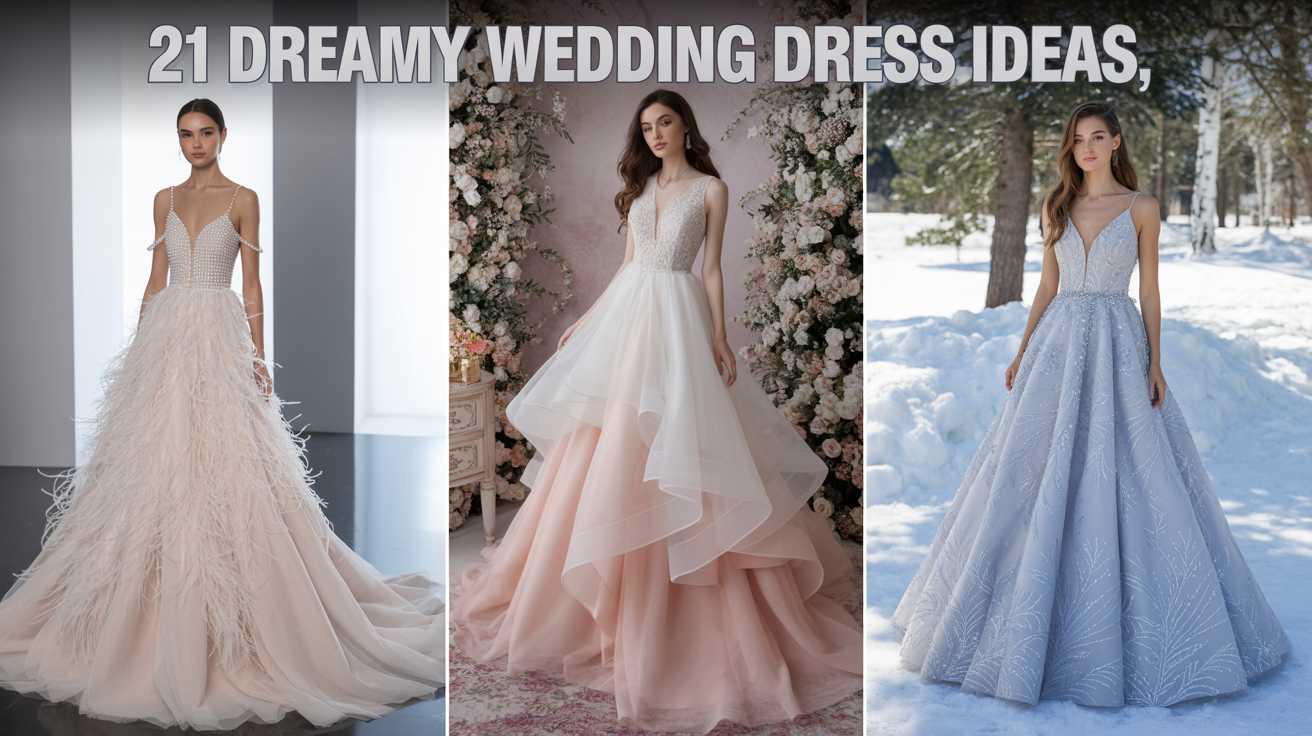
21 Dreamy wedding dress ideas
Wedding dress ideas are the combinations of silhouette, fabric, neckline, sleeves, and train that decide how a dress looks and how it feels to wear for a full day. This article covers what to check before you shop, the principles that matter, and 8 dress styles, with the practical details on fabric, fit, and fitting time for each. The dress itself can cost anywhere from a few hundred dollars to several thousand, so I’ve kept costs general and focused on the add-ons that are easy to price.
The main problem is that photos hide the things that matter on the day. A dress that looks soft in a photo can be heavy in beaded tulle, hot in crepe, or hard to sit in if the skirt is stiff. You’ll stand, walk, sit, hug people, and maybe dance for 8 to 10 hours, so comfort and fit matter as much as the look.
You don’t need all 8 styles. Pick two or three that suit your venue and your body, and try those on first.
Jump To
- What to Check Before You Shop
- The Basic Principles of Choosing a Dress
- Essential Elements
- Fitting and Shopping Techniques
- Wedding Dress Ideas
- How to Start
- Common Mistakes
- Frequently Asked Questions
- The Finishing Touch
What to Check Before You Shop
Start with the venue, the season, and the schedule. A beach, a barn, a church, and a city hall all call for different dresses. A heavy satin ball gown in a hot outdoor July wedding is hard work, and a thin chiffon slip dress in a cold church is uncomfortable. Also think about the ground: grass, sand, and cobblestones are tough on long trains and thin heels.
Then check the timeline. Many designers make dresses to order, and the usual lead time is several months, often 4 to 8 or more, plus time for alterations. Many salons suggest starting to shop 9 to 12 months ahead, though rush orders exist at an extra cost. Ask each salon for the actual delivery time in writing.
Next, check the money. Set a total budget that includes alterations, which are often a real cost, plus a veil, shoes, undergarments, and cleaning or preservation afterward. Ask about deposits, whether they’re refundable, and what happens if a designer closes or a dress is late.
Last, be careful with online sellers. Cheap listings that use designer photos can send a very different dress, or nothing at all. Check reviews from real customers, pay by a method with buyer protection, and keep screenshots of the listing.
Quick Reference
- Best starting point: A list of venue, season, and budget, then try on 3 to 5 different silhouettes
- Biggest impact: Fit, which usually means alterations
- Budget to start: Set your own total, and include alterations and accessories
- Time: Several months for ordering, plus 2 to 3 fittings
The Basic Principles of Choosing a Dress
Fit Before Detail: A dress that fits well looks better than an expensive one that doesn’t. Lace, beading, and trains matter less than a bodice that sits right and a hem at the right length.
Match the Fabric to the Weather: Heavier fabrics like mikado and thick satin hold structure but run warm. Lighter ones like chiffon and organza breathe but wrinkle and show every line.

Think About Movement: Try to sit, climb stairs, lift your arms, and hug someone in the dress. If you can’t, it’ll bother you for hours.
Keep One Focus: A dress with lace sleeves, a beaded bodice, a long train, and a plunging back competes with itself. Choose one or two features, and keep the rest simple.
Plan for Undergarments: The right bra, shapewear, or built-in support changes how a dress fits. Bring them to fittings, so the tailor works with the real shape.
Respect Your Comfort: If you feel self-conscious in a neckline or a fit, change it. You’ll carry that feeling through every photo.
Essential Elements
Every dress is built from these choices.
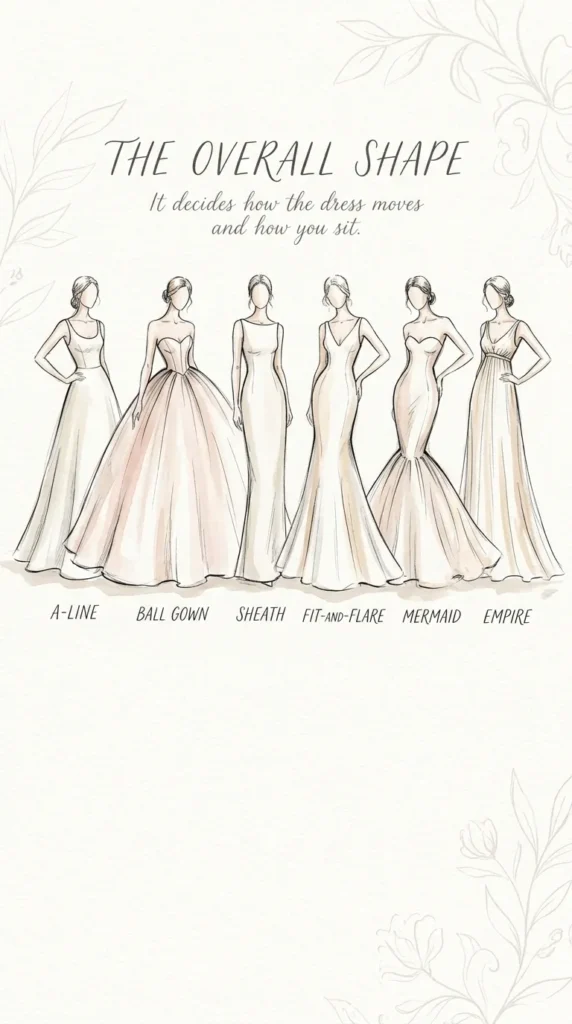
Silhouette: The overall shape: A-line, ball gown, sheath, fit-and-flare, mermaid, or empire. It decides how the dress moves and how you sit.
Fabric: Crepe, satin, mikado, tulle, chiffon, organza, and lace each hang differently. Ask for a swatch to feel and, if possible, to see in daylight.
Neckline: Sweetheart, V-neck, square, bateau, off-the-shoulder, and halter. It frames your face and affects support.
Sleeves and Straps: Long sleeves, cap sleeves, straps, or strapless. Strapless needs a well-boned bodice, so it stays up without tugging.
Train and Hem: A sweep train is short, a chapel train is longer, and a cathedral train is very long. Longer trains look dramatic and need bustling for dancing.
Back Detail: Buttons, a low back, a corset lace-up, or a sheer panel. A lace-up gives some size adjustment, and a zip is simpler.
Shop This Look
Fitting and Shopping Techniques
The Silhouette Sweep: On your first appointment, try on a few very different shapes, such as an A-line, a sheath, and a ball gown, even if you think you know what you like. People often change their minds after seeing themselves in one.
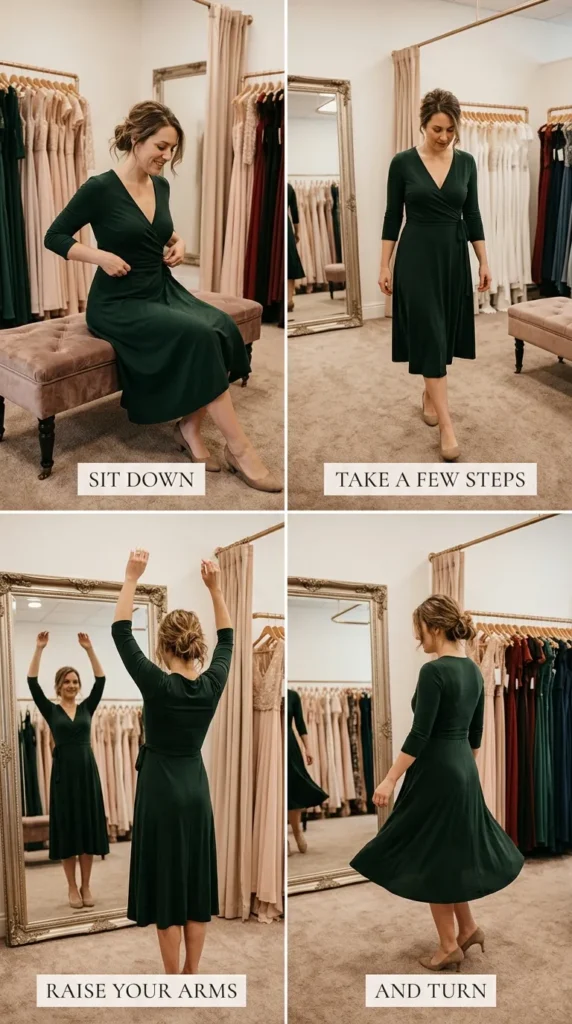
The Sit and Move Test: In every dress you like, sit down, take a few steps, raise your arms, and turn. Check that it doesn’t pull, slip, or restrict breathing.
The Daylight Check: If the salon has a window or a door to the outside, look at the dress in natural light. Ivory, white, champagne, and blush read differently under shop lights.
The Fitting Order: Alterations usually happen in stages, with a first fitting for the main changes, a second for fine adjustments, and a final one close to the date with your shoes and undergarments. Ask the seamstress for her timeline.
The Bustle Practice: If the dress has a train, learn how to bustle it, and ask your maid of honor or a family member to practice before the wedding.
The Steam and Store Plan: Decide who will steam the dress and where it will hang, since long dresses crease in bags and cars.
Wedding Dress Ideas
A Clean A-Line Dress in Crepe or Satin

An A-line dress fits through the bodice and flares gently from the waist, and it’s one of the easiest wedding dress ideas to wear. It moves well, suits many body shapes, and works from a courthouse to a ballroom.
Fabric note: Crepe has a smooth, matte look and a bit of weight, and satin is glossier and shows creases more. Both can feel warm in summer heat, so ask about lining and breathability. Seams and darts show on plain fabric, so a good fit matters.
Detail tip: Keep the dress simple, and let a veil, jewelry, or a bold back carry the detail. Check that the skirt isn’t so narrow that you can’t step up a stair. It suits weddings in many venues, and it’s easy to alter.
Shop This Look
A Soft Tulle Ball Gown
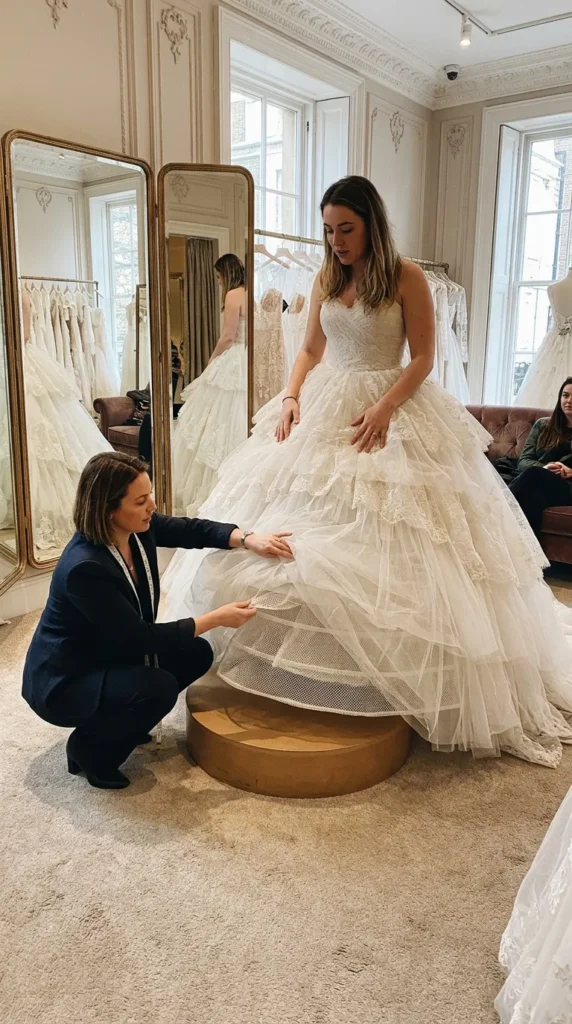
A tulle ball gown has a fitted bodice and a full skirt, with layers that create volume. It photographs well and feels like a classic wedding dress, especially in a large hall or church.
Weight note: A full skirt can need a petticoat or crinoline, which adds weight and heat. Ask how many layers there are, and how heavy the gown is, since a heavy skirt can tire you. Tulle can snag on rough surfaces, so be careful outdoors.
Movement tip: Practice walking in the gown, and check how it fits through doors and in a car. A bustle for dancing helps, and some dresses have a detachable skirt. It suits formal venues with wide floors and plenty of room.
Shop This Look
- Wedding dress bustle hooks and loops, repair kit
- Crinoline petticoat, bridal, hoop
- Lint roller, large
A Sleek Sheath or Column Dress
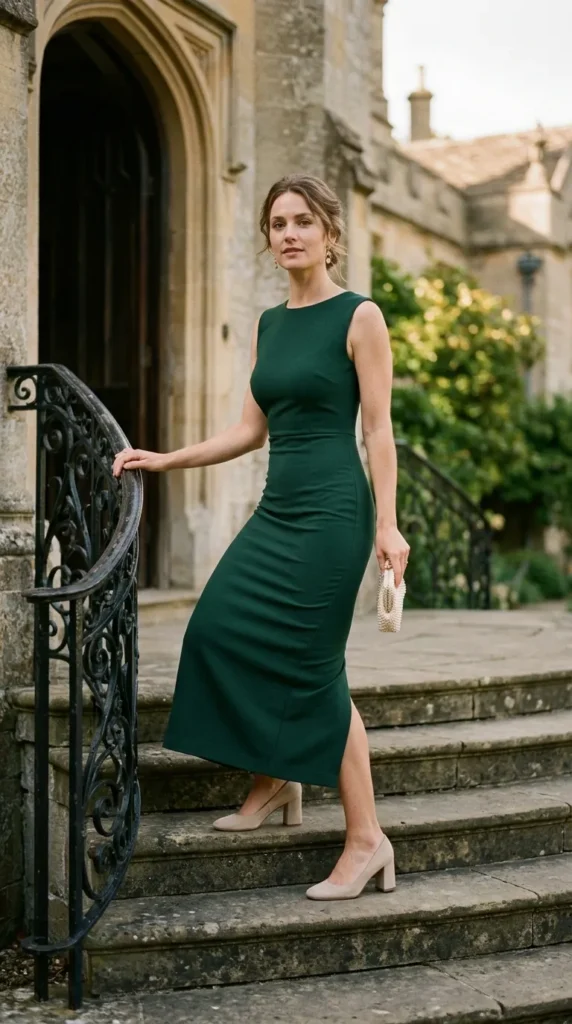
A sheath dress follows the body in a straight line, and it feels modern and minimal. It’s light, simple to wear, and good for city halls, restaurants, and small weddings.
Fit note: Fitted dresses show everything, so the fabric, lining, and undergarments matter. Make sure you can walk and sit, and check that the hem is cut so you can climb stairs. Stretch crepe is more forgiving than stiff satin.
Style tip: Pair it with a statement veil, a cape, or a jacket for a formal ceremony. Because the dress is plain, a well-chosen necklace or hairpiece adds a lot. It suits couples who want a low-key, elegant look.
Shop This Look
A Long-Sleeve Lace Gown
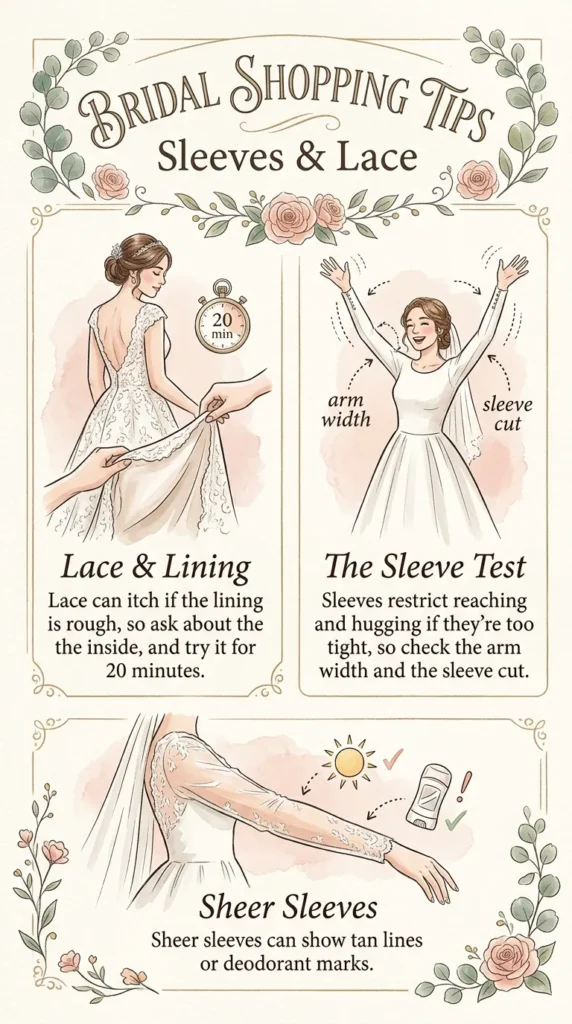
Lace sleeves give a dress a classic, romantic look, and they suit cooler months and church ceremonies. Lace comes in many weights, from fine French lace to heavier cotton types, so texture varies.
Comfort note: Lace can itch if the lining is rough, so ask about the inside, and try it for 20 minutes. Sleeves restrict reaching and hugging if they’re too tight, so check the arm width and the sleeve cut. Sheer sleeves can show tan lines or deodorant marks.
Care tip: Lace snags easily, so avoid rough jewelry and tight bags, and keep a small sewing kit nearby. Dry cleaning is usually needed, so ask a specialist about cleaning. It suits fall, winter, and formal ceremonies.
Shop This Look
An Off-the-Shoulder or Square Neckline Dress
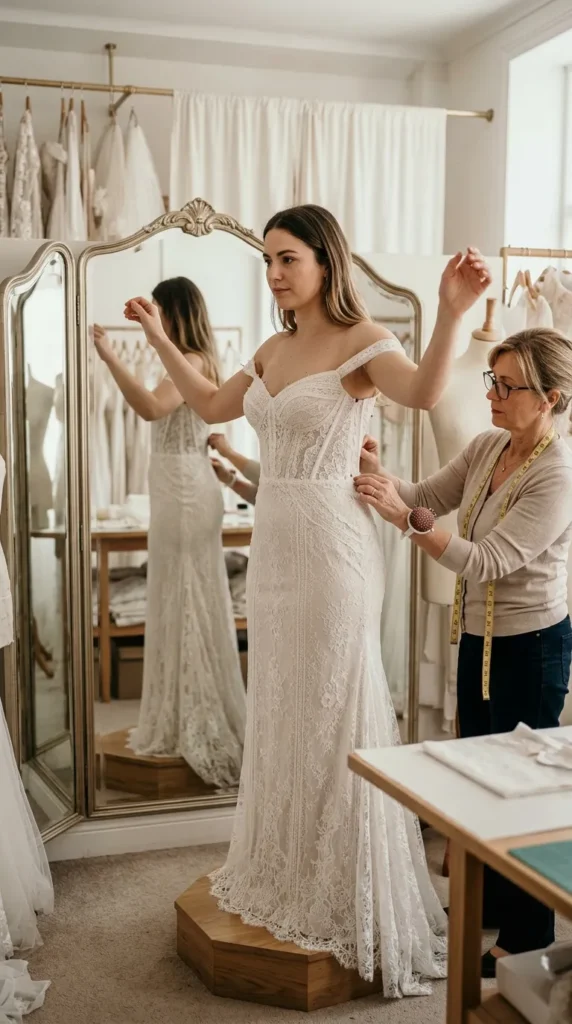
An off-the-shoulder or square neckline frames the collarbones and shoulders, and it suits many body types. It gives a romantic look without the support problems of some strapless styles.
Support note: The neckline relies on fit and boning, so check that it stays in place when you lift your arms. Neckline straps that slip down are common, and a tailor can add small stays. Wear the bra you plan to use on the day.
Photo tip: This neckline suits necklaces less than simple earrings, since it frames the neck itself. Try raising your arms and hugging someone in the fitting room. It suits ceremonies where you’ll move around and take lots of photos.
Shop This Look
A Flowy Chiffon Dress for Outdoor Weddings
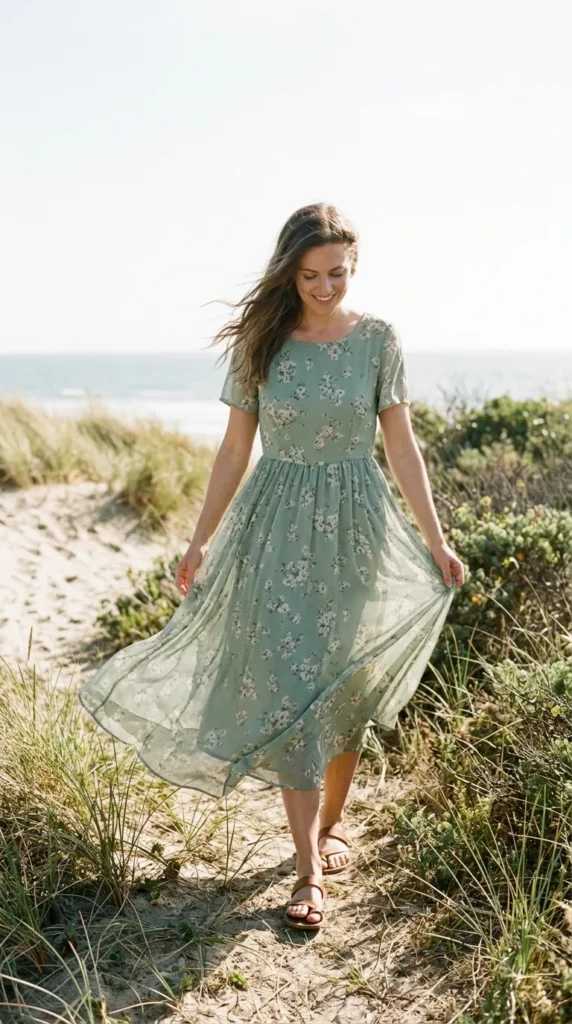
Chiffon is light and moves in a breeze, and it suits beach, garden, and warm-weather weddings. It layers well, and a soft skirt feels relaxed. It tends to be more affordable than heavy fabrics, though prices vary.
Wind note: Chiffon blows around, so choose a hem that won’t tangle with your feet, and consider light weights sewn into the hem. Check that the lining is opaque, since thin layers show through in bright sun. Sand and grass can stain a long hem.
Heat tip: Chiffon breathes better than satin, but sun on a dark-colored fabric still gets hot. Keep a small fan and water close. It suits beach and garden weddings, and daytime ceremonies.
Shop This Look
- Mini portable fan, rechargeable
- Wedding shoe heel protectors for grass
- Flat wedding sandals, comfortable
A Short or Tea-Length Dress for a Small Ceremony

A short or tea-length dress works for courthouse weddings, rehearsal dinners, receptions, and second looks. It’s easy to walk in, and you can wear it again.
Length note: Tea-length ends mid-calf, and a knee-length hem sits at the knee. Check that you can sit, bend, and climb stairs without showing more than you want. Hem length affects how shoes look.
Style tip: A short dress can be fitted, flared, or covered in lace. Choose a veil, hair accessory, or jacket to make it feel bridal. It suits small ceremonies, city weddings, and receptions.
Shop This Look
A Dress With a Detachable Skirt or Overskirt

A detachable skirt lets you change the look between the ceremony and the reception, with a long train for the aisle and a lighter dress for dancing. It’s a practical way to get two looks without buying two dresses.
Fit note: Make sure the connection between the dress and the skirt is secure and flat, and check how you take it off. Try dancing and sitting in both versions. Ask the seamstress to check the waist seam.
Cost tip: An overskirt can add cost, so ask what’s included and how long it takes to make. A removable train is another option. It suits large weddings with a long ceremony and a dance floor.
Shop This Look
How to Start
Start with your venue, your season, and your total budget, and write them on one page. That helps you tell a salon what you need, and it stops you from falling for a dress that doesn’t fit the day.
Next, book a few appointments, 2 or 3 at most, and try on different silhouettes. Take one or two people whose opinion you trust, and bring the shoes and undergarments you plan to wear. Take photos, and take notes on fabric and fit. Wait a day before you decide.
Three things under $100 make the process easier: a breathable garment bag, a handheld steamer, and a pair of gel insoles for fittings. Prices vary by brand, so check the details. For timing, plan to order several months before the date, and book fittings with a seamstress early. Keep receipts and written delivery dates.
Shop This Look
Common Mistakes
Shopping Too Late: Made-to-order dresses and alterations take months. Rushed orders cost more and leave less room for fixes.
Ignoring Alterations: Many dresses need hem, bust, or waist changes, and these add to the cost and the time. Include them in your budget.
Buying From Unverified Sellers: Online copies and cheap listings can send a poor or wrong dress. Check reviews and use payment protection.
Skipping the Sit Test: A dress that looks good standing may be hard to sit or dance in. Test it before you commit.
Too Many Opinions: A big group can confuse the choice. Bring one or two people you trust.
Forgetting Shoes and Undergarments: Hem length and fit depend on them. Bring them to every fitting.
No Plan for Care: A long dress needs steaming, a safe hanger, and cleaning after the wedding. Plan who handles each.
Frequently Asked Questions
How far in advance should I buy a wedding dress?
Many salons suggest starting 9 to 12 months before the wedding, since made-to-order dresses often take several months to arrive, plus time for alterations. Rush orders exist but usually cost more. Ask each salon for a written delivery date.
What wedding dress style suits most body types?
A-line is a common choice, since it fits the bodice and flares gently from the waist. That said, every body is different, so try several silhouettes. The best one is the one you can move in and feel comfortable wearing.
How much do wedding dress alterations cost?
Costs vary a lot by location, the seamstress, and how much work the dress needs. Hems, bust adjustments, and bustles are common, and lace or beaded dresses take more time. Ask for a written estimate, and budget for it.
What fabric is best for a summer wedding dress?
Lighter fabrics like chiffon, organza, and thin crepe breathe better than heavy satin or mikado. Check the lining too, since a thick lining adds heat. Ask the salon about the weight and try the dress on for a while.
The Finishing Touch
Before you order, step back and look at the dress as you’d see it on the day. Check four things: whether you can sit, walk, and lift your arms, whether the fabric suits the weather, whether the total cost fits your budget with alterations, and whether the delivery date leaves time for fittings.
If something feels off, change one thing and look again. A heavy skirt might need a lighter fabric. A tight neckline might need a different cut. A late delivery needs a different salon. Keep going until it settles.
A good wedding dress looks effortless, but it comes from a few careful choices made in the right order. Pick one thing today, write down your venue, season, and budget. Save your favorite wedding dress ideas to a Pinterest board so you can come back to them before your first appointment.
Keep Exploring
- Wedding Veil Ideas for Every Dress Style
- Wedding Dress Shopping Checklist for First Appointments
- Bridal Shoe Ideas You Can Dance In


