18 Dining Room Accent Wall Ideas for Elegant Spaces
Looking to elevate your dining space with style and personality? This guide is packed with 18 dining room accent wall ideas designed to transform ordinary walls into elegant, Pinterest-worthy focal points. Whether your style is modern, rustic, or eclectic, these ideas offer practical inspiration for creating a space that feels curated and inviting. In my experience, the right accent wall can completely change a room’s mood, add depth, and make everyday dining feel special. From bold wallpapers to textured panels and gallery displays, these ideas show how small changes can deliver big visual impact while reflecting your personal taste.
1. Bold Color Block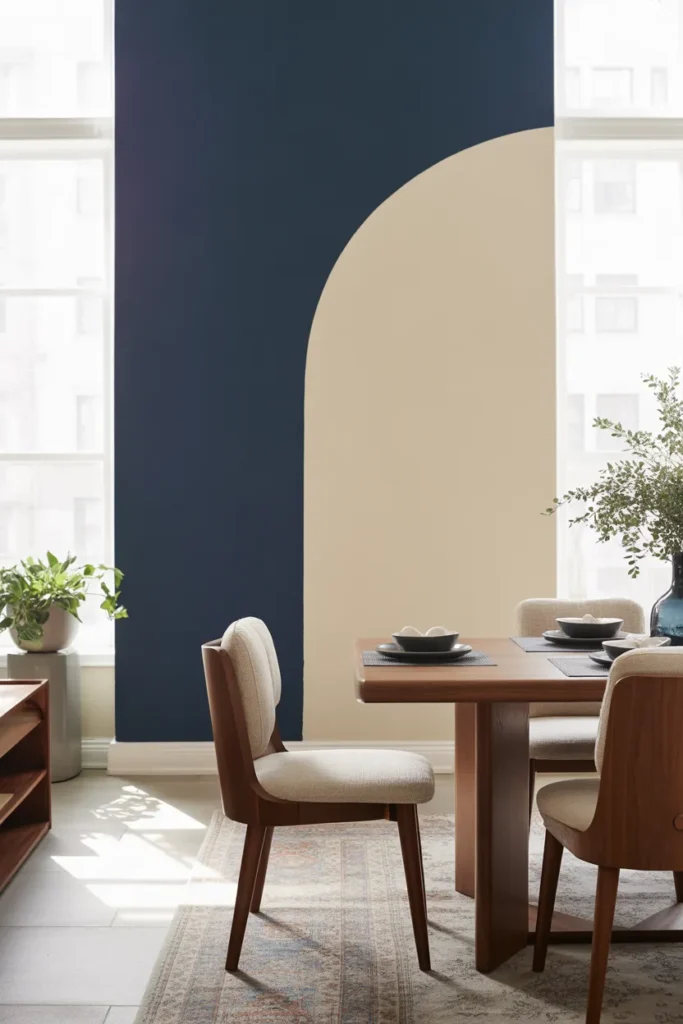
- Adds a dramatic focal point instantly
- Introduces contrast and depth to the space
- Enhances modern design aesthetics
- Makes the dining area visually engaging
A bold color-block accent wall instantly draws attention and creates a strong visual identity for a dining room. I’ve noticed that pairing deep hues with lighter neutrals balances intensity while maintaining elegance. The contrast highlights furniture, artwork, and table decor, making every element pop. Bold blocks are particularly effective in contemporary or minimalist spaces where wall design can elevate the overall aesthetic without overcrowding the room. When done thoughtfully, this technique transforms a plain dining area into a visually engaging and Pinterest-worthy setting.
Beyond visual appeal, color-block walls influence the mood of the space. Darker tones add sophistication, while lighter shades keep the atmosphere airy and inviting. In my experience, using this technique allows flexibility: the bold wall can serve as a backdrop for framed artwork, mirrors, or floating shelves. This creates layers of interest while ensuring the dining area feels cohesive. The result is a space that balances elegance and modernity, making it perfect for everyday meals and entertaining guests.
2. Geometric Panels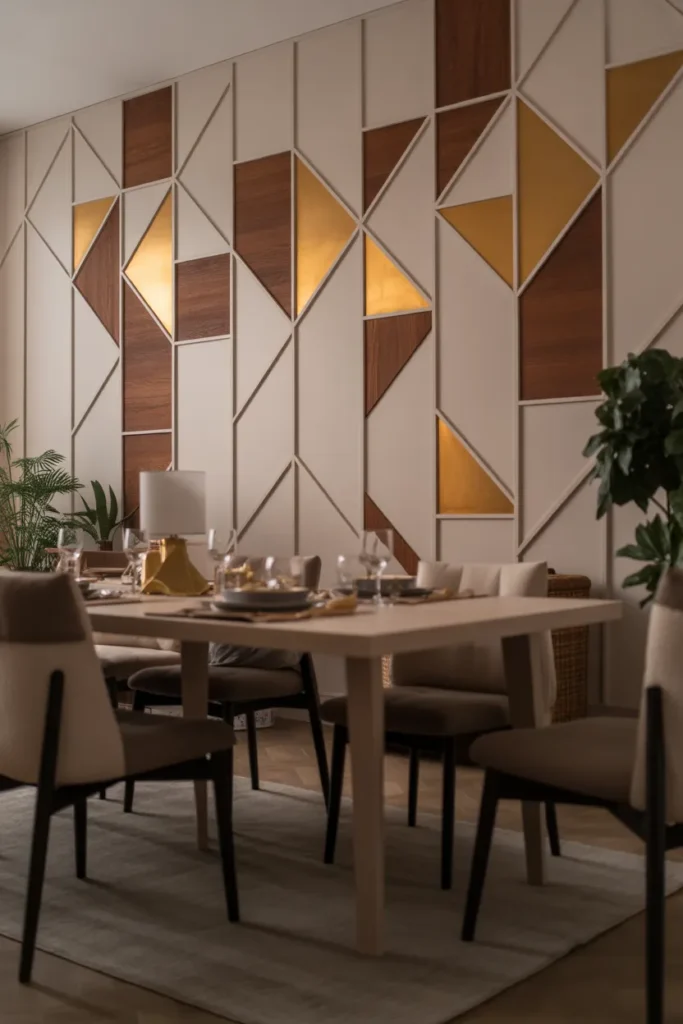
- Creates visual texture and architectural interest
- Adds depth through layering and dimension
- Modernizes the dining space instantly
- Provides a stylish backdrop for furniture
Geometric panel walls bring an architectural edge to any dining room. In my experience, the patterns create a sense of movement that draws the eye across the room. By combining wood and metal, the wall introduces multiple textures that enhance depth and sophistication. This design works especially well in minimalist or modern spaces, where clean lines and structured forms dominate. A geometric accent wall adds interest without clutter, giving the dining room a dynamic yet elegant appearance suitable for both daily use and entertaining.
Another advantage of geometric panels is their versatility. I’ve seen this approach work well with floating shelves, art displays, or lighting features that emphasize the shapes and textures. By layering different materials and finishes, the wall becomes a focal point while harmonizing with furniture and decor. The combination of warm and neutral tones creates balance, making the room feel inviting and visually complete. Overall, geometric panel accent walls enhance style, elevate mood, and make the space Pinterest-ready.
3. Wood Slat Feature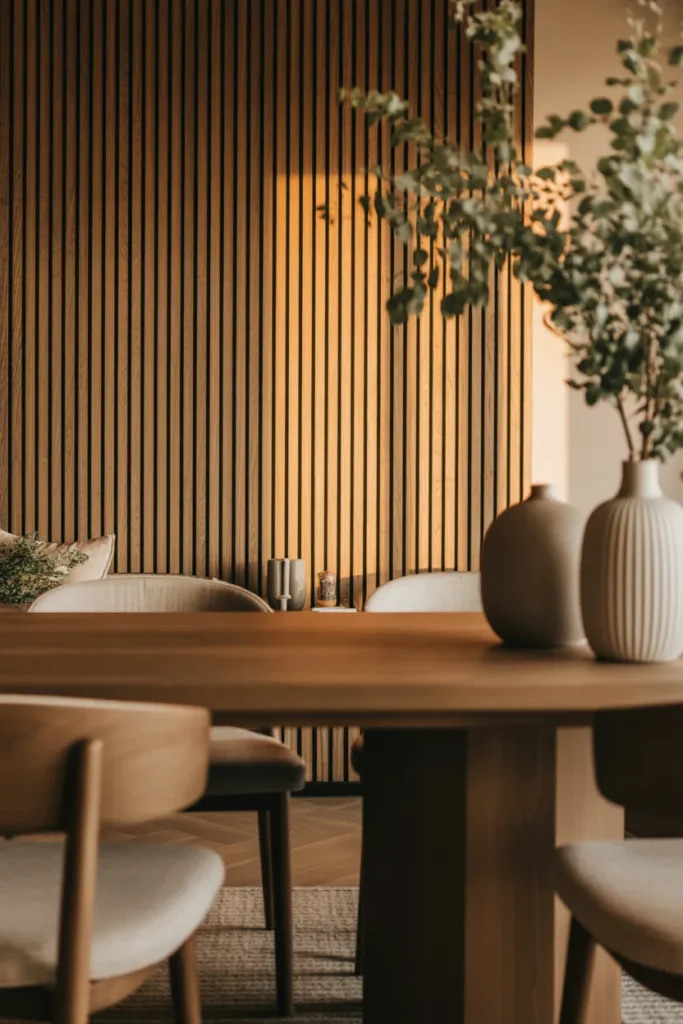
- Adds warmth and natural texture
- Creates vertical height perception
- Blends with modern and Scandinavian styles
- Provides a subtle, stylish focal point
Wood slat accent walls add organic warmth and texture to modern dining rooms. I’ve noticed that vertical slats draw the eye upward, enhancing the perception of height while keeping the space inviting. The natural wood tones contrast beautifully with neutral furniture and décor, making the room feel balanced yet stylish. This approach works particularly well in modern, Scandinavian, or Japandi interiors, where clean lines and natural textures are emphasized. The result is a cozy yet elegant dining space that feels carefully curated and visually appealing.
The versatility of wood slats makes them ideal for pairing with different design elements. In my experience, adding floating shelves, framed art, or subtle lighting along the slats enhances depth and creates a focal point without overpowering the space. The warm tone complements dining tables, chairs, and decorative accessories, producing a harmonious and inviting environment. Overall, a wood slat accent wall elevates a dining room’s sophistication while remaining approachable and Pinterest-ready.
4. Painted Molding Panels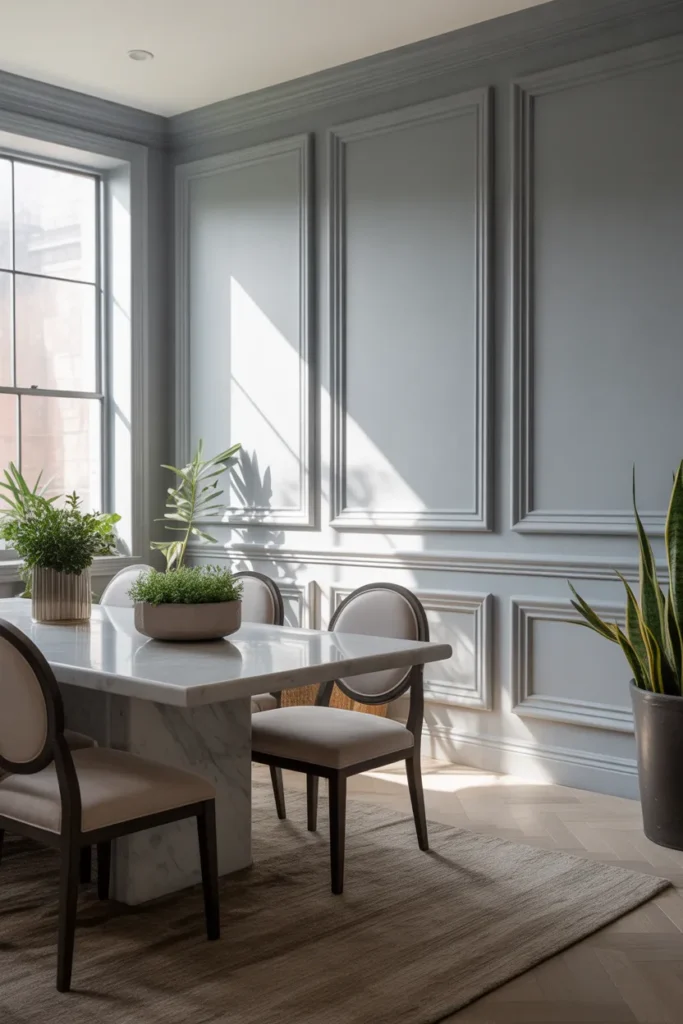
- Adds classic architectural detail
- Enhances depth and sophistication
- Complements modern or traditional interiors
- Creates a subtle yet impactful focal point
Painted molding panels offer timeless elegance and add architectural interest to dining rooms. I’ve noticed that this approach enhances depth without overwhelming the space, making even small dining areas feel polished. The soft neutral colors of the panels create a subtle focal point, which works well with various furniture styles, from classic wooden tables to modern minimalist designs. By emphasizing texture and structure, painted molding panels transform a plain wall into a sophisticated backdrop that feels Pinterest-ready and refined.
One of the key benefits is versatility. In my experience, painted molding panels pair beautifully with artwork, mirrors, or statement lighting, creating layered visual interest. They can also harmonize with different color schemes, providing a flexible design option for evolving interiors. By highlighting furniture and décor against a structured wall, this technique elevates the dining room’s overall aesthetic, creating a balanced, elegant space that is both functional and visually captivating.
Also view: 16 Modern Dining Room Ideas for Elegant Spaces
5. Wallpaper Accent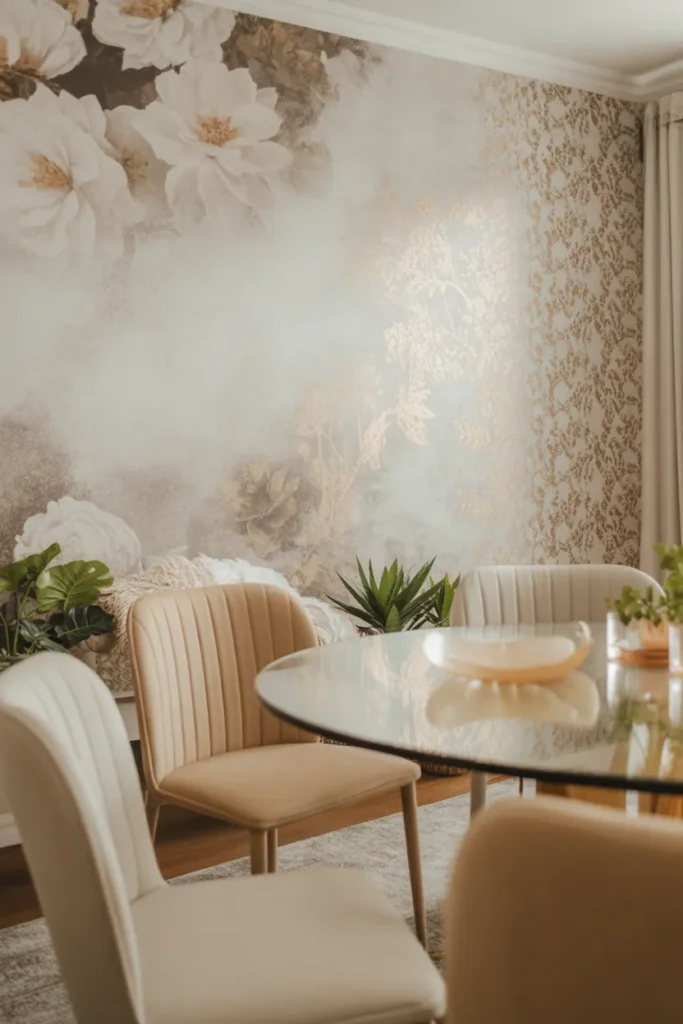
- Introduces pattern and personality
- Enhances visual interest instantly
- Works with modern and eclectic styles
- Complements furniture and décor layers
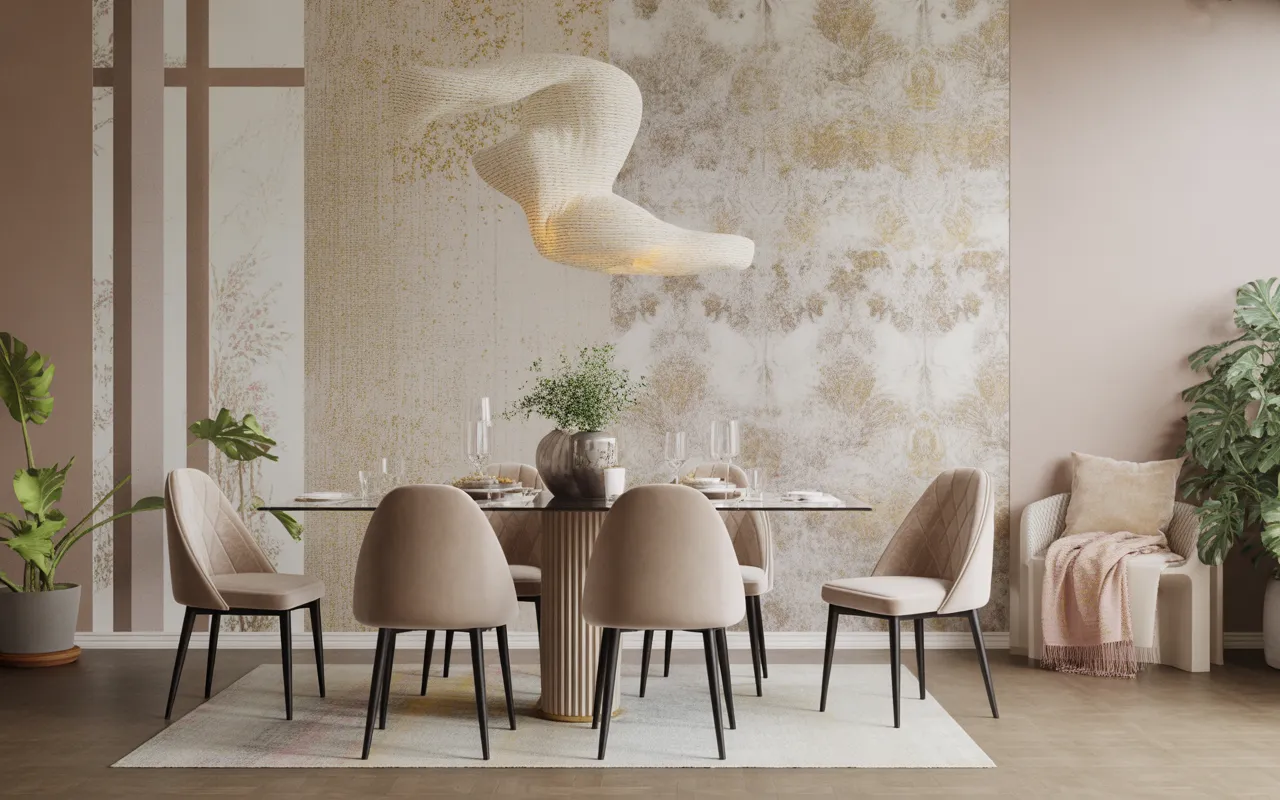
Wallpaper accent walls are a simple yet effective way to elevate dining rooms with personality and pattern. I’ve noticed that combining floral or geometric designs with neutral furniture creates a striking visual balance. Patterns add depth and texture, giving the space a curated, Pinterest-worthy appeal. Wallpaper also allows for bold experimentation with colors or metallic finishes, making a statement without structural changes. This approach works particularly well in modern or eclectic dining rooms, where pattern can complement textures, lighting, and decorative elements, creating a cohesive and stylish environment.
Another advantage of wallpaper is versatility. In my experience, coordinating wallpaper patterns with table décor, artwork, or rugs ties the room together seamlessly. It also allows for a focal point that doesn’t compete with other design elements, providing style without clutter. With thoughtful layering and complementary tones, wallpaper accent walls can transform a dining room into an elegant, inviting space that feels dynamic, Instagram-ready, and visually balanced.
6. Metallic Finish Wall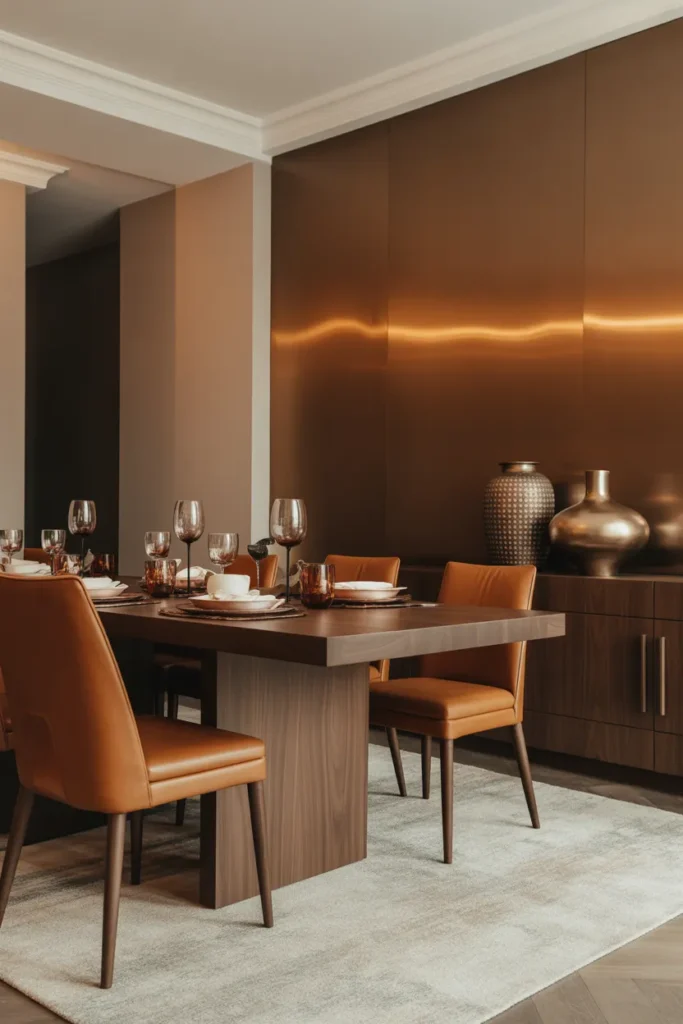
- Adds luxury and reflective elegance
- Enhances light and depth in the room
- Creates a modern, sophisticated focal point
- Complements neutral and warm palettes
Metallic accent walls instantly elevate the elegance of a dining room. I’ve noticed that bronze or gold finishes add warmth while reflecting ambient light, making the space feel luxurious and expansive. This approach works especially well in modern or luxury interiors where subtle glamour is desired. The reflective surface also highlights furniture, décor, and textures, creating a cohesive and Pinterest-worthy look that draws attention and adds sophistication. A metallic wall can be paired with minimalist furniture for a balanced, visually stunning effect.
Beyond aesthetics, metallic finishes enhance mood and atmosphere. In my experience, even subtle metallic sheens bring energy and interest to the space, creating a welcoming yet refined ambiance. Pairing this finish with warm lighting and natural wood furniture produces depth and layering, making the dining area feel curated and stylish. Overall, metallic accent walls combine functionality with high-end visual appeal, transforming an ordinary dining room into a statement-making, elegant space.
7. Wood Paneling Feature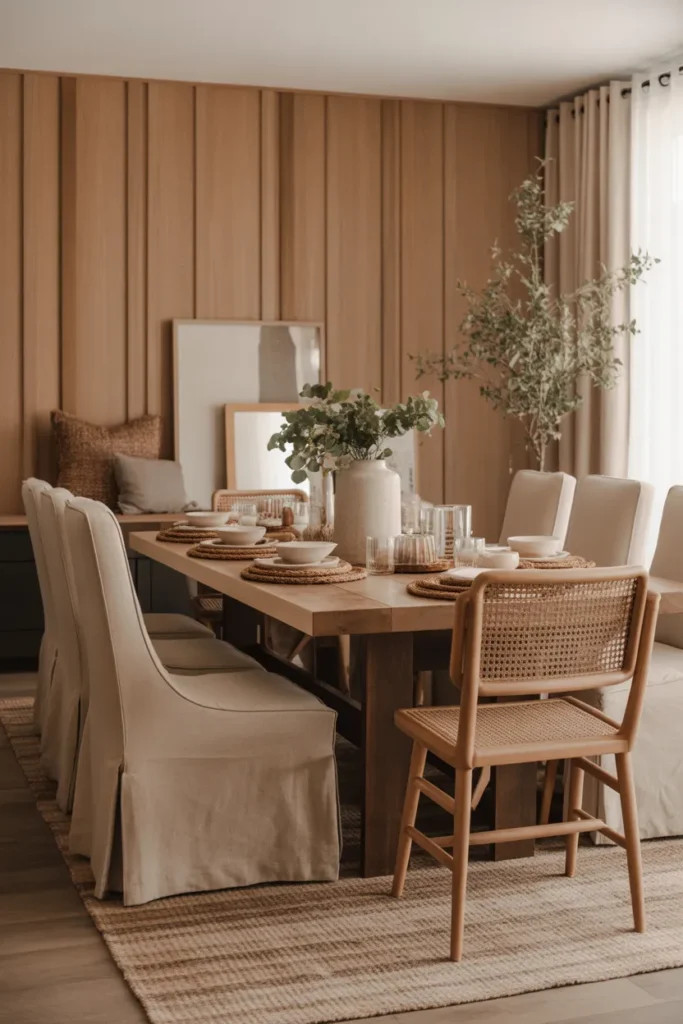
- Brings warmth and texture
- Creates a cozy, inviting atmosphere
- Pairs with modern or rustic décor
- Highlights furniture and decorative accents
Wood paneling adds instant warmth and character to dining rooms. I’ve noticed that vertical or horizontal panels create a visual rhythm that draws the eye, making the room feel structured yet inviting. Natural wood tones work beautifully with neutral furniture and greenery, adding a cozy and layered aesthetic. Wood panels are versatile, allowing for both modern clean lines or rustic farmhouse charm. By introducing texture and warmth, this accent wall transforms the dining area into a Pinterest-worthy space that feels intentional and visually balanced.
Additionally, wood paneling offers design flexibility. In my experience, it pairs well with statement lighting or art, creating a focal point without overpowering the room. The natural textures enhance depth, while varying panel widths or finishes can add unique personality. This approach not only elevates the room’s style but also provides a tactile, visually engaging backdrop that harmonizes with table settings, décor, and overall interior design, making it an elegant, timeless choice.
8. Textured Plaster Wall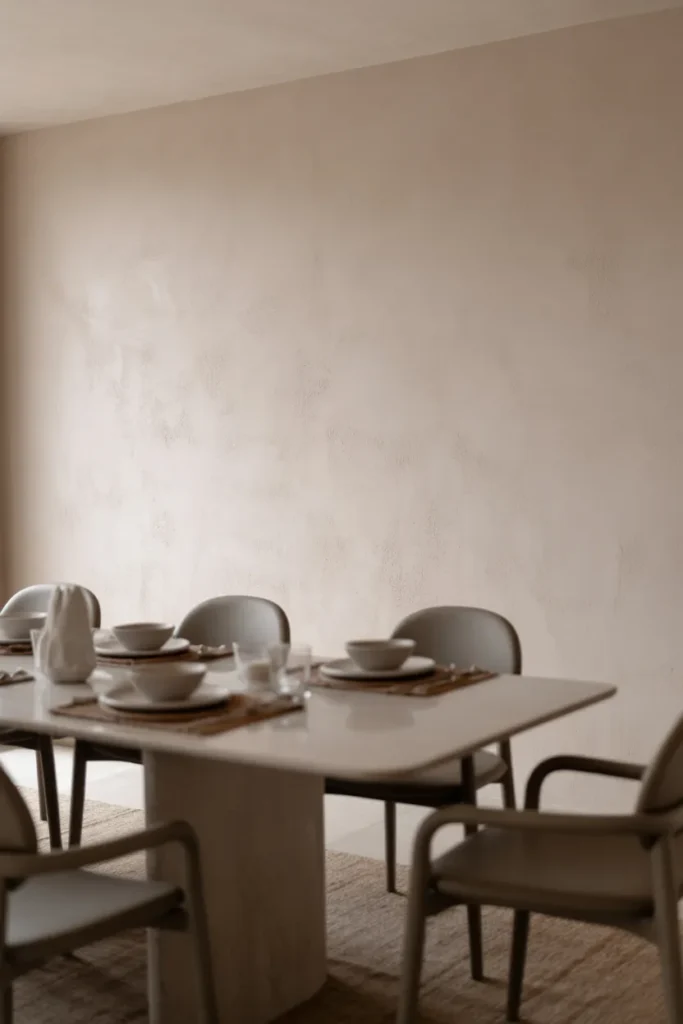
- Adds subtle texture and dimension
- Creates a tactile, visually appealing backdrop
- Works with minimalist or contemporary interiors
- Enhances depth without overpowering
Textured plaster walls are perfect for adding understated elegance to dining rooms. I’ve seen this technique bring a tactile and layered feel to minimalist spaces, where subtle textures create interest without introducing color clutter. The irregularities in the plaster catch light differently throughout the day, making the wall dynamic and engaging. This approach complements modern furniture and décor while maintaining a serene, cohesive environment. By emphasizing depth and surface variation, a plaster accent wall transforms a plain dining room into a refined, Pinterest-ready space that feels artistic yet approachable.
One of the advantages of plaster walls is versatility. In my experience, they pair beautifully with art, mirrors, or lighting fixtures, creating focal points without overwhelming the design. The soft, neutral tones of plaster harmonize with natural materials like wood, stone, or textiles, enhancing the overall ambiance. This subtle but effective texture adds sophistication, making the dining area feel curated, elegant, and visually balanced while still keeping the space inviting and comfortable.
9. Geometric Panel Wall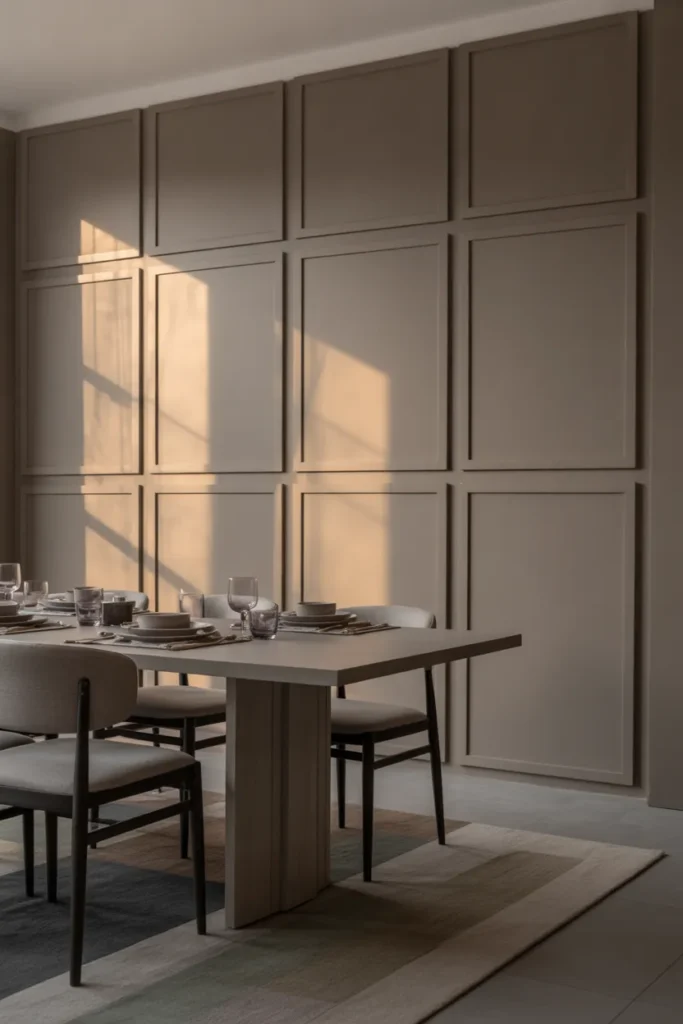
- Introduces dynamic shapes and visual interest
- Creates a modern, artistic focal point
- Works with minimalist or contemporary décor
- Enhances depth and shadow play
Geometric panel walls instantly elevate the style of a dining room. I’ve noticed that the clean lines and repetitive shapes create visual movement, drawing the eye naturally toward the accent wall. This approach adds modern sophistication and works beautifully with neutral tones and contemporary furnishings. By layering shadows and textures, geometric walls provide depth and a Pinterest-worthy aesthetic that feels structured yet creative. They also offer a perfect backdrop for lighting fixtures or table décor, enhancing the overall design cohesion and creating a balanced, elegant dining space.
Beyond aesthetics, geometric walls offer versatility. In my experience, they pair seamlessly with various materials, including wood, metal, or fabric accents, creating layered texture and depth. These panels allow for subtle experimentation with color gradients or metallic finishes to elevate the space further. By introducing pattern, movement, and dimension, geometric panel walls transform ordinary dining rooms into modern, visually compelling spaces that feel curated, stylish, and highly engaging.
10. Bold Color Statement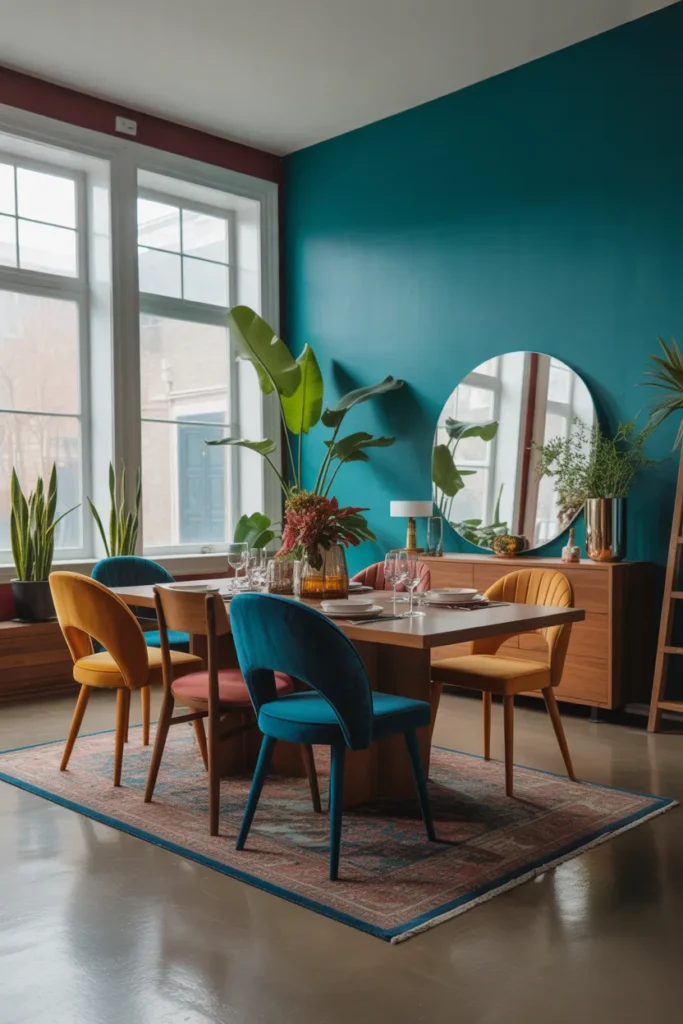
- Creates a dramatic focal point
- Adds personality and energy
- Highlights neutral furniture and décor
- Works well with modern or eclectic styles
Using a bold color for an accent wall is an instant way to energize a dining room. I’ve noticed that vibrant hues like teal, emerald, or mustard can transform a neutral space into a visually striking area. Bold walls naturally draw the eye, creating a central focus that enhances the surrounding furniture and décor. This method works well in modern or eclectic interiors, adding personality without overwhelming the room. By balancing strong colors with subtle tones elsewhere, the accent wall becomes a Pinterest-worthy feature that commands attention while maintaining harmony in the dining space.
Bold color walls also allow creative styling opportunities. In my experience, pairing a vibrant accent with metallic fixtures, layered textures, or patterned décor elevates the room’s sophistication. The color choice can reflect mood—warm tones for cozy spaces, cooler hues for calm elegance. This approach not only defines the dining area visually but also gives it a contemporary, curated feel. It’s a simple yet effective technique to make any dining room feel more dynamic, stylish, and Instagram-ready.
11. Wallpaper Pattern Feature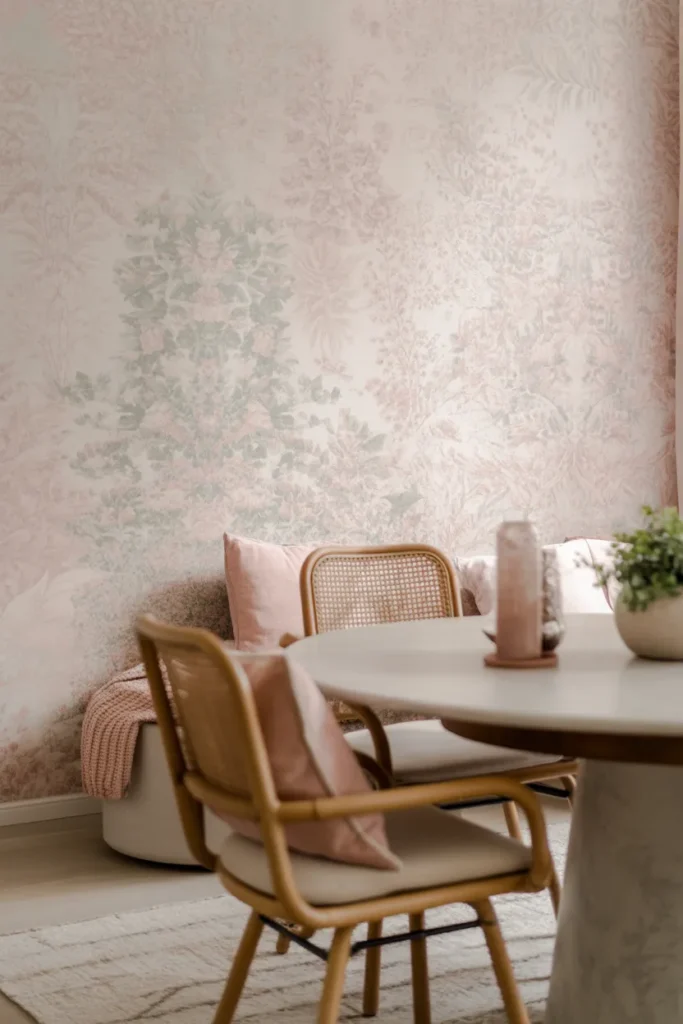
- Adds visual texture and pattern
- Creates a cozy, stylish atmosphere
- Works with both modern and classic décor
- Highlights furniture and décor arrangements
Wallpaper accent walls are perfect for adding pattern and personality to dining rooms. I’ve seen floral, geometric, or textured wallpapers instantly transform a space by providing depth and visual interest. They act as a backdrop that enhances furniture and décor, creating a cohesive, Pinterest-worthy look. Wallpaper allows for experimenting with colors and patterns that reflect personal style, turning a simple dining area into a curated, elegant space. By carefully choosing a design that complements the rest of the room, this approach creates balance while making a memorable visual impact.
Wallpaper also makes styling easier. In my experience, combining patterned walls with neutral furniture and simple décor prevents the space from feeling busy. The accent wall becomes a conversation piece, perfect for layered lighting or statement art. This strategy elevates both small and large dining areas, giving them character, sophistication, and charm. Using wallpaper thoughtfully results in an elegant, Instagram-ready room that looks intentional, stylish, and highly inviting.
12. Mixed Material Panels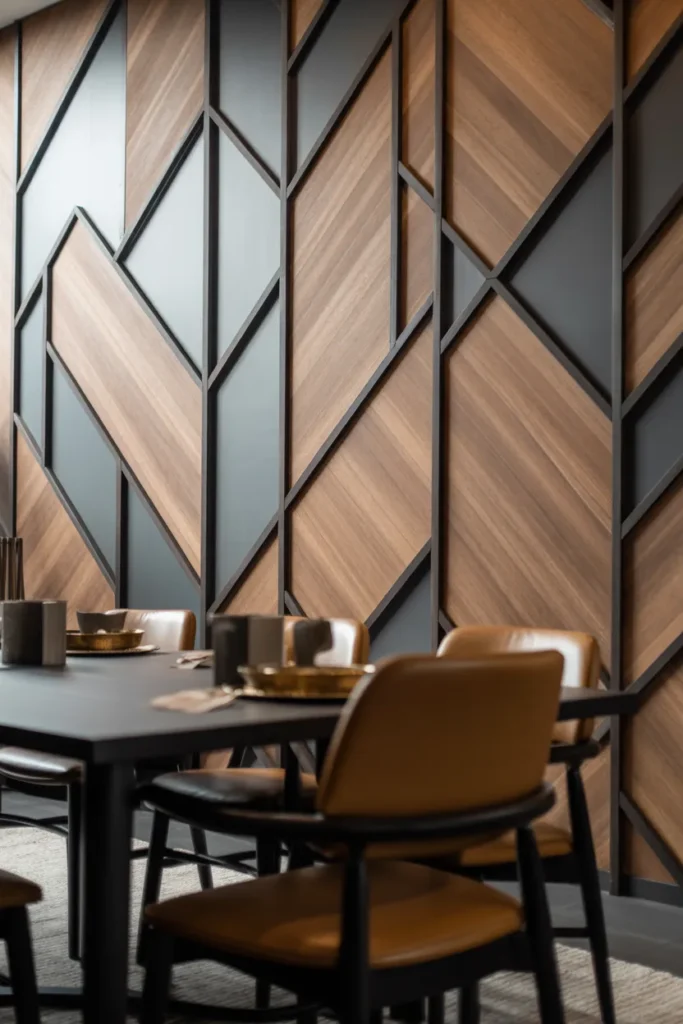
- Combines textures for a modern, layered look
- Adds depth and sophistication
- Creates a high-end focal point
- Works with contemporary and industrial styles
Mixed material accent walls are ideal for creating a luxurious, layered look in dining rooms. I’ve noticed that combining wood, metal, and textured fabrics adds visual depth while providing tactile interest. Each material reflects light differently, giving the wall a dynamic, ever-changing appeal. This approach pairs beautifully with modern furniture and sculptural décor, creating a Pinterest-ready space that feels curated and sophisticated. By mixing materials thoughtfully, the accent wall becomes a central design feature that elevates the entire dining area with style and personality.
Using multiple materials also offers versatility in styling. In my experience, these walls work well with both muted and bold color palettes, as textures themselves provide visual richness. Layered panels allow for subtle patterns or metallic highlights, enhancing the room’s elegance. This method transforms standard dining areas into high-end, visually compelling spaces. With depth, contrast, and sophistication, mixed material accent walls create a striking modern focal point that is both functional and aesthetically inspiring.
13. Geometric Wood Panels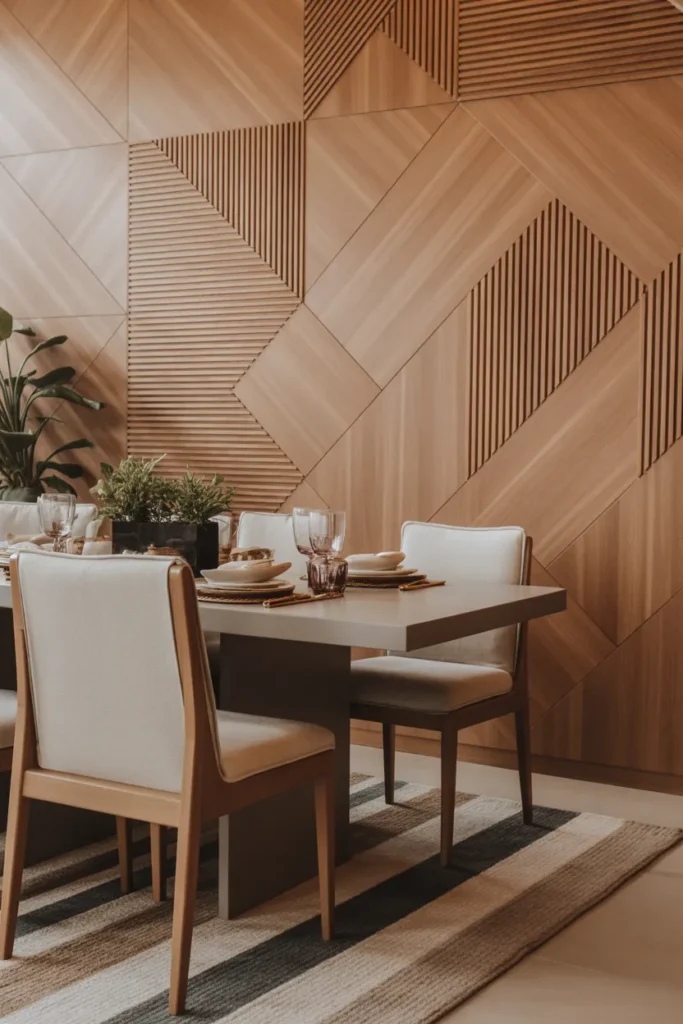
- Adds modern geometric interest
- Brings warmth with natural wood tones
- Works with minimalist and Scandinavian décor
- Creates a structured yet inviting focal point
Geometric wood panel accent walls are perfect for adding both texture and structure to a dining room. I’ve noticed that using natural wood tones in geometric patterns creates warmth while maintaining a modern, clean aesthetic. The panels provide depth and dimension, turning a plain wall into a visually captivating feature. This approach works well in minimalist or Scandinavian interiors, where simplicity meets style. By balancing the wood’s natural tones with neutral furniture and décor, the accent wall becomes a central design element that elevates the overall elegance of the dining space.
Geometric patterns also make styling more dynamic. In my experience, pairing geometric wood panels with soft textiles, layered lighting, or greenery enhances the room’s visual appeal. The wall adds rhythm and movement, subtly guiding the eye while maintaining harmony. It’s a versatile design choice that creates a Pinterest-worthy focal point, making the dining area feel contemporary, inviting, and highly sophisticated. This technique transforms a simple space into an artful, structured, and stylish setting.
14. Textured Plaster Finish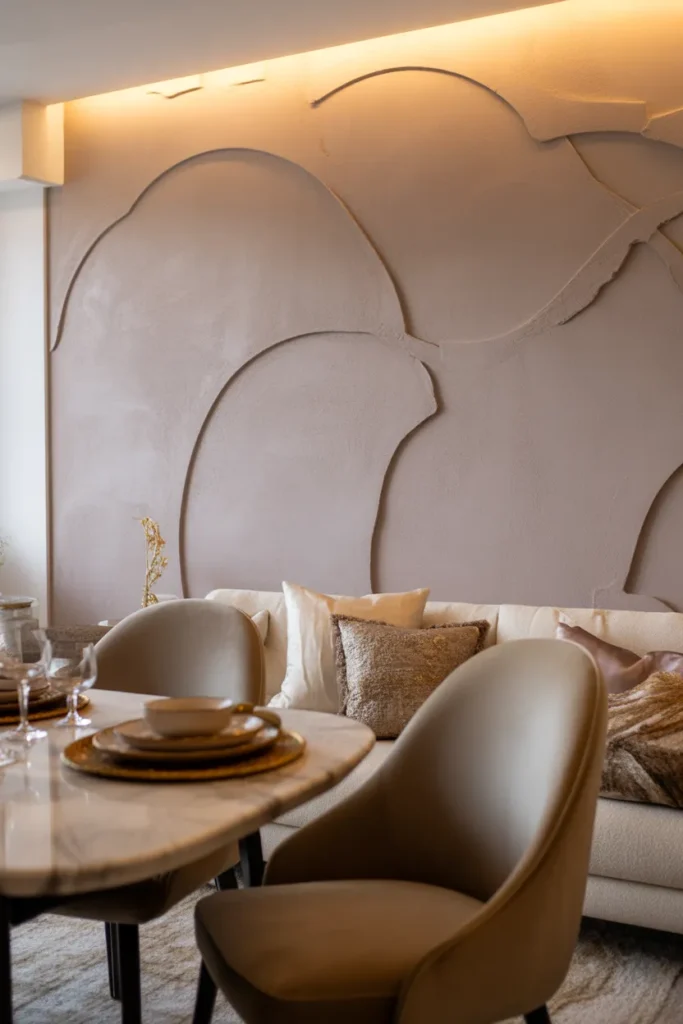
- Creates a subtle, sophisticated texture
- Adds depth without overwhelming the room
- Works with modern, classic, or transitional interiors
- Enhances ambient lighting and mood
Textured plaster walls bring understated elegance to any dining space. I’ve noticed that subtle undulations or plaster finishes add depth without competing with furniture or décor. The texture captures light beautifully, creating shadows and highlights that enhance the room’s ambiance. This type of accent wall works well in modern, classic, or transitional interiors, providing a versatile backdrop for statement lighting or art pieces. By keeping the palette neutral, the textured plaster wall becomes a sophisticated focal point, transforming the dining area into a stylish, Pinterest-worthy space with effortless charm and visual interest.
Textured walls also make styling intuitive. In my experience, pairing a plaster wall with soft textiles, metallic accents, or natural wood furniture amplifies the room’s warmth and elegance. The wall adds quiet sophistication, drawing attention to the overall space without overpowering it. This technique is particularly effective in creating a cozy, inviting dining environment that feels polished and modern. With minimal effort, textured plaster accent walls elevate the dining area’s design and create a memorable, Instagram-ready focal point.
15. Floor-to-Ceiling Paint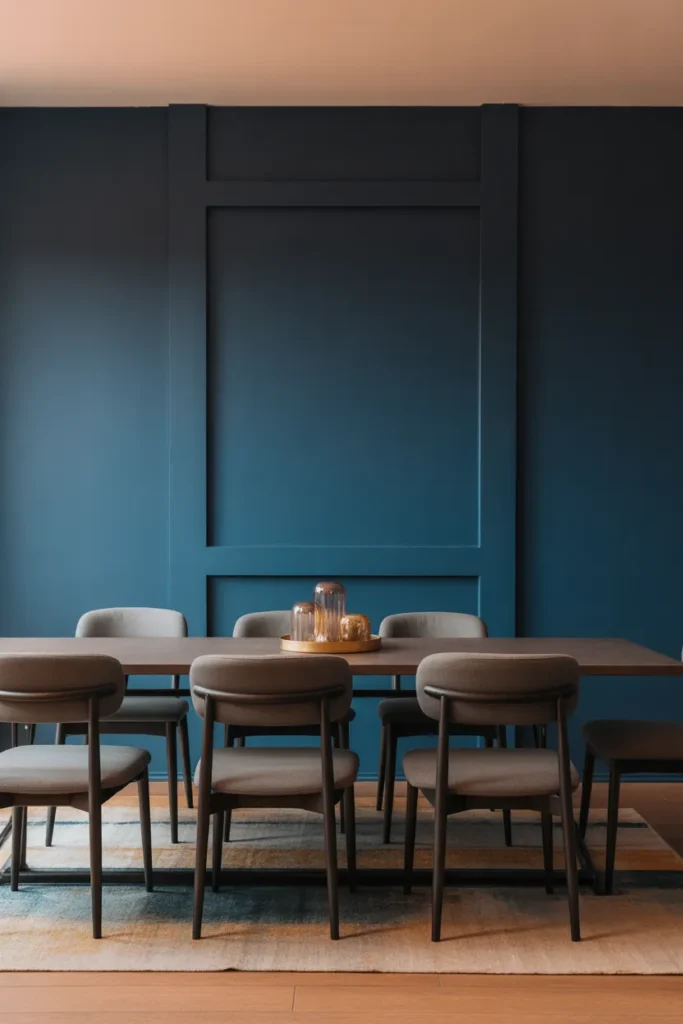
- Creates a bold, seamless look
- Makes the room feel taller and more cohesive
- Works with dramatic or neutral furnishings
- Enhances color impact and visual flow
Floor-to-ceiling painted walls are a bold way to make a dining room feel cohesive and elevated. I’ve seen this approach elongate spaces visually while giving a strong design statement. Using a deep, rich color from floor to ceiling creates a unified backdrop that emphasizes furniture and décor. This technique works well with dramatic, neutral, or metallic accents, allowing other elements in the room to pop against a striking wall. The result is a visually stunning, Pinterest-ready dining area that feels intentional, luxurious, and thoughtfully designed while maintaining balance and sophistication.
Using a full-height accent wall also opens up styling opportunities. In my experience, it pairs beautifully with layered lighting, statement mirrors, or wall-mounted décor. The uninterrupted color field creates visual flow and draws the eye upward, making the room feel taller and more expansive. Floor-to-ceiling paint is an easy yet powerful way to elevate the dining space’s elegance. The bold, cohesive backdrop transforms ordinary walls into modern, Instagram-worthy design statements that inspire and impress.
16. Wallpaper Pattern Play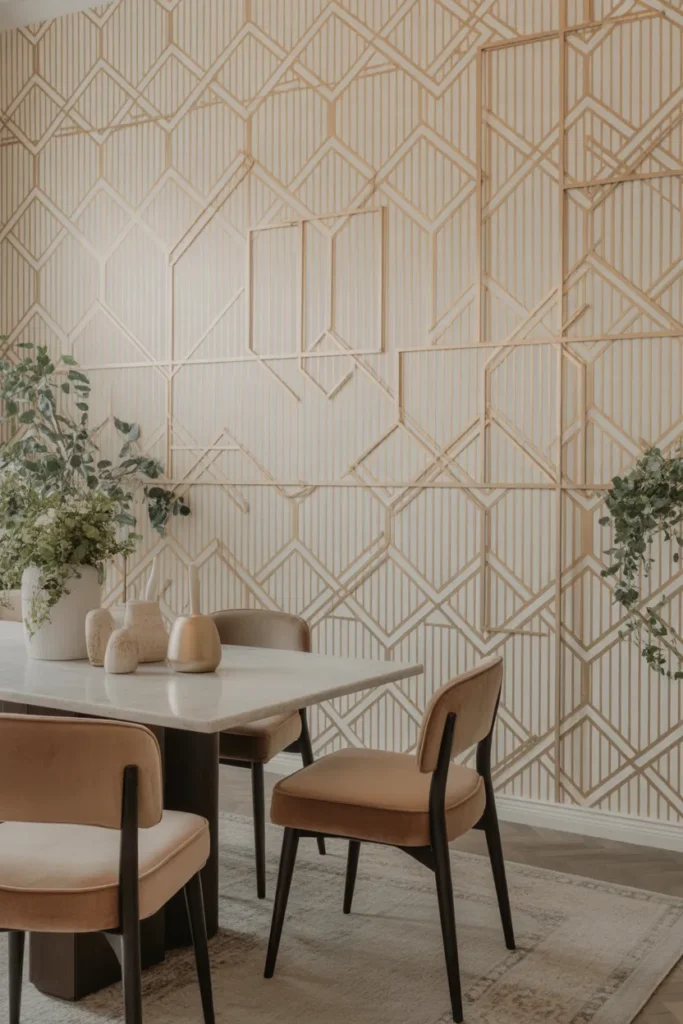
- Adds personality and visual interest
- Works with neutral or colorful décor
- Creates a dynamic, stylish focal point
- Perfect for modern and eclectic interiors
Wallpaper patterns are a fantastic way to inject personality into a dining room without overwhelming the space. I’ve noticed that geometric, floral, or metallic patterns instantly create a visual focal point while complementing surrounding furniture. The right wallpaper adds depth and character, transforming a plain wall into a stylish design feature. Using muted tones or subtle metallics ensures the room remains elegant while still being eye-catching. This approach works in modern, eclectic, or transitional interiors, offering a Pinterest-ready look that balances creativity with sophistication.
Pairing patterned wallpaper with complementary textures enhances the overall effect. In my experience, combining wallpaper with layered rugs, velvet or linen chairs, and simple décor pieces maintains visual harmony. The accent wall becomes a conversation piece while leaving the rest of the space calm and inviting. Wallpaper allows experimentation with color, pattern, and style, turning an ordinary dining area into a modern, visually stunning, and Instagram-worthy space that feels curated and intentional.
17. Mixed Material Panels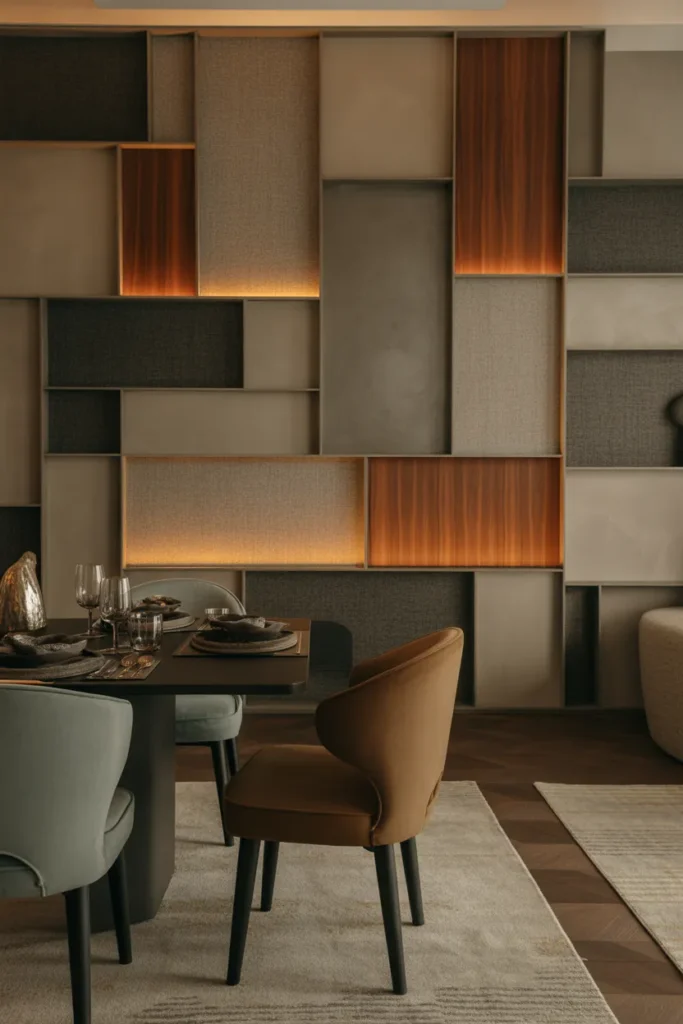
- Combines texture and visual interest
- Highlights craftsmanship and luxury
- Works with modern and industrial interiors
- Adds dimension without clutter
Mixed material panels are an innovative way to create a standout accent wall. I’ve seen how combining wood, metal, or other textures adds richness and dimension, making the wall feel handcrafted and sophisticated. This design approach works particularly well in modern or industrial dining rooms, where texture and detail elevate minimalist surroundings. The wall draws the eye while supporting the overall room palette. Layering materials allows for a tactile, visually engaging feature that transforms a simple dining space into a stylish, Pinterest-ready focal point, balancing elegance with contemporary flair.
The combination of materials also allows for versatile styling. In my experience, pairing panels with subtle décor elements, warm lighting, and natural textures like rugs or plants ensures harmony. The layered textures enhance depth and intrigue, creating a luxurious yet inviting environment. Mixed material accent walls provide a creative opportunity to experiment with color, texture, and layout, making the dining area feel uniquely curated and visually captivating.
18. Art Gallery Wall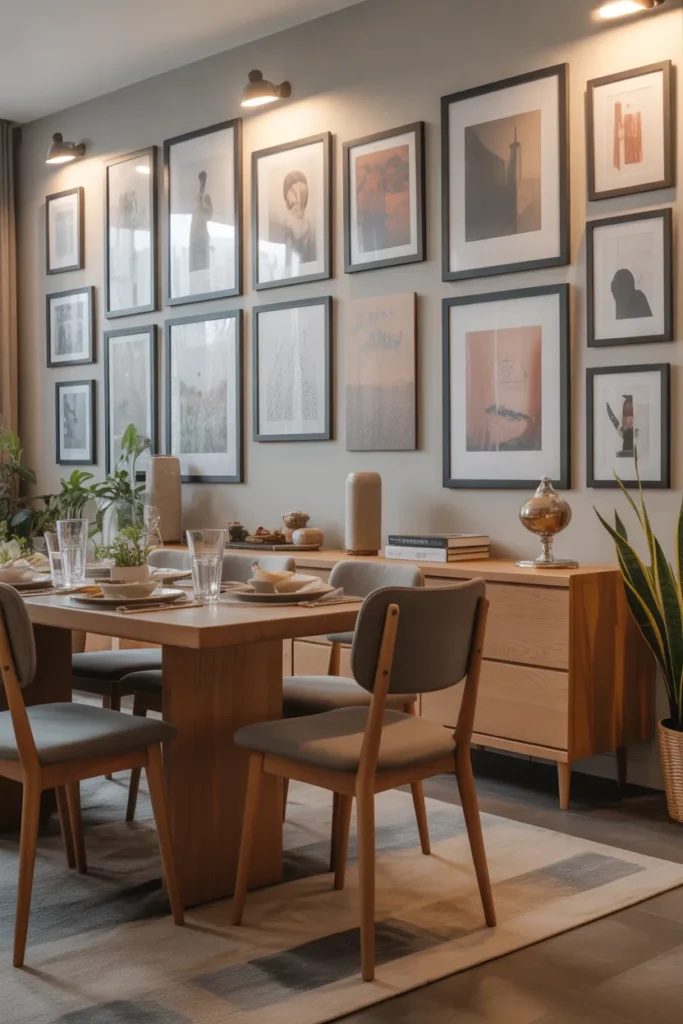
- Turns the wall into a visual showcase
- Highlights personal style and creativity
- Works with modern, eclectic, or transitional spaces
- Creates a dynamic and inviting focal point
Gallery walls bring personality and visual excitement to a dining room. I’ve noticed that arranging art pieces in varying sizes and frames creates a curated, Pinterest-ready display that draws the eye. This method allows for showcasing personal style while transforming an empty wall into a dynamic feature. Mixing neutral, pastel, or bold art ensures cohesion and balance. Art gallery accent walls work in modern, eclectic, or transitional spaces, making the dining area feel stylish, inviting, and thoughtfully designed without overwhelming the overall aesthetic.
The key to a successful gallery wall is composition and balance. In my experience, spacing frames evenly and mixing textures, colors, and sizes prevents clutter while maintaining interest. Pairing art with complementary furniture, lighting, and décor highlights the wall’s impact without overpowering the room. A gallery-style accent wall instantly elevates a dining space, making it feel polished, personalized, and Instagram-worthy while inspiring creativity and conversation.
Conclusion
These dining room accent wall ideas offer endless ways to elevate your space, blending style, creativity, and practicality. I’ve seen how even a single accent wall can transform a room from plain to visually striking, creating a warm and inviting atmosphere. Experiment with patterns, textures, or art displays to make your dining area uniquely yours. Save this post on Pinterest, try one or more ideas in your own home, and share these inspirations with friends. With thoughtful design, your dining room can become a space that’s both elegant and unforgettable.