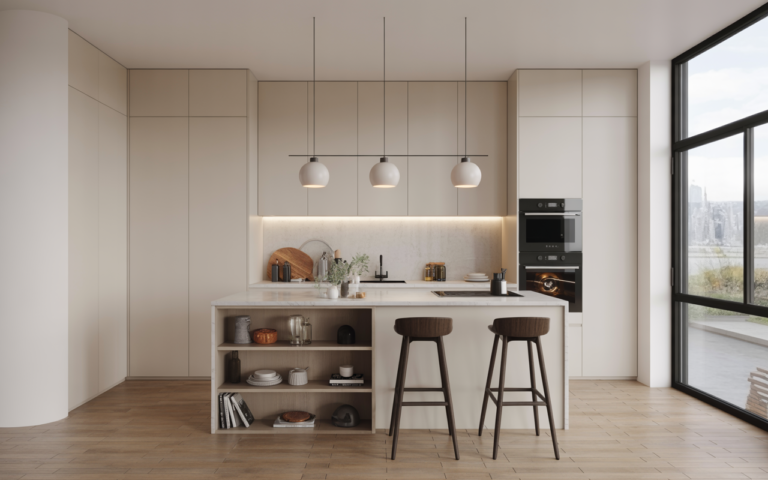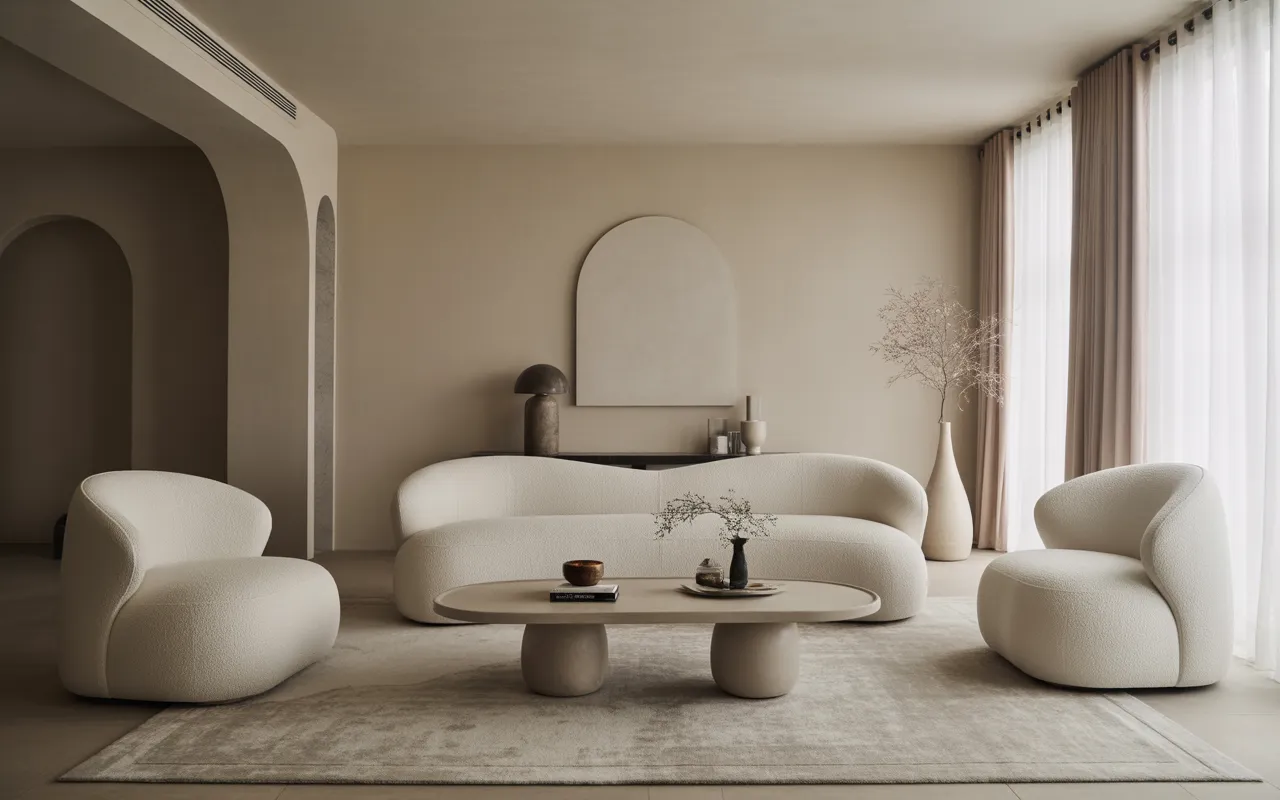
21 Interior Design Living Room Inspirations
The living room carries more weight than any other room in the house. It hosts guests, absorbs daily life, and sets the tone for everything around it. Getting it right matters, and getting it wrong shows fast. A room that feels off usually has one fixable problem, not ten.
This collection gathers 21 living room inspirations across modern, cozy, and elegant styles. Each idea breaks down what makes the look work, how to adapt it to a real home, and which pieces pull the most weight. You will find practical tips and shopping links with every single idea.
Whether you are starting from an empty room or refreshing one that feels tired, there is a starting point here for you. Renters, new homeowners, and serial redecorators all get something useful. Pick the ideas that match your space and your budget, then build from there.
This post contains affiliate links. If you buy through them, I may earn a small commission at no extra cost to you.
1. Modern Minimalist Living Room With Neutral Elegance

A modern minimalist living room works when restraint does the heavy lifting. Neutral walls, a low-profile sofa, and one good rug are often enough to carry the whole space. The elegance comes from proportion and breathing room, not from decoration. Start with the largest pieces and keep their lines clean and simple. A sofa with slim legs, a plain coffee table, and unadorned windows set the tone immediately. Every item should earn its place, so skip the extras that only fill corners. When each piece has room to stand alone, the room feels calm without feeling empty. Texture is what keeps this style from going flat, so lean on it.
Start with the rug: A large rug anchors a minimalist room and defines the seating area in one move. Choose wool or a wool blend in ivory, oatmeal, or light gray, and size it so the front legs of the sofa and chairs sit on it. A rug that is too small is the most common mistake in this style, and it makes everything look scattered. Pile height matters too. Low pile reads cleaner and is easier to keep tidy, which suits the whole point of minimalism. If your floors are dark, a light rug creates the contrast that keeps the room from feeling heavy. One rug, sized right, does more than three small decorative ones ever will.
Mind the scale: Minimalist rooms punish bad proportions faster than decorated ones do. A tiny sofa floating in a big room looks lost, and an oversized sectional swallows a small one. Measure your seating wall and leave at least 18 inches of walkway around the main pieces. Coffee tables should sit about 18 inches from the sofa edge, close enough to reach, far enough to walk past. Keep side tables small and few. One per seating cluster is plenty. When the scale is right, you need fewer objects to make the room feel finished, which is the entire idea.
- Paint walls in a warm white rather than a stark one to avoid a cold, clinical feel.
- Hide cords and remotes in closed storage so surfaces stay clear.
- Add one live plant for a touch of life without adding clutter.
Shop This Look
2. Contemporary Living Room With Statement Lighting

Statement lighting is the fastest way to give a contemporary living room a point of view. One oversized pendant, a sculptural floor lamp, or a bold chandelier can define the entire space. The trick is letting the fixture be the star while everything else stays quiet. Keep furniture simple and let the light do the talking. A dramatic piece over the coffee table draws the eye up and makes even a plain room feel designed. Scale matters here. The fixture should feel slightly too big rather than slightly too small, because undersized lighting disappears into the ceiling.
Get the scale right: For a pendant over a coffee table, add the room’s length and width in feet and convert to inches for a starting diameter. A 12 by 15 foot room suggests something around 27 inches wide. Hang it 30 to 36 inches above the table surface so it lights the zone without blocking sightlines. Floor lamps should arc over seating at about 60 to 66 inches high. If the fixture has a dimmer, use it. Statement pieces look best when you can drop them to a warm glow in the evening. Bright overhead light flattens everything, no matter how good the fixture is.
Keep the surroundings calm: A bold light fixture needs a quiet room around it. If the walls, sofa, and rug are all neutral, one dramatic piece reads as intentional. Add a second bold element and they start competing. Choose your one star and support it with simple shapes and a restrained palette. Metal finishes on the fixture can echo in small doses, like a side table frame or a picture frame, but keep those echoes subtle. The goal is a room with a clear focal point, not a showroom of competing statements. One hero, everything else supporting cast.
- Put statement fixtures on dimmers so you can shift from task light to mood light.
- Check ceiling height before buying; low ceilings need flush or semi-flush designs.
- Match the fixture’s metal finish to one other element in the room for cohesion.
Shop This Look
3. Cozy Modern Living Room With Warm Textures

Cozy and modern can share a room without fighting. The combination works when warm textures sit on top of clean, simple shapes. Think a streamlined sofa covered in a chunky knit throw, or a sleek coffee table softened by a sheepskin draped over a nearby chair. The modern bones keep the room from feeling cluttered, and the textures keep it from feeling cold. Start with a neutral base, then add warmth through materials you can touch. Wool, boucle, linen, and worn leather all do the job. The eye reads these textures as comfort before the brain even registers the design.
Layer it up: Cozy comes from layers, not from stuff. Start with the rug, add a throw on the sofa arm, then two or three cushions in different textures. Vary the scale of the textures so they read as distinct. A nubby boucle cushion next to a smooth linen one looks intentional. A room full of identical fleece throws looks like a dorm. Keep the color palette tight while you vary the materials. Creams, caramels, and soft grays let texture be the star. If everything is beige but nothing matches exactly, you are doing it right. Slight variation is what makes it feel collected instead of staged.
Warm the light: Cool white bulbs will undo every cozy texture you add. Switch to 2700K warm bulbs in every lamp in the room. It is a five-minute change that transforms the feel completely. Add light at multiple heights: a floor lamp in the corner, a table lamp on the side table, maybe a small lamp on a shelf. Each pool of warm light creates a pocket of comfort. Overhead lighting should be the last resort, not the default. When the textures are warm and the light is warm, the modern furniture underneath just provides structure. Nobody notices the clean lines. They notice how the room feels.
- Choose 2700K warm bulbs for every lamp to keep the glow cozy.
- Mix three different throw textures rather than matching sets.
- Add a basket for throws so the coziness stays tidy.
Shop This Look
4. Elegant Living Room With Classic Modern Fusion

Classic and modern are not opposites. The best rooms borrow from both. A traditional rolled-arm sofa next to a glass coffee table, or a vintage rug under streamlined chairs, creates a tension that feels collected over time. The fusion works when one style leads and the other accents. Let classic pieces bring the comfort and history, and let modern pieces keep it from feeling like a museum. A good rule is seventy-thirty. Seventy percent of the room follows one style, thirty percent the other. That ratio keeps the mix deliberate instead of confused.
Pick your lead style: Decide which style owns the room before you buy anything. If classic leads, anchor with a traditional sofa or an antique wood piece, then add modern lighting and clean-lined side tables. If modern leads, start with streamlined seating and bring in classic touches through the rug, curtains, or a vintage mirror. The lead style sets the color palette and the overall mood. The supporting style shows up in two or three pieces, max. Write it down if you have to. Having a clear lead keeps every later decision easy, because you always know which side a new piece should lean toward.
Unite with color: Two styles blend when they share a palette. A classic floral chair and a modern leather sofa can coexist if both pull from the same three colors. Repeat those colors in the rug, the art, and at least one textile. The repetition tells the eye that the mix is on purpose. Wood tones need the same treatment. If your classic piece is warm walnut and your modern piece is pale oak, bridge them with a rug or throw that contains both. Color is the translator between styles. Get it right and the fusion looks effortless. Get it wrong and it looks like two rooms collided.
- Keep a 70-30 split between your lead style and your accent style.
- Repeat the same 3 colors across both classic and modern pieces.
- Use a vintage rug to bridge traditional and contemporary furniture.
Shop This Look
5. Open-Concept Living Room With Modern Flow

Open-concept living rooms fail when the space feels like one big undefined box. The fix is giving each zone a clear job without building walls. A rug under the sofa marks the living zone. A pendant over the table marks the dining zone. The eye reads these signals instantly. Keep a consistent floor throughout so the space flows, then use furniture placement to create the boundaries. The back of a sofa is the most useful divider you own. Float it between zones and it separates without blocking light or conversation. Flow matters more than square footage here.
Define zones clearly: Every zone needs three things: an anchor, a light source, and a clear edge. The anchor is the biggest piece, like the sofa or the dining table. The light source can be a pendant, a floor lamp, or even a table lamp. The edge comes from a rug or from the furniture arrangement itself. Walk the path between zones and make sure it feels natural. You should be able to move from the kitchen to the sofa without squeezing past furniture. If a zone feels vague, it is usually missing one of the three. Add the missing piece before buying anything new.
Keep sightlines open: The whole point of open concept is seeing across the space, so protect that. Keep tall furniture against walls and low pieces in the middle. Bookcases, armoires, and tall plants belong on the perimeter. In the center, nothing should rise much above sofa-back height. This keeps light moving and conversations flowing across zones. It also makes the space feel larger than the same square footage divided into rooms. When you can see the far wall from the sofa, the room breathes. Block that view and you might as well have built the wall.
- Float the sofa with its back to the dining zone to create a natural divider.
- Use one flooring material throughout for visual flow.
- Repeat one accent color in each zone to tie the space together.
Shop This Look
6. Scandinavian Living Room With Light and Simplicity

Scandinavian design is popular for a reason. It makes small or dark rooms feel bigger and brighter without trying hard. The formula is simple: pale woods, white or light gray walls, and furniture with clean lines and visible legs. Light bounces around instead of getting absorbed. The style also forces good editing, because there is nowhere for clutter to hide. What looks minimal in photos is actually just well organized. Every piece is useful, every surface is clear. If your living room feels heavy or dark, this style is the fastest reset.
Lead with light woods: Pale wood is the signature of this style, so make it visible. Oak, ash, and birch in natural or whitewashed finishes keep the room airy. Use it in the coffee table, the media console, and at least one chair. Avoid dark stains completely. They fight the whole concept. If your floors are dark, a light rug and pale furniture on top will lift the room anyway. Mix wood tones carefully. Two pale woods that are close in tone look intentional. A pale wood next to a dark one looks like a mistake. When in doubt, match the undertone and keep everything on the light side.
Edit ruthlessly: Scandinavian rooms look effortless because someone removed half the stuff. Go through your surfaces and keep only what is beautiful or useful, ideally both. Books go on shelves, not stacked on the coffee table. Throws get folded in a basket, not draped over every chair. This is not about owning less forever. It is about giving each object space. A single vase on a clear side table has more impact than five small objects crowded together. Do one ruthless pass, live with it for a week, then do another. The second pass is where the calm appears.
- Stick to white, light gray, and pale wood as your base palette.
- Choose furniture with visible legs to keep the floor feeling open.
- Add one black accent per zone for contrast and definition.
Shop This Look
7. Modern Living Room With Bold Accent Wall

A bold accent wall is the cheapest dramatic change you can make to a living room. One wall in deep green, navy, charcoal, or even black transforms the whole space in a weekend. The key is committing fully. A timid mid-tone gray does nothing. Go dark enough that the wall clearly reads as a decision. The best wall for the treatment is usually the one the sofa faces or the one behind it. That way you see it when you enter and when you sit. Paint is the obvious route, but wood slats, limewash, or peel-and-stick panels work for renters and commitment-phobes.
Test before committing: Dark paint looks different on every wall, so test properly. Paint a two-foot square in two coats and live with it for three days. Check it in morning light, afternoon light, and lamplight. Colors shift dramatically. A navy that looks rich at noon can go purple under warm bulbs. If you are torn between two shades, go darker. Bold walls work because of their depth, and the lighter option usually disappoints once it is up. Also paint the trim on that wall the same color. Contrasting white trim chops up a dark wall and weakens the effect. Same-color trim makes it look seamless and expensive.
Balance the rest: A bold wall needs a calm room around it. Keep the other three walls light and neutral so the dark wall has something to play against. Furniture in front of it should be lighter in tone, or it will disappear into the wall. This is where a cream sofa or pale wood pieces earn their keep. Art on the dark wall needs bigger frames and lighter mats to stand out. One more thing: the bold wall becomes the focal point, so style what sits against it carefully. A console, a mirror, or a pair of lamps is enough. Do not crowd it.
- Paint large test swatches and observe them for 3 days before deciding.
- Paint the trim the same color as the wall for a seamless look.
- Place lighter furniture against the dark wall so it stands out.
Shop This Look
8. Luxurious Living Room With Soft Metallic Touches

Metallics add luxury without the price tag of actual luxury materials. A brass floor lamp, a mirrored side table, or curtain rods in brushed gold catch the light and make the room feel considered. The trick is restraint. Metallics are accents, not a theme. Two or three touches per room is the sweet spot. More than that and the room starts to feel like a jewelry box. Soft metallics work best in living rooms: brushed brass, satin nickel, aged gold. They glow instead of glaring. Polished chrome can work too, but it reads colder, so pair it with warm textures.
Repeat the finish: One brass lamp alone looks like an accident. The same brass on a lamp, a picture frame, and a tray looks like a plan. Pick one metal finish and repeat it three times around the room. Keep the repeats small. You are creating echoes, not a matching set. If your main finish is brass, a second metal like matte black can appear in tiny doses, like lamp shades or hardware. Two metals max. The repetition ties the room together and makes each metallic moment feel deliberate. Scatter them so the eye travels: one near the window, one by the sofa, one on the far wall.
Mind the light: Metallics only shine when there is light to catch, so place them where light actually lands. A brass tray on a coffee table near the window glows all afternoon. The same tray in a dark corner does nothing. Lamps with metallic bases do double duty, providing the light and catching it. Be careful with overhead lighting on mirrored surfaces, which can create harsh glare. Table and floor lamps at seating height give metallics a warm, flattering light. If a metallic piece looks flat, move it six inches toward the nearest light source before replacing it.
- Limit yourself to one main metal finish repeated 3 times.
- Place metallics where natural or lamp light will hit them.
- Choose brushed or satin finishes over high polish for a softer glow.
Shop This Look
9. Modern Living Room With Natural Elements

Natural elements make a modern living room feel alive instead of staged. Wood, stone, plants, and natural fibers bring in variation that manufactured materials cannot fake. A live-edge coffee table, a jute rug, or a big leafy plant adds the irregularity the eye craves. Modern furniture tends toward perfect geometry, which is beautiful but can feel sterile. Nature breaks that up. You do not need much. One strong natural piece per zone is enough. The contrast between the clean lines and the organic shapes is what makes the room interesting.
Bring the outdoors in: Plants are the easiest natural element, but choose them like furniture. One large plant makes more impact than six small ones scattered around. A fiddle leaf fig, olive tree, or bird of paradise fills a corner and adds height. Put it in a simple pot, ceramic or woven, and let the plant be the decoration. Beyond plants, bring in wood with visible grain, stone in a side table or hearth, and fibers like jute, rattan, and linen. Each material adds a different texture. Together they create the layered, collected feeling that makes a room feel finished without feeling decorated.
Keep it low maintenance: Natural does not have to mean high maintenance. If you kill plants, choose a snake plant or ZZ plant and set a phone reminder to water monthly. Faux plants have improved a lot, and one good faux olive tree fools most people. Natural wood needs coasters, not babying. Jute rugs hide dirt well and shake out easily. The goal is a room that feels organic without creating chores. Pick the natural elements that fit your actual habits, not your aspirational ones. A thriving snake plant beats a dead fiddle leaf fig every time, and the room knows the difference.
- Choose one large plant over several small ones for bigger impact.
- Mix wood, stone, and natural fibers for varied organic texture.
- Pick low-maintenance plants like snake plants if you lack a green thumb.
Shop This Look
10. Chic Monochrome Living Room Design

Monochrome sounds boring until you see it done well. A black and white living room has built-in contrast that makes every shape pop. The palette does the decorating, so the furniture can stay simple. White walls, a black-framed sofa or chairs, and a graphic rug are the bones. What keeps it chic instead of stark is the mix of tones within the two colors. Soft whites, warm grays, and true black layered together create depth. A purely flat black and white room looks graphic and cold. One with fifteen shades between looks rich and intentional.
Work the grays: The secret to monochrome is the middle. Grays bridge black and white and keep the room from feeling like a chessboard. Use charcoal, medium gray, and pale gray in textiles and art. A gray throw on a white sofa, a charcoal cushion on a light chair. These transitions let the eye move smoothly instead of jumping between extremes. Warm grays feel cozier, cool grays feel crisper. Pick one temperature and stick with it, or the room will feel muddled. If your whites are warm, your grays should lean warm too. Consistency in undertone is what separates chic from chaotic.
Add one texture story: With only two colors, texture carries the personality. Pick a texture direction and commit. It could be soft and nubby with boucle, shearling, and knit. It could be sleek with leather, lacquer, and glass. Mixing both directions in one monochrome room usually looks confused. Two or three textures repeated around the room is enough. A boucle chair, a knit throw, and a shaggy rug tell one coherent story. The limited palette means every texture choice shows, so choose them on purpose. This is also where pattern can sneak in: a black and white geometric rug adds energy without adding color.
- Use warm grays with warm whites, cool grays with cool whites.
- Repeat 2 to 3 textures around the room for a coherent feel.
- Add pattern through a black and white rug, not through color.
Shop This Look
11. Contemporary Living Room With Layered Lighting

Layered lighting is what separates a room that looks good in photos from one that feels good at 8pm. Overhead light alone creates shadows and flatness. Add lamps at different heights and the room comes alive. The formula is simple: ambient, task, and accent. Ambient is the general glow, usually from the ceiling or a tall floor lamp. Task is focused light for reading or working. Accent highlights art, plants, or architectural details. A contemporary living room needs all three. Most rooms have only the first, which is why they feel unfinished after dark.
Layer it by height: Think of lighting in three horizontal bands. High: pendants, chandeliers, or recessed lights wash the ceiling and provide overall brightness. Middle: table lamps and wall sconces at eye level when seated create the warm pools that make a room feel intimate. Low: floor-level accent lights, LED strips behind furniture, or a small lamp on a low shelf add depth and drama. You want at least one source in each band. The middle band matters most for how the room feels, so invest there first. Two good table lamps change a room more than any ceiling fixture.
Control each layer: Layered lighting only works if you can control the layers separately. Put different light types on different switches or smart plugs. In the evening, kill the overheads and run just the lamps. For reading, add the task light. For a party, bring up the accent lights. Dimmers on the main sources multiply your options. Smart bulbs are the easy retrofit: no rewiring, just an app. The goal is a room that can shift moods in seconds. A living room stuck on one bright setting wastes all the layering you built. Control is the difference between lighting design and just owning lamps.
- Include ambient, task, and accent light sources in every seating zone.
- Put lamps on separate switches or smart plugs from overheads.
- Use dimmers or smart bulbs to shift the mood easily.
Shop This Look
12. Minimalist Living Room With Statement Furniture

Statement furniture means one piece does the talking while everything else listens. A sculptural chair, an unusually shaped coffee table, or a sofa in a bold silhouette becomes the room’s personality. This approach suits minimalists who want interest without clutter. Instead of ten decorative objects, you buy one unforgettable chair. The key is giving the piece space. A statement chair crammed between ordinary furniture looks like a mistake. The same chair with breathing room looks like a gallery piece. Negative space is the frame that makes the statement work.
Choose one star: The hardest part is stopping at one. A sculptural lounge chair and a wild coffee table in the same room compete instead of complement. Pick the single piece that excites you most and build quietly around it. Everything else should be simple, well-made, and neutral. The supporting pieces are not boring. They are the calm background that lets the star shine. If you already own two strong pieces, separate them into different rooms or different zones. Each one deserves its own stage. One star per room is the rule that keeps this look sharp instead of chaotic.
Support with simplicity: The furniture around your statement piece should be the best version of basic. A clean-lined sofa in a solid neutral, a simple rug, plain curtains. Quality matters more than ever here because there is nothing to hide behind. A cheap sofa next to a designer chair looks worse than a good simple sofa does. Spend your budget on the statement piece first, then fill in with the best basics you can afford. The room reads as curated when every piece is good, even if only one is exciting. Simplicity is not the absence of design. It is the frame around it.
- Give your statement piece empty space on at least two sides.
- Keep all surrounding furniture simple, neutral, and well-made.
- Limit the room to one true statement piece to avoid competition.
Shop This Look
13. Warm Neutral Living Room With Textured Layers

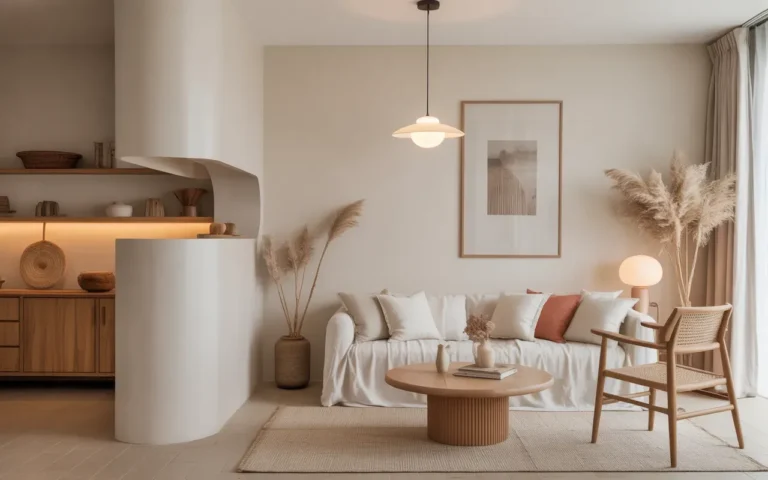
Warm neutrals are the most forgiving palette in interior design. Creams, beiges, taupes, and warm grays work with everything and flatter everyone. A warm neutral living room feels welcoming in a way that cool gray rooms never quite manage. The risk is blandness, and the cure is texture. When the colors stay close together, materials have to create the interest. Layer linen, wool, leather, and wood in similar tones. The room stays calm but never flat. This palette also ages well. It will not look dated in five years, and it adapts to seasonal swaps easily.
Vary the tones: A successful neutral room uses at least five distinct tones. Start with the lightest, maybe an ivory wall, and step down through oatmeal, taupe, camel, and a deeper brown or charcoal. Distribute them around the room so no area is all light or all dark. The sofa might be oatmeal, the chairs camel, the rug ivory with a taupe border, the throw deep brown. Each tone should appear at least twice so nothing looks random. This tonal stepping creates the depth that keeps neutrals interesting. Without it, everything blurs into one beige blob and the room falls flat.
Layer the textures: In a neutral room, texture is the pattern. Combine smooth and rough, matte and sheen, tight and loose weaves. A leather chair next to a linen sofa, a nubby wool rug under a sleek wood table, a knit throw over smooth cushions. Each contrast gives the eye something to notice. Aim for at least four distinct textures in the main seating area. They do not need to match in any way except tone. The variety is the point. When someone walks in, they should want to touch things. That tactile pull is what makes a neutral room feel luxurious instead of plain.
- Use at least 5 distinct neutral tones stepped from light to dark.
- Repeat each tone at least twice around the room.
- Combine 4 or more textures in the main seating area.
Shop This Look
14. Modern Living Room With Open Shelving

Open shelving in the living room is display space, not storage space, and that distinction matters. Done well, it turns books, ceramics, and art into part of the decor. Done badly, it becomes a dusty clutter shelf. The difference is editing. Style shelves with the same care you would give a mantel. Group objects in odd numbers, vary heights, and leave empty space. About a third of each shelf should be empty. That breathing room is what makes the styled parts look intentional. Floating shelves, bookcases with open backs, and étagères all work. Pick the format that fits your wall.
Style in thirds: Divide each shelf visually into thirds and treat them as separate vignettes. One third might hold a stack of books with a small object on top. Another might have a framed print leaning against the wall. The third stays empty or holds one tall, simple piece like a vase. Repeat this rhythm across shelves but vary the contents. Step back every few minutes while styling. Shelves look different from six feet away than from six inches. What feels sparse up close usually looks right from the sofa. Take a phone photo to check. The camera catches clutter your eyes miss.
Keep it dust-friendly: Open shelves collect dust, so choose objects that are easy to clean. Books, ceramics, and framed art wipe down fast. Tiny fiddly objects with crevices become a maintenance nightmare. Limit small items to a few per shelf and corral them on trays. A tray turns five dust-collectors into one movable unit. Dust the shelves monthly with a microfiber cloth, which takes ten minutes for a standard bookcase. If that sounds like too much, use fewer shelves or switch some to closed storage. Open shelving should add beauty, not chores. Be honest about your tolerance before you commit.
- Leave about a third of each shelf empty for breathing room.
- Group objects on trays so dusting means moving one thing.
- Photograph shelves from the sofa to spot clutter you miss up close.
Shop This Look
15. Elegant Living Room With Soft Color Accents

Soft color accents are for people who love neutrals but want a little life. Blush, sage, dusty blue, or warm terracotta appear in small doses against a calm base. The base stays neutral, walls, sofa, rug, and the color shows up in cushions, throws, art, and maybe one chair. Because the accents are soft, not saturated, they add warmth without demanding attention. This is the easiest elegant look to live with. It feels fresh but never loud, and you can swap the accent color seasonally without redoing the room. One set of cushion covers changes the whole mood.
Pick one accent: The elegance of this look depends on discipline. Choose exactly one accent color and use it in three to five places. A sage cushion, a sage throw, sage in the art, maybe a sage vase. That repetition makes it feel designed. Add a second accent color and the calm breaks. If you crave variety, vary the shade of your one color instead. Dusty rose, blush, and terracotta can coexist because they are all in the same family. What you want to avoid is sage plus terracotta plus dusty blue. Each is lovely alone. Together they argue. One color, several shades, total harmony.
Ground it in neutrals: Soft accents need a strong neutral foundation or they look wishy-washy. The sofa, rug, and walls should be confident neutrals with clear warm or cool undertones. Warm whites, greige, and natural linen all work. The neutrals do the heavy lifting of making the room feel finished, and the accents just add the smile. Make sure your neutrals have enough contrast with each other. An ivory sofa on an ivory rug with ivory walls disappears. Step the tones so each piece is visible. Then the soft color accents sit on top like jewelry, noticeable because the base is solid.
- Choose one accent color and repeat it in 3 to 5 places.
- Vary shades within one color family instead of adding new colors.
- Keep the neutral base strong with clear tonal contrast.
Shop This Look
16. Contemporary Living Room With Low-Profile Seating

Low-profile seating changes how a room feels. Sofas and chairs that sit close to the ground make ceilings feel higher and rooms feel calmer. The look is contemporary and relaxed, like the whole room exhaled. It works especially well in rooms with great views or high ceilings, where you want the architecture to dominate. The catch is comfort. Some low sofas are stylish torture devices. Test seat depth and back support before committing. A low seat with a deep sit and a slightly reclined back can be genuinely comfortable. A low seat that is also shallow is just a bench with cushions.
Check the comfort: Sit in any low-profile piece for at least ten minutes before buying. Pay attention to how easy it is to stand up, because guests of all ages will use it. Seat height around 15 to 17 inches is the sweet spot for most adults. Lower than that and getting up becomes a project. Look for solid back support. Low backs look sleek but need the right angle to support reading or conversation. If you love the look but worry about comfort, add a lumbar cushion. It fills the gap without ruining the line. Style should never cost you the ability to sit through a whole movie.
Balance the heights: When seating sits low, everything around it needs to adjust. Coffee tables should drop to 12 to 14 inches high. Side tables can stay standard, which creates a nice height variation. Art should hang lower too. The center of your main artwork should sit around 48 inches from the floor instead of the usual 57. Rugs become more important because more floor is visible. Choose one with enough presence to anchor the low furniture. The overall effect should feel intentional, like the room was designed around the horizon line. When the heights align, the room feels serene and spacious.
- Aim for seat height of 15 to 17 inches for everyday comfort.
- Lower coffee tables to 12 to 14 inches to match low seating.
- Hang art lower, with centers around 48 inches from the floor.
Shop This Look
17. Rustic Modern Living Room With Wood Accents

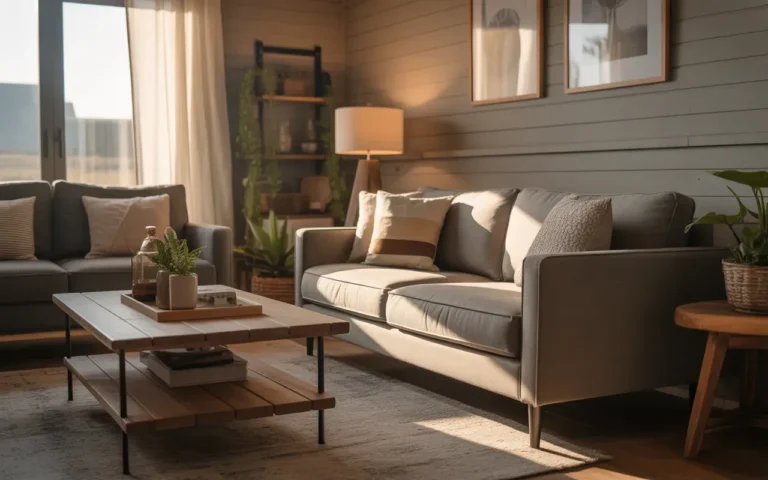
Rustic modern is the style for people who want warmth without fuss. Reclaimed wood, black metal, and natural linen create a room that feels grounded and honest. The rustic pieces bring character and history. The modern pieces keep it from feeling like a cabin. A live-edge coffee table next to a clean-lined sofa is the classic pairing. The contrast is the whole point. Neither style alone would be as interesting. This look is forgiving, which is part of its charm. A scratch on a rustic wood table adds character. The same scratch on a lacquered table is a tragedy.
Mix old and new: The best rustic modern rooms combine genuine age with crisp newness. Hunt for one or two pieces with real history: a vintage trunk as a coffee table, an old factory cart as a side table, reclaimed beams if you are renovating. Pair them with simple modern seating and lighting. The new pieces should be quiet so the old ones can talk. Avoid fake distressing. Factory-made barn wood looks flat next to the real thing, and the eye knows the difference even if the brain does not. One authentic old piece beats five reproduction rustic items every time.
Keep it refined: Rustic can slide into messy if you are not careful. The modern half of the equation is what keeps it refined. Keep lines clean, edit accessories ruthlessly, and let the wood be the main rustic voice. Too many antlers, lanterns, and plaid throws tip the room into theme territory. Choose two or three rustic accents and stop. A cowhide rug or a set of wrought iron candle holders is enough. The rest should be simple and well-made. The goal is a room that feels warm and collected, not a lodge gift shop. Restraint is what makes rustic feel modern.
- Invest in one or two genuinely old pieces rather than reproductions.
- Let wood be the main rustic voice; limit themed accessories.
- Pair rustic pieces with clean modern seating for contrast.
Shop This Look
18. Monochromatic Living Room With Layered Textures

A monochromatic room uses one color in many shades, and the result is surprisingly rich. It could be all beige, all gray, or all green. The single hue creates a calm, enveloping feeling that multi-color rooms cannot match. What makes it work is range. You need the lightest tint and the deepest shade of your color, plus several steps between. A beige room needs ivory, oatmeal, camel, and espresso. Without the dark end, it looks washed out. Without the light end, it looks muddy. The full spectrum is what gives a one-color room its depth and sophistication.
Build the spectrum: Start by choosing your color, then collect swatches from near-white to near-black within it. Aim for six to eight distinct steps. Assign the lightest tones to the largest surfaces: walls, rug, sofa. Put the mid-tones on secondary pieces like chairs and curtains. Save the deepest shades for accents: cushions, throws, art frames, a lamp base. This light-to-dark distribution keeps the room airy while giving it weight at the edges. If you catch yourself buying everything in the same mid-tone, stop. The magic is in the extremes. Push lighter and darker than feels comfortable.
Texture does the talking: With one color, texture becomes the main event. This is where you go all in. Boucle, velvet, linen, leather, wool, rattan, all in your chosen hue. The variety of surfaces catches light differently, which creates the visual interest that color normally provides. A monochromatic beige room with six textures feels luxurious. The same room with one texture feels flat and institutional. Do not be shy here. Mix rough with smooth, matte with sheen. Every new texture is like a new color in a regular room. Layer generously and let touch lead the design.
- Collect 6 to 8 steps from near-white to near-black in your hue.
- Put lightest tones on large surfaces, darkest on accents.
- Layer 5 or more textures to create visual interest.
Shop This Look
19. Open-Plan Living Room With Integrated Dining

When the living room and dining area share one open space, they should feel like siblings, not strangers. Integrated dining means the two zones flow together visually while each keeps its job. The easiest integration is a shared palette and shared materials. If the living room has oak and black metal, the dining table should too. Style continuity makes the whole space feel larger and more intentional. The dining zone needs the same care as the living zone: a rug, proper lighting, and a clear boundary. A dining table floating in undefined space looks like it is waiting for the rest of the room.
Match the materials: Walk between your living and dining zones and list the main materials in each. Wood tones, metal finishes, and fabric types should overlap significantly. You do not need matching sets. You need material echoes. An oak dining table near an oak media console. Black dining chairs near a black floor lamp. These echoes tell the eye the zones belong together. The rug under the dining table can be a quieter version of the living room rug, same style family, less pattern. When materials rhyme across zones, the open plan feels designed instead of accidental.
Light each zone separately: The fastest way to define the dining zone is a pendant or chandelier over the table. It creates a ceiling of light that marks the territory clearly. Hang it 30 to 36 inches above the tabletop. The living zone gets its own lighting: floor lamps, table lamps, maybe a pendant over the coffee table. When each zone has its own light source, you can light them independently for different moods. Dinner party means dining pendant on, living lamps low. Movie night is the reverse. Separate switching is worth the electrician visit. It turns one big room into two flexible spaces.
- Echo wood tones and metal finishes across both zones.
- Hang a pendant 30 to 36 inches above the dining table.
- Put each zone’s lighting on separate switches.
Shop This Look
20. Chic Living Room With Curved Furniture

Curved furniture softens a room instantly. Arched sofas, round coffee tables, and barrel chairs break up the boxiness of four walls and rectangular windows. The curves create movement, guiding the eye around the space instead of stopping it at corners. This style feels current but it is actually timeless. Curves have cycled through design history for a century because they work. A curved sofa in particular changes the social dynamic. People sitting on a curve naturally face each other, which makes conversation easier. It is design that improves how the room functions, not just how it looks.
Start with one curve: You do not need a room full of curves. One strong curved piece, a curved sofa or a pair of barrel chairs, sets the tone. Everything else can stay straight. In fact, straight pieces make the curve stand out more. A round coffee table with a curved sofa might be too much curve. A rectangular coffee table with a curved sofa is the right tension. Place the curved piece where it gets noticed, facing the entrance if possible. Curves photograph well and greet guests warmly. Let the architecture stay angular and let the furniture provide the softness. That contrast is the look.
Mind the footprint: Curved furniture eats floor space differently than rectangular pieces. A curved sofa needs clearance on its convex side that a straight sofa does not. Measure the full sweep, not just the width. In small rooms, choose smaller curves: a round side table, a barrel chair, an arched floor lamp. These add softness without demanding square footage. In large rooms, go bold with a full curved sectional. Whatever the size, keep walkways clear around the curves. A beautiful curved chair that blocks the path to the kitchen becomes an obstacle, not a feature. Flow first, curves second.
- Start with one curved hero piece; keep the rest straight.
- Measure the full sweep of curves, not just the width.
- In small rooms, add curves through side tables and chairs.
Shop This Look
21. Luxurious Living Room With Velvet Accents

Velvet is the fabric of luxury living rooms. It catches light, feels incredible, and makes even simple furniture look expensive. A velvet sofa in emerald, navy, or blush becomes the undeniable center of the room. The pile shifts color as you move around it, which gives the piece a living quality that flat fabrics lack. Velvet does demand some care. It shows pressure marks and needs occasional steaming. But modern performance velvets resist stains and wear far better than the delicate velvets of the past. For a high-use sofa, choose a performance velvet and enjoy it without anxiety.
Choose the color boldly: Velvet rewards bold color choices. The fabric’s depth makes jewel tones glow: emerald, sapphire, ruby, amber. These colors in velvet look rich, never garish. If bold feels risky, a velvet chair or ottoman in a strong color gives you the luxury without committing the whole sofa. Neutral velvets, like champagne or slate, are beautiful but lose some of the drama that makes velvet special. Whatever color you choose, get a swatch and check it in your light. Velvet changes more between showroom and home than any other fabric. The swatch test is non-negotiable.
Pair with contrast: Velvet needs contrasting textures around it to shine. Pair a velvet sofa with a nubby wool rug, a smooth marble coffee table, or rough linen curtains. The contrasts make the velvet look even more luxurious by comparison. Metallics are velvet’s best friend. Brass or gold accents next to emerald velvet is a classic luxury combination for a reason. Keep the wall color calm so the velvet stays the star. A soft neutral wall lets the rich fabric dominate. Too many rich elements competing will tire the eye. Let velvet be the luxury, and let everything else support it quietly.
- Choose performance velvet for sofas that get daily use.
- Test velvet swatches in your own light before ordering.
- Pair velvet with contrasting textures like wool, marble, or linen.
Shop This Look
How to Start
Start with the room empty if you can. Pull everything out or push it all to the center, then look at the bare space. Notice where the light falls during the day and which wall you see first when you walk in. Those two observations drive most of your decisions. The brightest wall is usually wrong for the TV, and the first wall you see deserves your best piece of art or your strongest furniture arrangement.
Next, place the big pieces before buying anything new. Sofa first, facing the focal point, whether that is a window, a fireplace, or the TV wall. Then the rug, sized so front legs of seating sit on it. Then the coffee table and one chair. Live with that skeleton for a few days. You will feel what is missing, usually lighting or a side table, and you will avoid buying things the room does not need.
Finally, add layers one at a time. Lighting first, because it changes everything after dark. Then textiles: curtains, throws, cushions. Then art and accessories last. Each layer should make the room feel more finished without adding clutter. If a layer makes the room feel busy, remove one item before adding another. The goal is a room that feels complete but still has breathing room.
- Photograph the empty room from the doorway to see it with fresh eyes.
- Buy the rug before the sofa if you are replacing both, since rugs have fewer size options.
- Set a budget per zone (seating, lighting, textiles) so one area does not eat the whole budget.
Shop This Look
Common Mistakes
- Pushing all furniture against the walls, which makes the room feel like a waiting area instead of a conversation space.
- Buying a rug that is too small, leaving the seating pieces visually disconnected from each other.
- Using only overhead lighting, which flattens the room and kills any cozy feeling after dark.
- Matching every piece of furniture, which makes the room look like a showroom instead of a home.
- Hanging art too high, so it floats disconnected above the furniture instead of relating to it.
- Ignoring traffic paths, forcing people to squeeze between the coffee table and the sofa.
- Choosing style over comfort in seating, ending with a beautiful room nobody wants to sit in.
Frequently Asked Questions
What is the most important piece in a living room?
The sofa. It sets the scale, the comfort level, and the style direction for everything else. Choose it first, sit in it before buying, and pick a neutral fabric if you like to change accessories often. A good sofa lasts a decade, so this is where the biggest share of the budget belongs.
How do I make my living room look designed on a small budget?
Paint is the cheapest transformation, followed by lighting. A fresh wall color, warm bulbs in every lamp, and one large rug will change the room more than a dozen small accessories. Shop secondhand for solid wood pieces, which are cheaper used and better made than new flat-pack equivalents.
Should my living room match the rest of my house?
It should relate, not match. Repeating one or two colors and one material from adjoining rooms creates flow without monotony. If your home leans modern overall, you can see how a modern living room fits a whole-house scheme in our modern living room decor ideas. The connection should feel natural, not forced.
How many colors should a living room have?
Three to five. One dominant neutral, one secondary tone, and one or two accents is the classic formula. More than five colors in one room usually looks busy unless they are all very muted. When in doubt, remove a color rather than adding one.
What size rug do I need for my living room?
As large as the seating area allows. At minimum, the front legs of the sofa and chairs should sit on the rug. In most living rooms that means 8×10 feet or larger. A rug that floats in the middle of the seating with nothing touching it makes the room look smaller and the furniture look scattered.
The Finishing Touch
A living room is never really finished, and that is fine. The best rooms evolve as life changes: a chair gets reupholstered, art gets swapped, a lamp moves to a better spot. What matters is that the bones are right. Good proportions, honest materials, and lighting you can control will carry the room through every later tweak.
If you take one idea from this collection, make it the habit of editing. Every few months, walk into your living room like a guest and notice what catches your eye first. If it is clutter, clear it. If it is a piece you no longer love, move it or replace it. Small, regular edits keep a room feeling fresh without a full redo. For more professional perspective on warm, inviting spaces, Houzz has a good piece on cozy contemporary living spaces that shows how designers layer comfort into modern rooms.
Start with the idea that excited you most and build from there. One strong change, a new rug, a bold wall, better lighting, creates momentum. The rest follows naturally. Your living room should feel like you on your best day: comfortable, put together, and easy to be around.