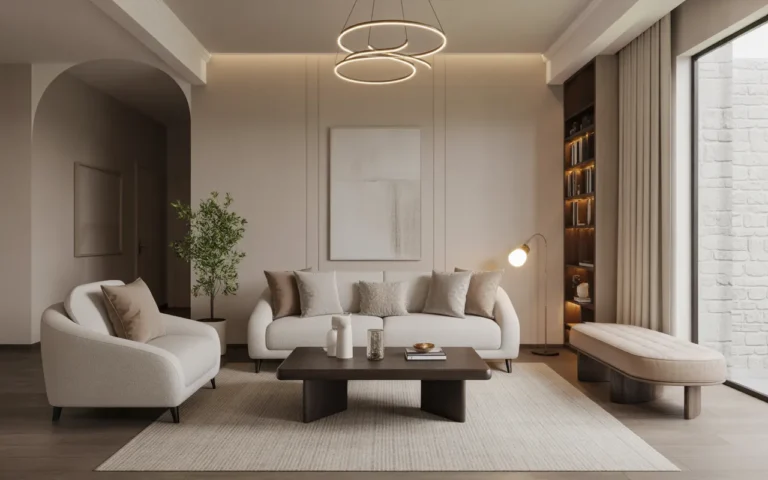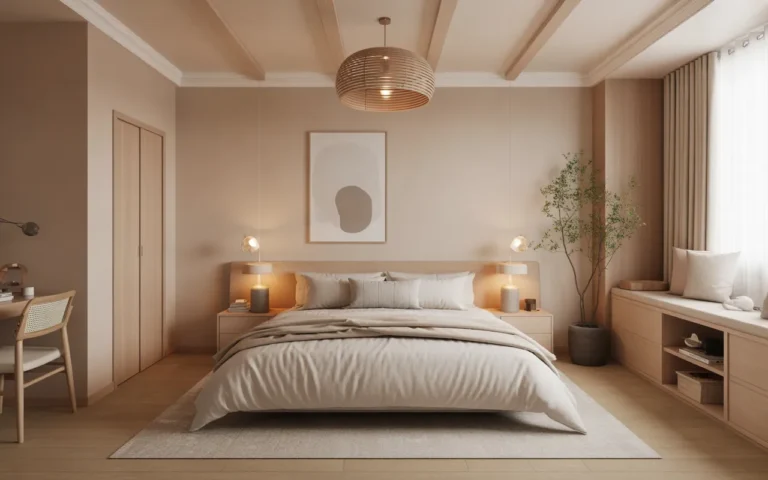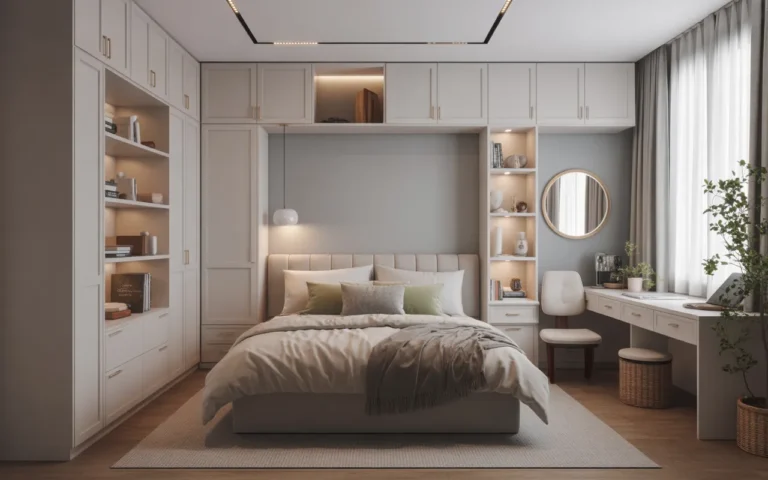
21 Small Living Room Decor Tips Smart Space Saving
Designing a small living room can feel challenging, but with the right strategies, even compact spaces can be stylish, functional, and inviting. Smart furniture choices, clever storage solutions, and thoughtful décor make a huge difference in how open and organized the room feels. From light color palettes and multi-functional furniture to mirrors, plants, and carefully selected accessories, every decision impacts the perception of space. These 24 small living room decor tips focus on maximizing floor space, improving flow, and enhancing comfort without compromising style. Whether you live in a cozy apartment or a compact house, these tips will help you transform your small living room into a practical, elegant, and welcoming space.
1. Choose Light and Neutral Colors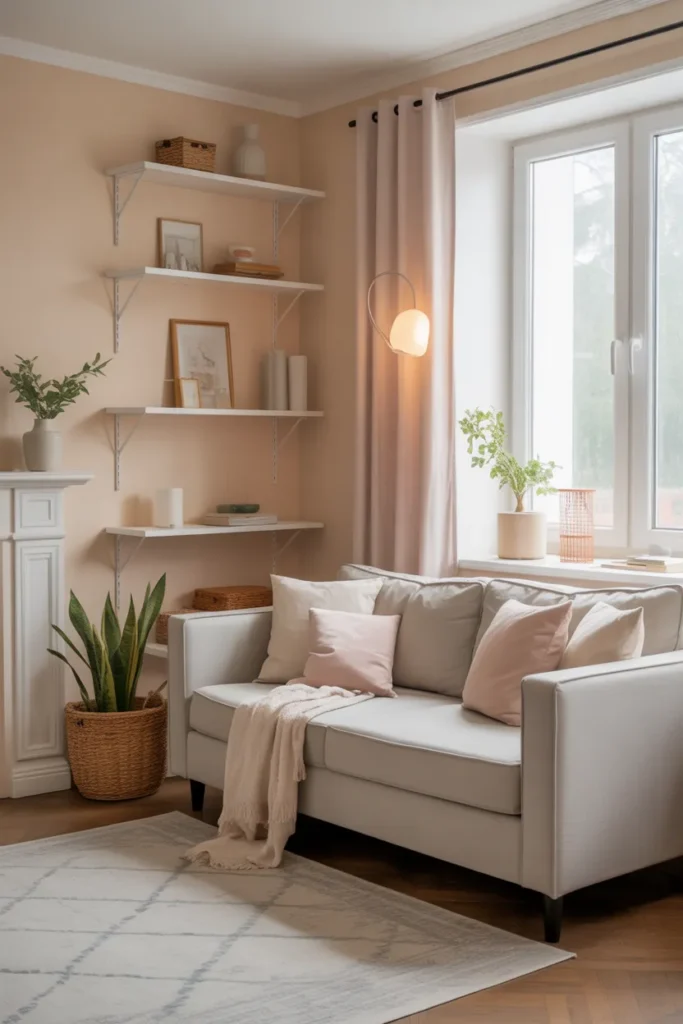
Using light and neutral colors in a small living room instantly creates a sense of openness and brightness. Shades like cream, beige, pale gray, or soft pastels reflect natural light and make the room feel larger than it is. Walls, ceilings, and even large furniture pieces in these tones prevent the space from feeling cramped. This palette also allows adding pops of color through accessories like cushions, throws, or rugs, which can bring personality to the room without visually closing it in.
Flooring and décor elements also play a role in enhancing spaciousness. Light-colored wood, laminate, or rugs continue the airy feel, while mirrors or reflective surfaces create an illusion of depth. Even a subtle accent wall in muted shades can add dimension without overpowering the room. Consistency in colors and careful selection of décor ensures a harmonious, inviting living room that feels open, stylish, and clutter-free.
2. Use Multi-Functional Furniture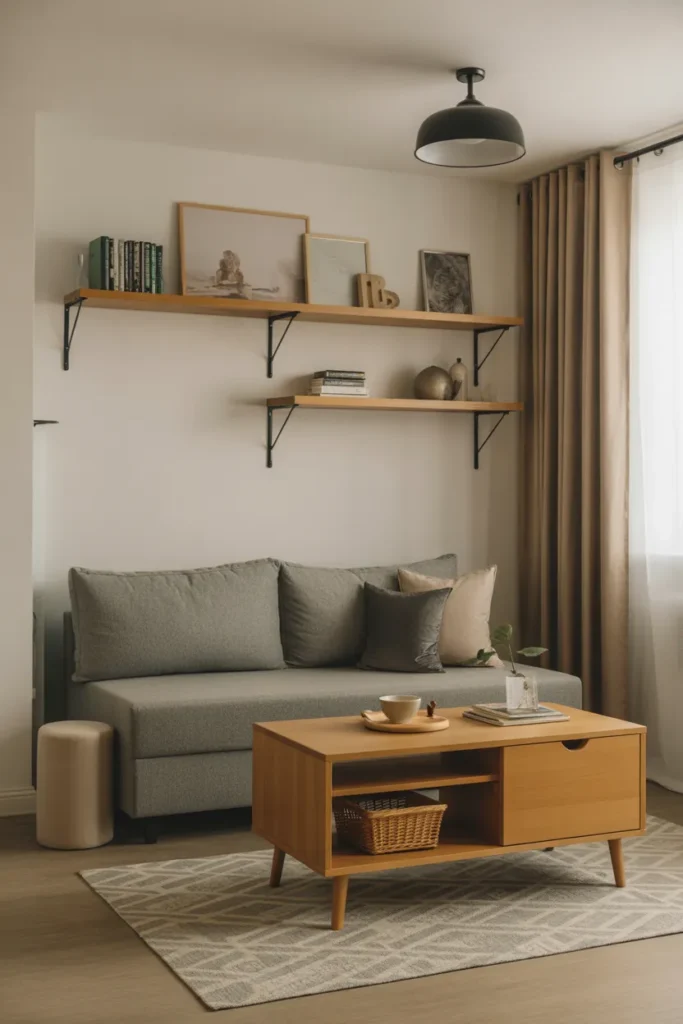
Multi-functional furniture is essential for small living rooms where every square foot counts. Pieces like sofa beds, storage ottomans, and coffee tables with hidden compartments allow you to combine comfort, functionality, and style. For instance, an ottoman can serve as seating, a table, and storage all at once. Nesting tables are another smart choice—they can expand when needed and tuck away neatly when not in use. By choosing furniture that serves more than one purpose, you reduce clutter while making the room feel organized and spacious.
Beyond storage, multi-functional furniture also helps maintain a clean aesthetic. Modular sofas can be rearranged to fit the space, and foldable desks or chairs can be hidden when not in use. Prioritizing versatile pieces frees up floor space, improves traffic flow, and ensures that even the smallest living room feels functional, stylish, and welcoming without overwhelming the area.
3. Maximize Vertical Space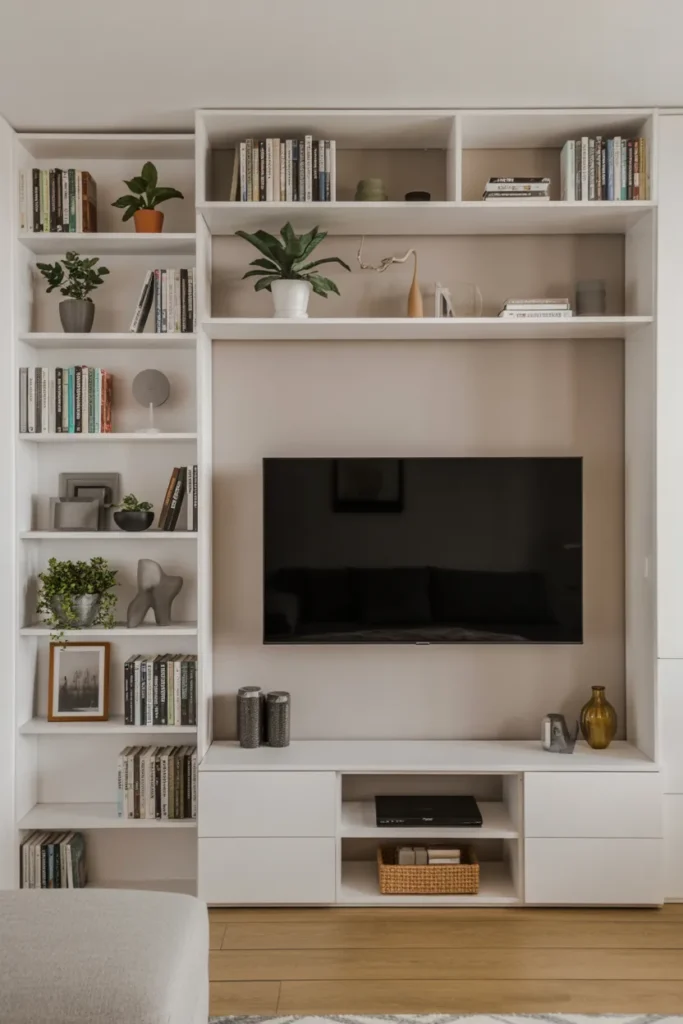
When floor space is limited, think vertically. Tall bookshelves, wall-mounted cabinets, and floating shelves utilize the vertical area without crowding the floor. This not only provides additional storage but also draws the eye upward, giving the impression of higher ceilings and more spacious surroundings. Using vertical space effectively allows you to store books, décor, and essentials neatly, freeing up the lower area for movement or seating. Walls can also host hooks or racks for items like hats, bags, or small plants, adding functionality while enhancing the room’s design.
In addition to storage, vertical décor elements can enhance visual interest. Artwork, tall mirrors, and hanging plants make the room feel taller and livelier. Consistently using vertical lines in furniture and accessories, such as vertical stripes or elongated shapes, can further amplify this effect. By thinking upward, small living rooms can feel well-organized, airy, and stylish without relying solely on floor space.
4. Incorporate Mirrors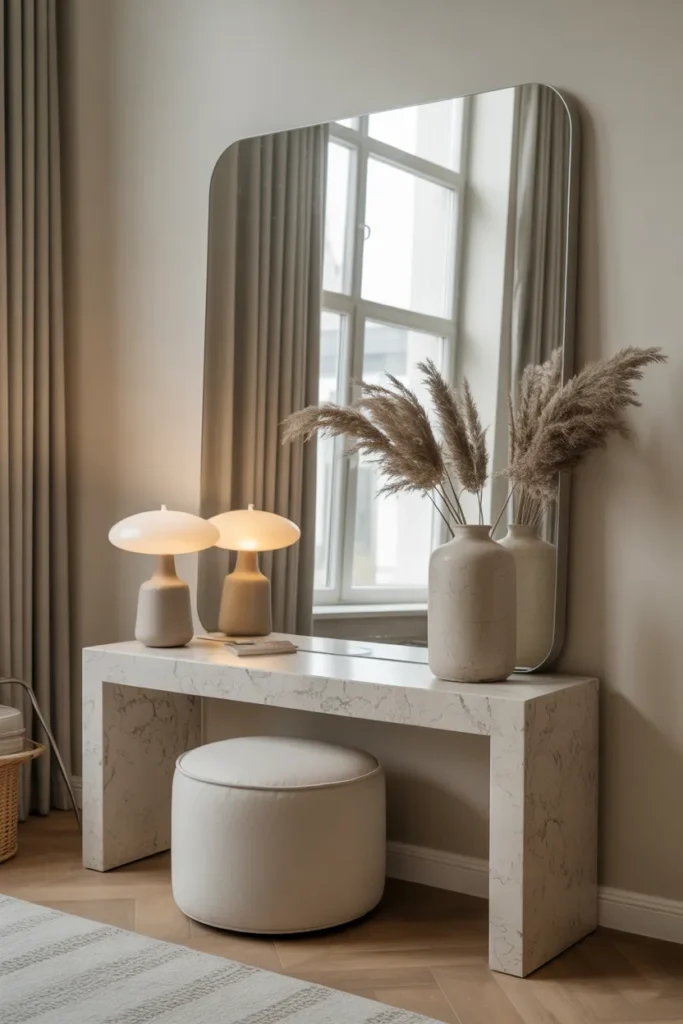
Mirrors are a powerful tool in small living rooms, creating an instant sense of openness. By reflecting natural light, they brighten the space and visually expand the room’s dimensions. Placing a large mirror opposite a window or near a light source maximizes this effect, making the living area appear bigger and airier. Mirrors can also act as a decorative element, adding elegance and depth without occupying additional floor space. Choosing a sleek or framed mirror that matches the room’s style ensures functionality blends seamlessly with décor.
Mirrors can also be used creatively in small areas. Multiple smaller mirrors arranged as a gallery wall or mirrored furniture pieces like side tables can further enhance the perception of space. Reflective surfaces complement light colors and minimalist design, making the living room feel airy and uncluttered. Strategically placed mirrors ensure your small space doesn’t feel confined while adding a stylish and modern touch.
5. Opt for Smart Lighting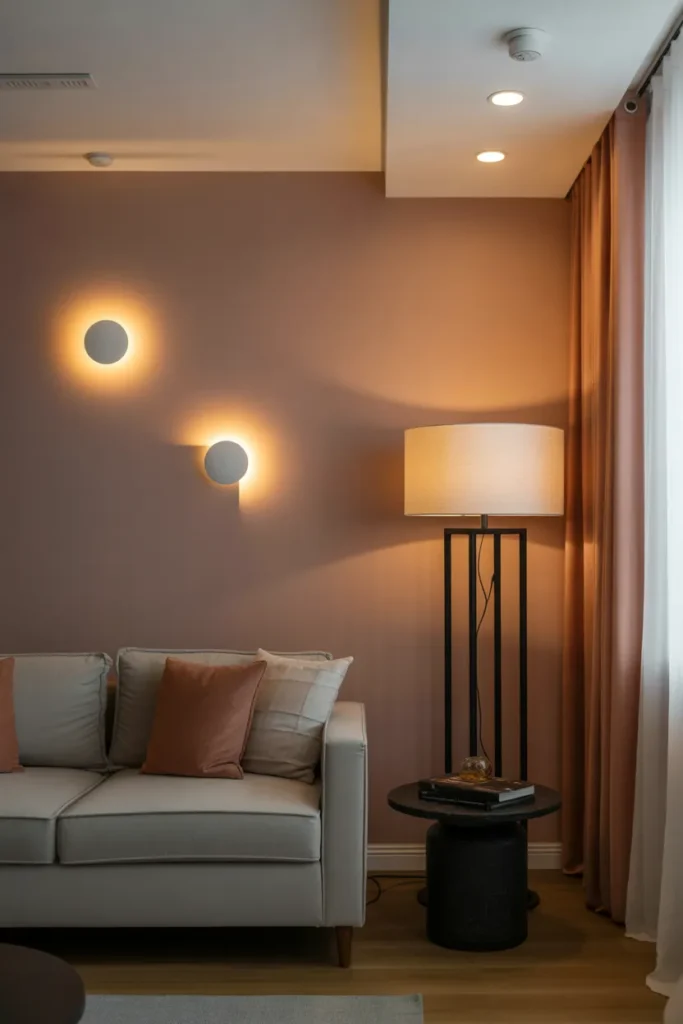
Good lighting is key in making a small living room feel spacious and welcoming. Layered lighting, including ceiling lights, floor lamps, and wall sconces, helps illuminate every corner, preventing shadows that can make the space feel cramped. Using warm, bright light enhances the room’s colors and textures while maintaining a cozy atmosphere. Adjustable lighting allows you to change the mood based on the time of day or activity, creating a flexible and functional living area. Properly lit rooms naturally feel larger, more open, and comfortable.
Besides overall illumination, accent lighting can highlight focal points and décor elements. LED strips under shelves, table lamps near seating areas, and spotlights on artwork create depth and visual interest. Combining natural light with artificial lighting ensures a balanced, airy ambiance. By investing in smart lighting solutions, even a small living room can feel vibrant, stylish, and welcoming while maximizing the perception of space.
Also view: 20 Living Room Ideas Fresh Looks for Every Style
6. Choose Sleek Furniture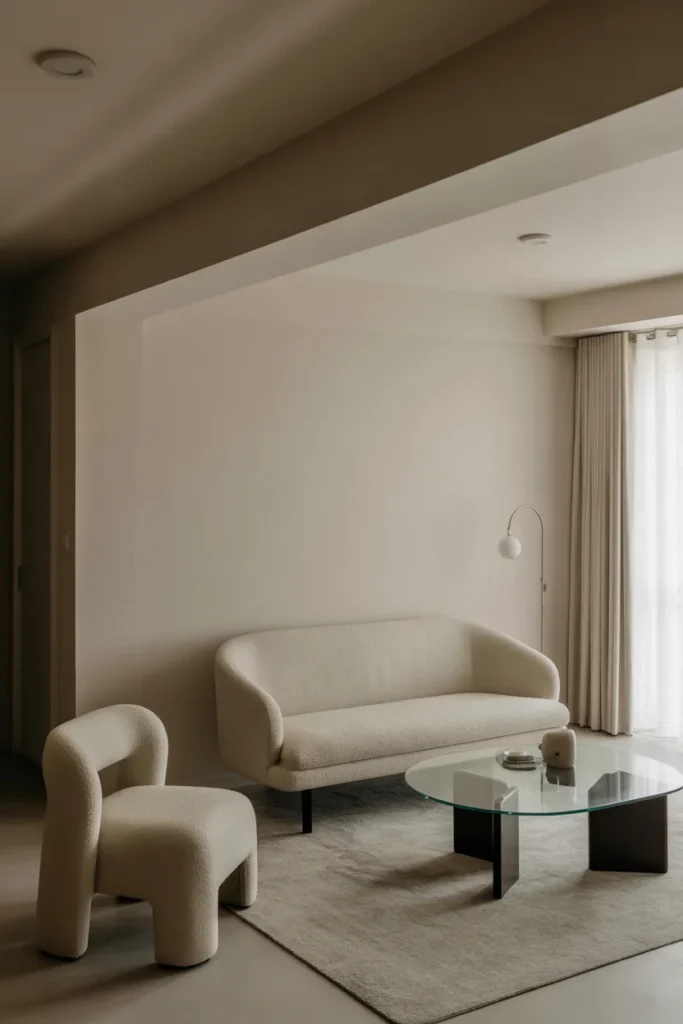
Sleek and low-profile furniture is perfect for small living rooms because it takes up less visual space while still being functional. Avoid bulky sofas or heavy armchairs, which can dominate a room and make it feel cramped. Opting for furniture with clean lines, thin legs, or transparent materials like glass and acrylic ensures the room appears open and airy. Slim furniture also allows for better movement, making the space more comfortable and versatile. Even a compact sofa paired with a minimal coffee table can provide enough seating without overpowering the room’s dimensions.
Another advantage of sleek furniture is its versatility. Pieces in neutral tones or simple designs blend with different décor styles, allowing you to change accents or accessories easily. Multi-legged chairs, open-frame sofas, and modular seating provide flexibility for rearranging the space. The goal is to maintain a balance between function and style, ensuring that every piece enhances the room without cluttering it. Sleek furniture combined with thoughtful décor creates a small living area that feels modern, open, and inviting.
7. Use Floating Shelves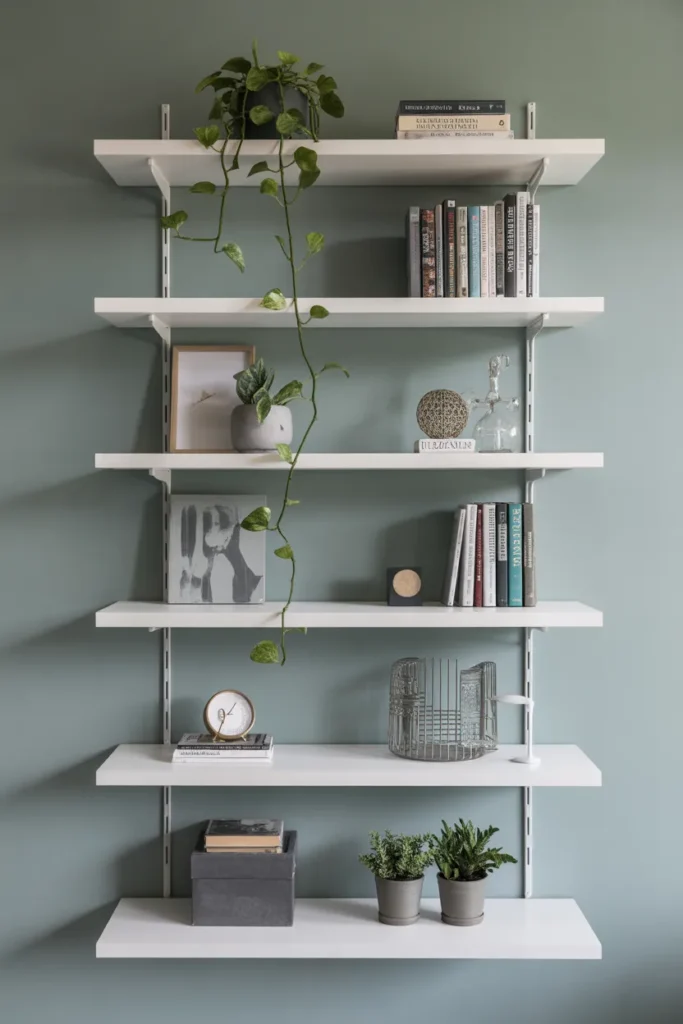
Floating shelves are an excellent solution for small living rooms because they provide storage and display areas without occupying floor space. By mounting shelves on walls, you can store books, décor, or essentials while keeping the area beneath free for walking or seating. Floating shelves also draw the eye upward, making ceilings feel taller and the room more spacious. They come in various sizes and styles, allowing you to mix practicality with design. Light-colored shelves complement neutral walls and add subtle texture without overwhelming the room’s visual flow.
Floating shelves also allow for creative styling. You can stagger shelves of different lengths, display small plants, or combine them with framed photos for a personalized look. Since they don’t block light or movement, these shelves help maintain an open atmosphere. Properly arranged floating shelves keep clutter off surfaces while contributing to a modern, organized, and airy feel. They’re an ideal choice for maximizing storage in compact spaces.
8. Add Mirrors Strategically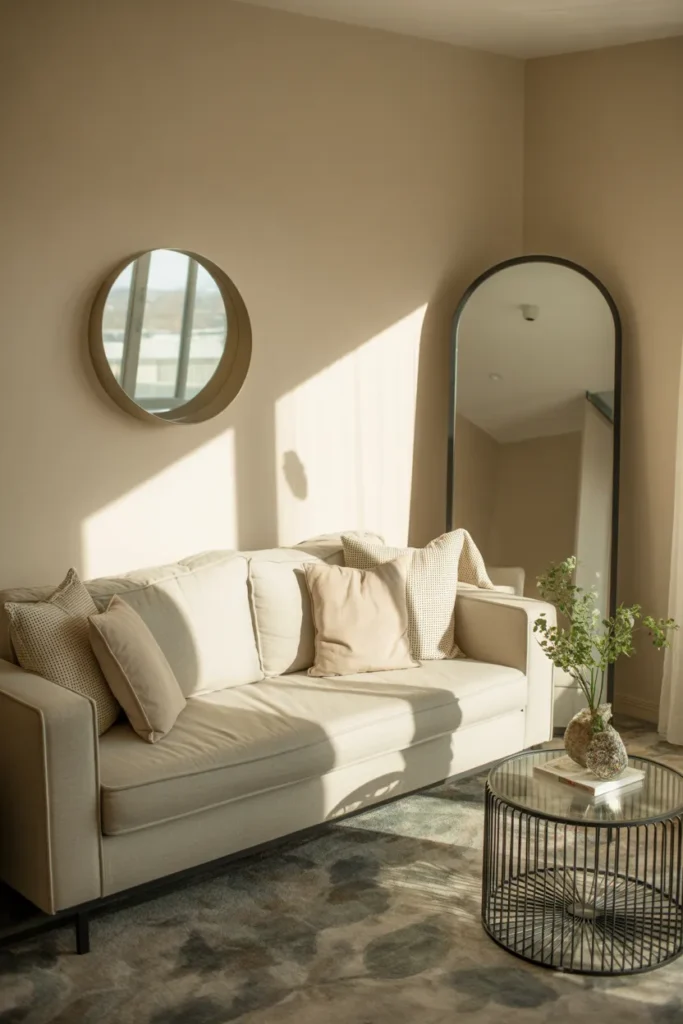
Mirrors are a classic trick to make small living rooms appear larger. Placing a large mirror on one wall reflects natural and artificial light, brightening the space and creating an illusion of depth. Mirrors also make rooms feel taller, especially when positioned vertically. You can choose a single statement mirror or a combination of smaller decorative ones to complement your décor. Reflective surfaces not only enhance light but also add sophistication and style without taking up floor space, making them ideal for compact living areas.
Strategic mirror placement can also highlight focal points. Positioning mirrors near windows amplifies sunlight, while mirrors opposite artwork or furniture enhance visual interest. Even mirrored furniture or small mirrored accents on shelves can expand the sense of space subtly. Combining mirrors with light-colored walls and minimalist furniture ensures a small living room feels airy, elegant, and inviting. Proper use of mirrors balances functionality and design perfectly.
9. Go for Compact Seating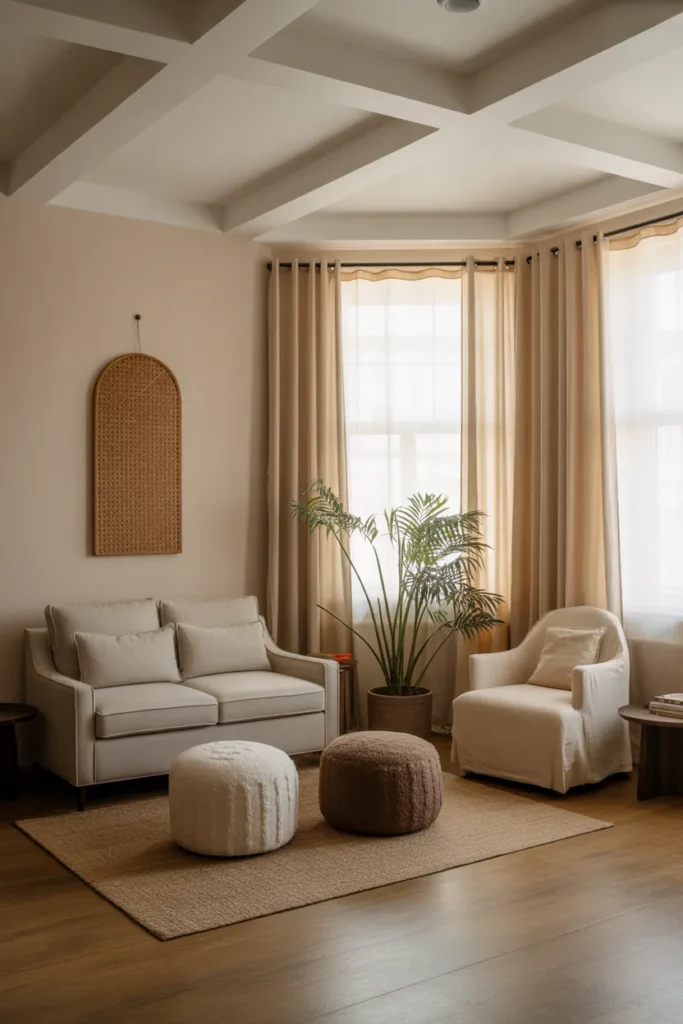
In small living rooms, compact seating is key to providing comfort without crowding the area. Loveseats, armless chairs, and small poufs offer flexible options for guests while keeping traffic flow open. Avoid oversized couches that dominate the space. Modular seating can also be rearranged based on needs, allowing for multiple layouts and optimal space use. Even a small sectional with a low profile can provide adequate seating without overwhelming the room. Choosing furniture scaled to the room’s dimensions ensures a cozy and functional environment.
Compact seating also allows for versatility in décor. You can add cushions, throws, or small side tables without making the room feel cluttered. Lightweight or movable pieces give the freedom to adjust seating as needed, perfect for social gatherings or quiet evenings. Prioritizing the right-sized furniture ensures every inch of space is usable while maintaining a stylish, inviting, and open feel. Thoughtful seating arrangements transform small living rooms into practical and comfortable areas.
10. Keep Clutter Out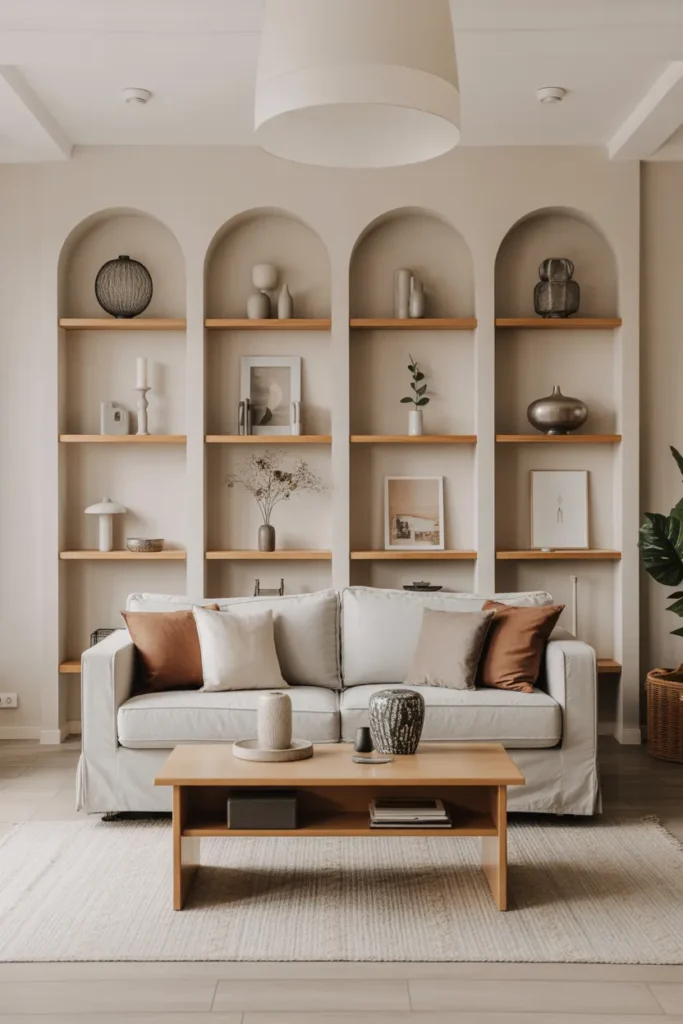
A clutter-free living room is essential for making small spaces feel larger. Avoid overcrowding surfaces with too many decorative items or knick-knacks. Instead, invest in storage solutions like baskets, hidden compartments, or cabinets to keep essentials organized. Clear surfaces and open floors create a sense of openness and calm, allowing the room to breathe. Regularly decluttering and only keeping what’s necessary prevents the space from feeling cramped and overwhelming, enhancing both functionality and style.
Minimalism doesn’t mean sacrificing personality. Choose a few statement décor pieces, like a vase, a piece of artwork, or a decorative lamp, to add character without crowding the room. By maintaining order and thoughtful placement of items, even the smallest living room can feel airy, elegant, and welcoming. A tidy, organized space not only looks spacious but also promotes relaxation and comfort for everyday living.
11. Use Light Curtains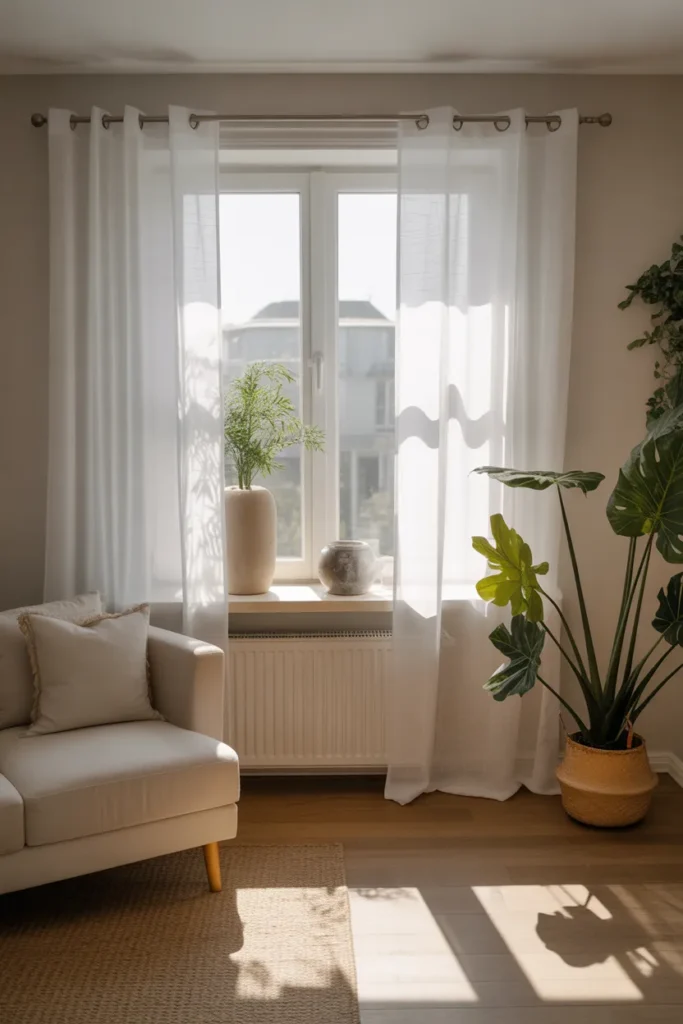
Light curtains are a simple way to make a small living room feel open and spacious. Heavy drapes can overwhelm compact spaces, while sheer or light-colored curtains allow natural light to flow freely, enhancing brightness and airiness. Choosing neutral or soft tones keeps the focus on the room’s décor and complements a light color palette. Floor-to-ceiling curtains can also create the illusion of taller ceilings, drawing the eye upward and making the room feel larger. Light curtains are both functional and stylish, providing privacy without sacrificing openness.
Curtains can also add subtle texture and softness. A delicate pattern or lightly textured fabric adds warmth and depth without cluttering the room visually. Layering a sheer curtain with a slightly thicker panel allows you to control light and privacy while keeping the room airy. By thoughtfully choosing window treatments, small living rooms feel cozy yet spacious, maximizing both functionality and design appeal.
12. Opt for Open Shelving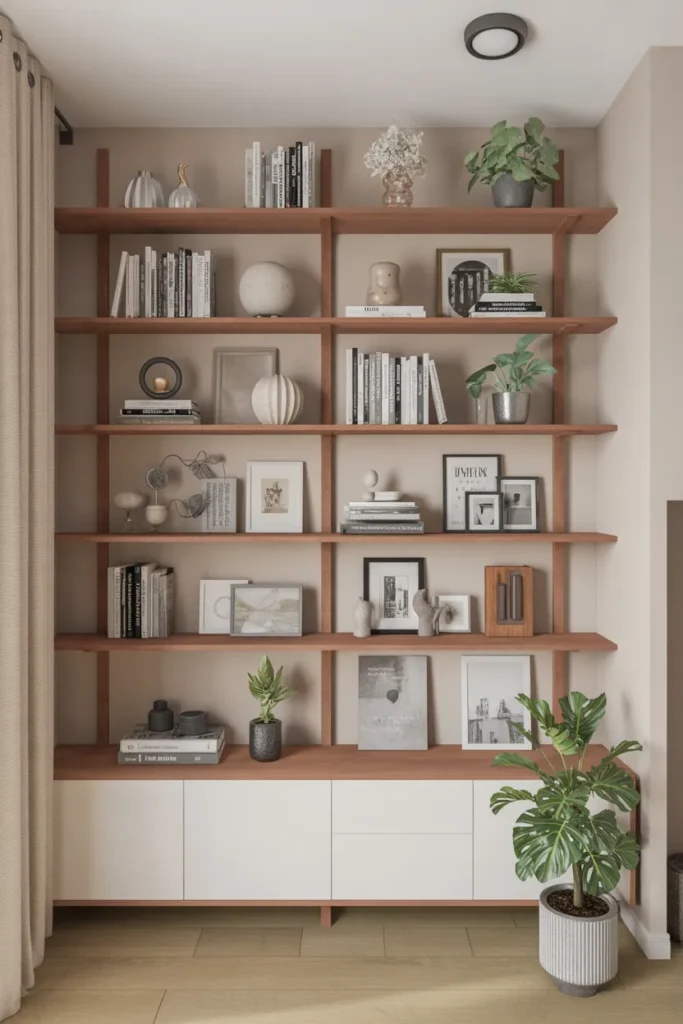
Open shelving is a smart solution for small living rooms because it provides storage and display without enclosing the space like bulky cabinets. Items stored on open shelves are visible and easily accessible, which adds personality while keeping the floor free. Choose a few decorative items or neatly arranged books to maintain a clean and uncluttered look. Open shelving works well above sofas, along walls, or in corners, maximizing vertical space and allowing you to display your favorite pieces without overwhelming the room.
The key to open shelving is organization and balance. Avoid overcrowding the shelves, as too many items can make the space look chaotic. Mixing decorative pieces with functional items, like baskets or boxes, maintains tidiness. Open shelving also draws the eye upward, enhancing perceived height and giving the small living room a modern, airy feel. With thoughtful placement, shelves combine practicality and style effortlessly.
13. Add a Rug to Define Space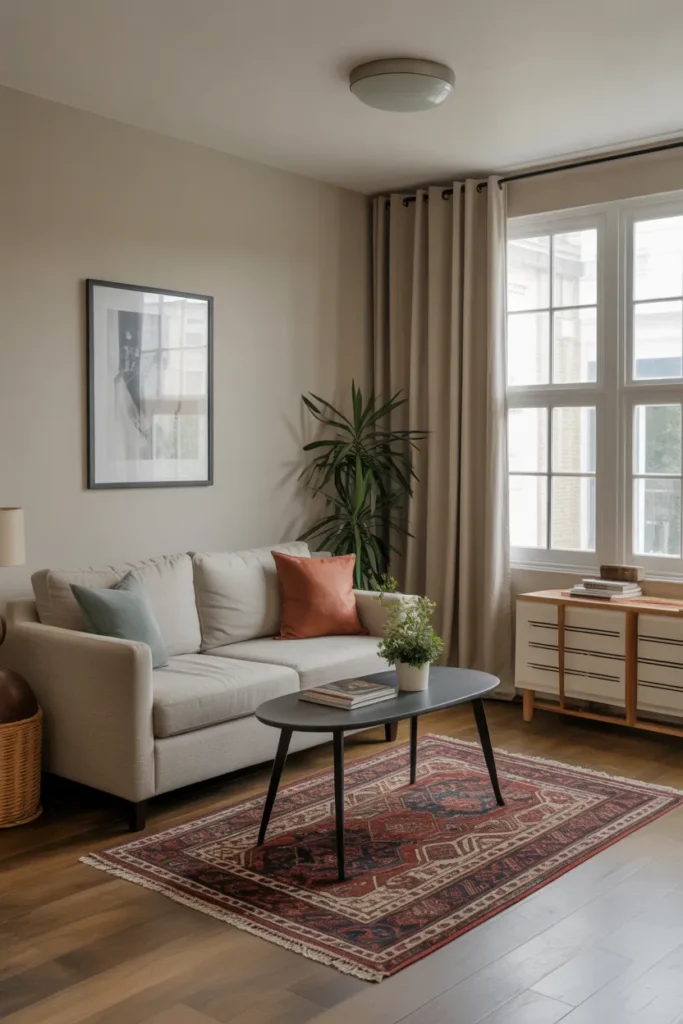
Rugs are a practical and stylish way to define areas in small living rooms. A well-chosen rug anchors furniture, creates a cozy zone, and adds warmth and texture. For compact spaces, opt for rugs that complement the room’s color palette and aren’t overly large, which could overwhelm the area. Rugs also visually separate seating zones from walkways, helping the space feel organized and intentional. Patterns and colors can introduce personality and style without cluttering the room, making the living area feel cohesive and inviting.
Rugs can also enhance the perception of space. Light or neutral-colored rugs with subtle patterns make the room appear larger, while layered rugs can add dimension without crowding. Placing rugs under main furniture pieces defines boundaries and creates visual balance. A strategically chosen rug combines comfort, style, and functionality, improving both aesthetics and spatial flow in a small living room.
14. Incorporate Plants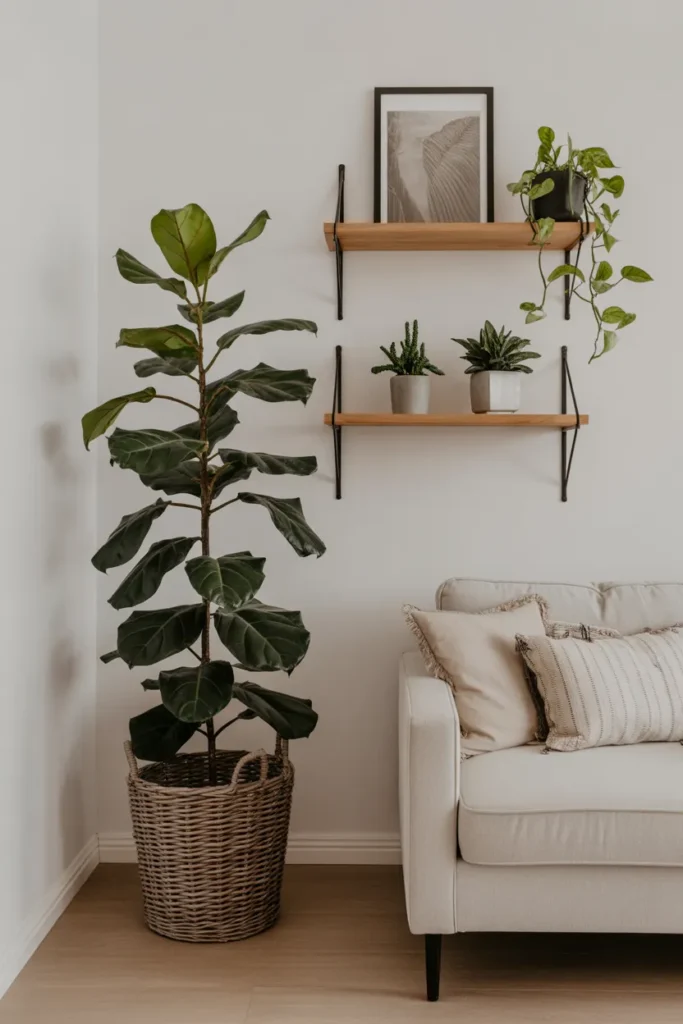
Plants are a natural way to bring life and freshness to a small living room. Vertical plants, corner plants, or hanging pots create greenery without taking up valuable floor space. Indoor plants not only improve air quality but also add color and texture, breaking up neutral tones and softening edges. Even a single statement plant can transform the room’s atmosphere, making it feel vibrant and welcoming. Smaller plants on shelves or tables add personality while keeping the space airy and uncluttered.
Plant placement matters for maximizing space. Tall, slim plants in corners utilize unused areas, while wall-mounted or hanging planters draw the eye upward. Grouping plants in odd numbers or varying heights adds visual interest without overwhelming the room. Thoughtful greenery balances functionality and design, bringing freshness and style to a small living room. Plants make even compact spaces feel lively, cozy, and inviting.
15. Keep Furniture Away from Walls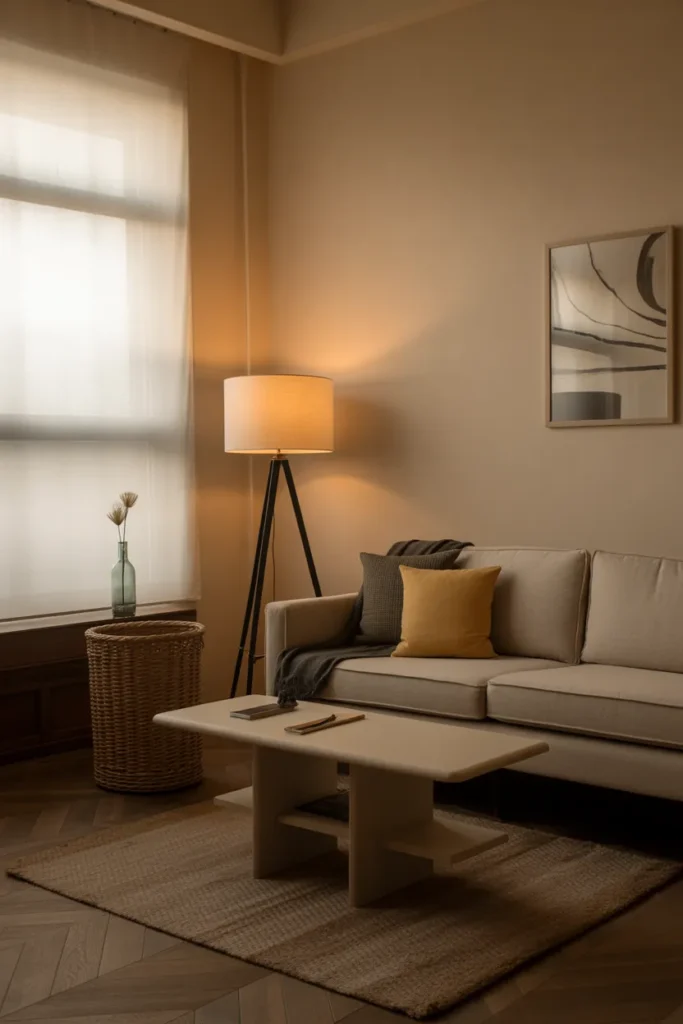
Pulling furniture slightly away from walls can create the illusion of a larger space in a small living room. This technique adds depth and allows air and light to flow more freely, making the room feel less confined. Arranging furniture in conversational groupings rather than lining everything against the walls enhances comfort and accessibility. Even small gaps between pieces of furniture help define the space, making it visually balanced and functional while maintaining a cozy, inviting layout.
This approach also allows flexibility in placement. Moving furniture away from walls makes it easier to incorporate rugs, lighting, or side tables without crowding. It encourages natural pathways and improves traffic flow, ensuring the space feels open and accessible. A well-spaced arrangement transforms a small living room into a welcoming, practical, and aesthetically pleasing area, maximizing every inch efficiently.
16. Add a Statement Light Fixture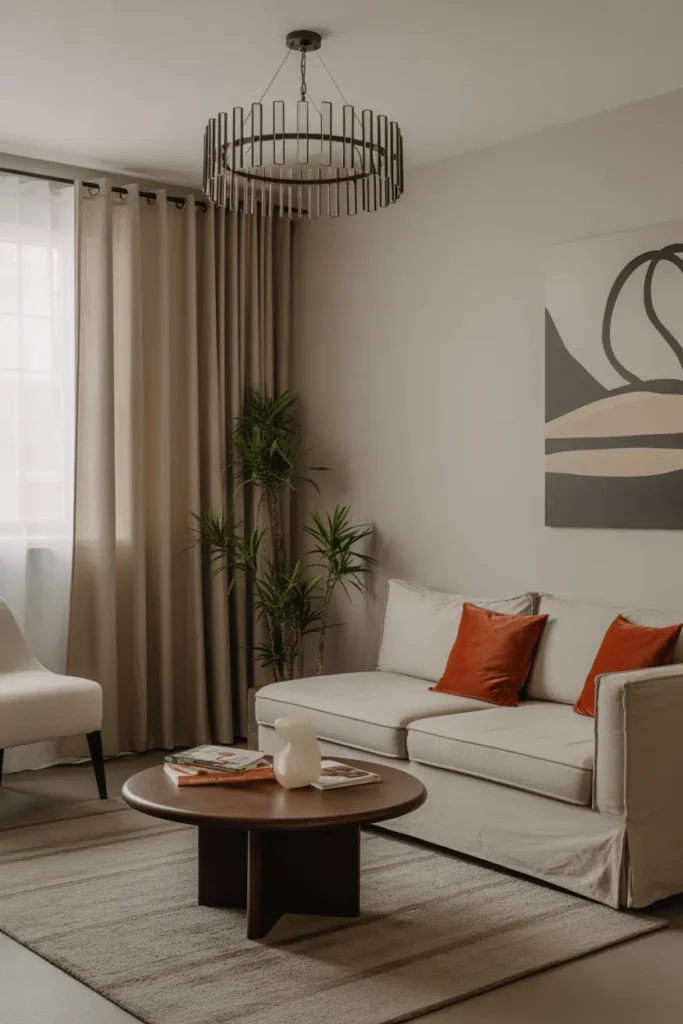
A statement light fixture can transform a small living room by adding style and creating a focal point. Chandeliers, pendant lights, or unique ceiling lamps draw attention upward, which makes the room feel taller and more spacious. Choosing a piece with clean lines or a modern design complements minimalist décor, preventing the space from feeling crowded. Statement lighting also adds personality, allowing the small living room to feel curated and intentional. Properly scaled lighting ensures the fixture enhances the room without overwhelming it, creating a balance between functionality and style.
Lighting also affects the room’s ambiance. Combining a statement fixture with secondary lighting like floor lamps or wall sconces ensures every corner is well-lit. Layered lighting enhances depth, highlights key areas, and adds warmth to the living room. A thoughtfully chosen light fixture can become both a decorative element and a functional centerpiece, elevating the small space without sacrificing openness.
17. Use Transparent Furniture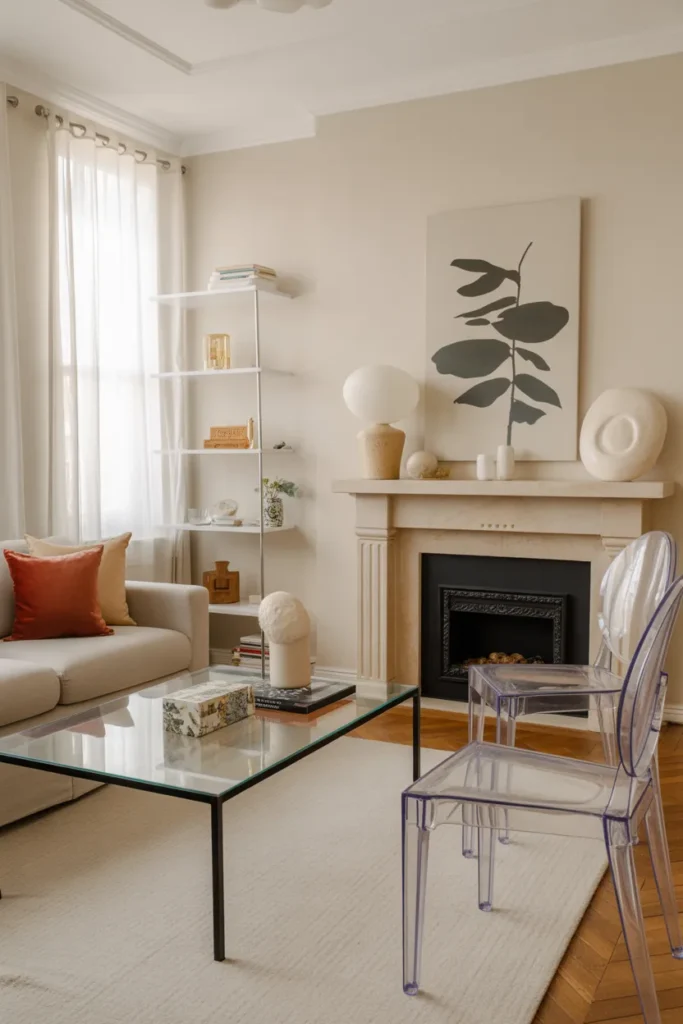
Transparent furniture, such as glass or acrylic tables and chairs, is ideal for small living rooms because it visually takes up less space. Unlike bulky solid pieces, see-through furniture maintains openness while still being functional. A glass coffee table allows rugs or flooring to be visible underneath, making the room feel larger. Acrylic chairs or stools add seating without blocking sightlines, keeping the space airy and unobstructed. These pieces blend seamlessly with any color palette or décor style, making them versatile and practical for compact living areas.
Transparent furniture also pairs well with minimalist designs. Combining it with soft-toned sofas and light walls enhances the illusion of space. Its reflective qualities can amplify natural or artificial light, further brightening the room. Using a mix of transparent and slim furniture ensures functionality while keeping a small living room visually uncluttered, stylish, and open.
18. Add Wall Art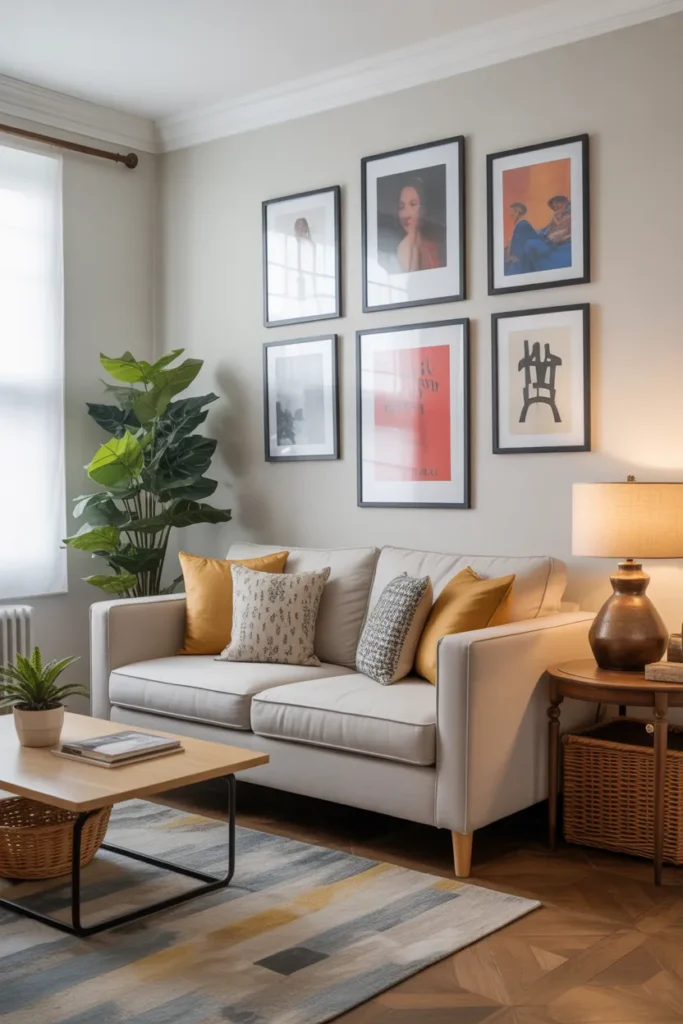
Wall art is an easy way to personalize a small living room while keeping the floor clear. Framed prints, paintings, or canvases create visual interest and add character without cluttering the space. A gallery wall or single large piece draws the eye upward, enhancing the perception of height and dimension. Art can also tie together a room’s color palette, complementing furniture and accessories. Even in compact spaces, wall décor allows for creative expression, turning a simple living room into a stylish, inviting area.
Choosing and arranging wall art thoughtfully ensures balance. Avoid overcrowding the wall or using pieces that are too dark or heavy, which may make the room feel cramped. Opt for lighter frames or cohesive colors that harmonize with the overall décor. Wall art becomes a focal point, adding depth, style, and personality while maintaining an open, airy feel in a small living room.
19. Keep Pathways Clear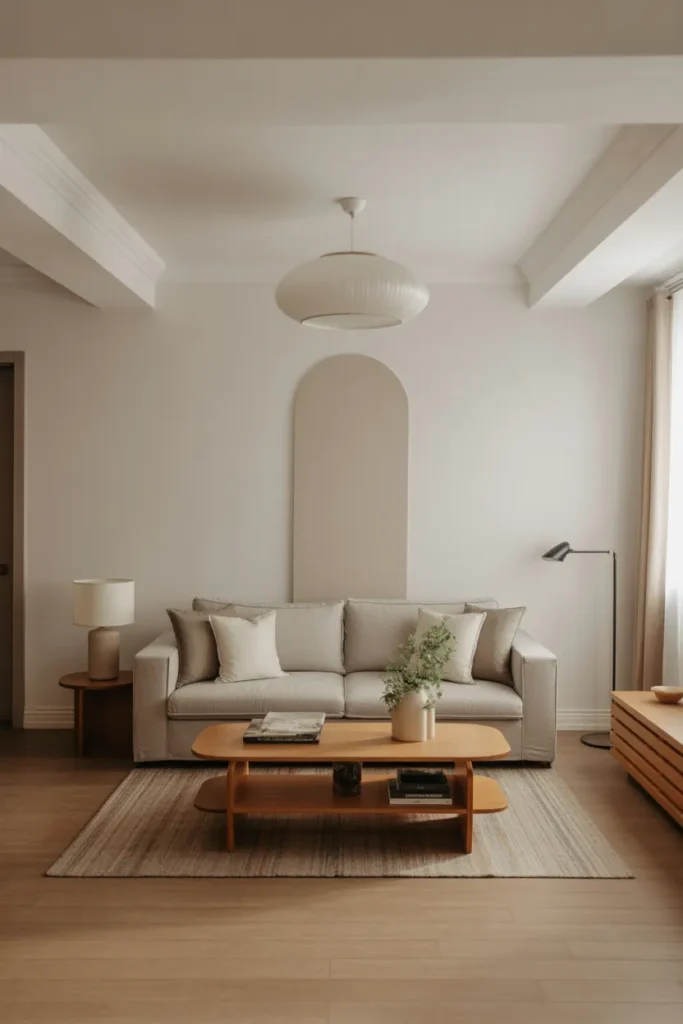
Maintaining clear pathways is crucial in small living rooms. Avoid blocking walkways with furniture or décor, as cluttered paths can make the space feel cramped and difficult to navigate. Even a narrow living area benefits from a thoughtful layout that allows easy movement around seating, tables, and storage. Keeping pathways open ensures functionality, improves flow, and enhances comfort. Visual openness also gives the impression of a larger space, creating a balanced and inviting environment for daily living or entertaining guests.
Clear pathways also encourage smart furniture placement. Arranging seating in L-shapes, floating pieces slightly from walls, and using compact tables ensures space is usable and accessible. This approach highlights the room’s dimensions and prevents overcrowding. Maintaining openness allows natural light to travel freely, making the small living room feel airy, organized, and welcoming while maximizing every inch efficiently.
20. Opt for Minimal Accessories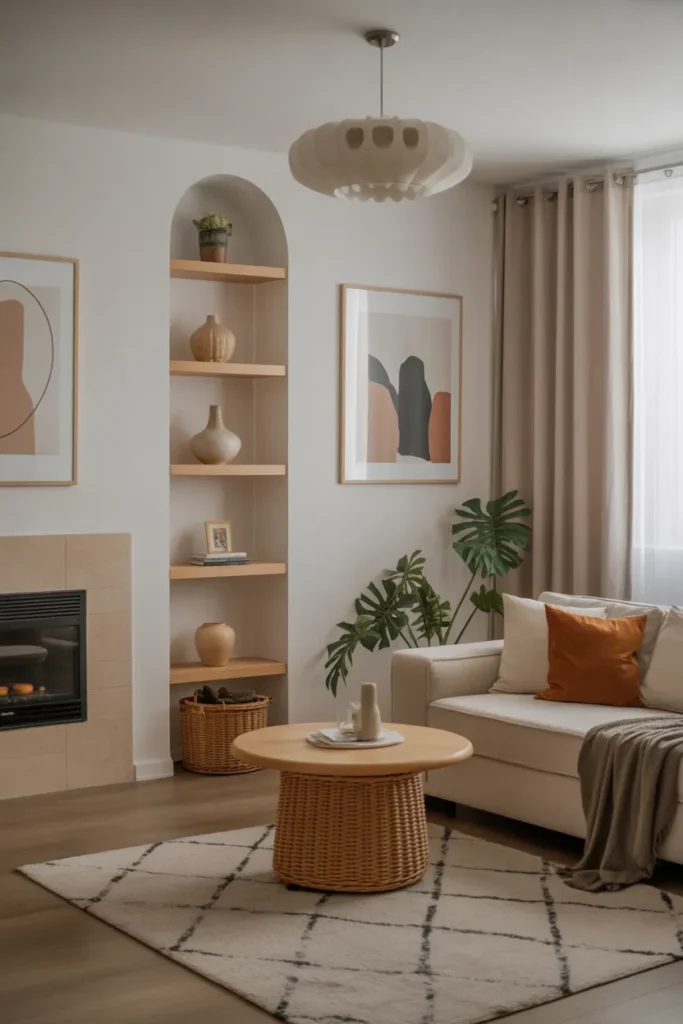
Minimal accessories are essential for a small living room to prevent visual clutter. Instead of filling every surface with decorations, choose a few statement pieces that reflect your style and complement the room’s color palette. Simple vases, a decorative tray, or a couple of framed photos can add personality without overwhelming the space. By limiting accessories, you create breathing room for furniture and pathways, making the room appear larger and more organized. A minimal approach ensures the living area remains functional, cozy, and stylish.
Minimalism also allows flexibility in styling. Rotating a few accessories seasonally or grouping items in odd numbers creates visual interest while keeping the space open. This strategy emphasizes quality over quantity, allowing each piece to stand out and contribute to the overall design. Thoughtfully chosen minimal décor makes a small living room feel harmonious, airy, and aesthetically appealing.
21. Choose Foldable or Stackable Furniture
Foldable and stackable furniture is a smart solution for small living rooms, especially when you need flexibility. Chairs, tables, or stools that can be folded or stacked free up floor space when not in use, making the room feel larger and more organized. These pieces are perfect for accommodating extra guests without overcrowding the area. Lightweight and portable furniture allows you to rearrange the room easily, adapting it to different activities, such as relaxing, working, or entertaining. Choosing stylish foldable designs ensures functionality doesn’t compromise the overall aesthetic.
Stackable and foldable furniture also adds versatility to compact living spaces. You can create a clean, open floor when needed or bring the furniture out for additional seating during gatherings. Combining these pieces with minimal décor and low-profile furniture enhances flow and maintains a visually spacious environment. Smart furniture choices like these maximize usability while keeping the small living room tidy, flexible, and stylish, making the most of every inch of space.
Conclusion :
A small living room doesn’t have to feel cramped or cluttered. By using space-saving furniture, keeping pathways clear, incorporating light colors, and thoughtfully arranging décor, you can create a stylish and functional space. Simple changes like mirrors, plants, rugs, and minimal accessories enhance both comfort and visual appeal. Implementing these 24 tips ensures your compact living area feels airy, organized, and inviting. With careful planning and smart design choices, even the smallest living rooms can become practical, cozy, and beautifully decorated spaces.