16 Sunroom Addition Off Living Room for Bright Homes
A sunroom addition off living room spaces changes how a whole house feels. You gain a bright room that pulls daylight deep into the home, and the living room next to it feels bigger overnight. I think it is the single best addition for houses that feel dark in the middle of the day. Glass walls do what no lamp can.
I visited a friend last spring whose new sunroom sits right off her living room. She told me the family now eats breakfast there every morning and the kids do homework in the afternoon sun. Before the addition, that corner of the house was dead space. Now it is where everyone lands.
You get 16 ideas below, from glass-enclosed builds to simple styling upgrades. A full sunroom addition costs roughly 15,000 to 60,000 dollars depending on size and whether it is three-season or four-season, and prices vary by region and contractor. Styling-only ideas cost a few hundred dollars and take a weekend. Every idea notes the budget level and one honest warning.
Start with how you will use the room. A dining sunroom needs different furniture than a reading nook. Pick the purpose first, then choose the ideas that fit your plan and your budget.
This post contains affiliate links. If you buy through them, I may earn a small commission at no extra cost to you.
1. Glass-Enclosed Sunroom Off the Living Room

A fully glass-enclosed sunroom addition off living room walls gives you the brightest possible space. Floor-to-ceiling windows on three sides pull in light from every angle, and the living room behind it borrows that glow. A basic aluminum-frame glass enclosure runs roughly 15,000 to 30,000 dollars for a 200-square-foot room, and prices vary by glass type.
Choose the glass: Pick double-pane low-E glass to cut heat gain in summer and heat loss in winter. Tempered glass is required by code for panels near doors and low windows. One honest warning: glass rooms overheat fast, so budget for shades or a ceiling fan from the start.
Connect the rooms: Use the same flooring in both rooms and a wide cased opening so the spaces flow together. This suits homes where the living room feels dark, and it works best on south or east-facing walls for morning light.
- Get three contractor quotes before signing.
- Check local permits; most areas require them.
- Plan for gutters above the new roofline.
Shop This Look
2. Cozy Lounge Sunroom Extension

A cozy lounge setup turns the sunroom addition into a second living room. Deep sofas, soft throws, and a low coffee table make it the spot everyone fights over. Furnishing a lounge sunroom costs roughly 1,500 to 4,000 dollars depending on furniture quality, and prices vary by brand. This is a styling project, not construction.
Layer the comfort: Start with an indoor-outdoor rug, add a slipcovered sofa and two chairs, then pile on washable throw pillows. Use outdoor-rated fabrics so sun does not fade them in one season. One honest warning: dark fabrics show dust in bright light, so pick mid-tones or patterns.
Add warmth: A small electric fireplace or a set of large candles makes the room usable on cool evenings. This suits families who need more hangout space, and it works well in four-season sunrooms used year-round.
- Choose fade-resistant Sunbrella-type fabrics.
- Anchor rugs with non-slip pads on tile.
- Keep a throw basket for chilly mornings.
Shop This Look
| SEAT | THROW | RUG |
|---|---|---|
| Slipcovered Sofa For Sunroom | Washable Throw Blanket | Indoor Outdoor Area Rug |
| Shop → | Shop → | Shop → |
3. Modern Minimalist Sunroom Addition

A modern minimalist sunroom addition keeps everything simple: clean lines, neutral colors, and very little clutter. The glass architecture does the decorating, so furniture stays quiet. A minimalist furnishing plan costs roughly 1,000 to 3,000 dollars, and prices vary by piece count. Less furniture also means less fading to worry about.
Edit hard: Pick one sofa, one chair, and one table, then stop. Choose pieces with slim profiles so sight lines stay open to the garden. One honest warning: minimal rooms show dirt fast, so commit to a quick daily sweep or the calm vibe breaks.
Warm it slightly: Add one textured throw and a single large plant so the room does not feel cold. This suits modern homes and anyone who finds busy rooms stressful, and it works well in small sunrooms where clutter shrinks the space.
- Stick to 3 colors maximum.
- Hide remotes and clutter in one lidded basket.
- Use cord covers for lamp wires.
Shop This Look
| CHAIR | TABLE | BASKET |
|---|---|---|
| Modern Accent Chair Neutral | Minimalist Side Table | Lidded Storage Basket |
| Shop → | Shop → | Shop → |
4. Sunroom with Indoor Plants

A sunroom addition off living room areas is the best spot in the house for indoor plants. Bright indirect light suits most houseplants, and the humidity from daily watering keeps them happy. Setting up a plant collection costs roughly 100 to 400 dollars for plants and pots, and prices vary by plant size. Start small and add over time.
Group by need: Put sun-lovers like succulents near the glass and shade-tolerant ferns further back. Use pots with drainage holes and saucers to protect floors. One honest warning: overwatering kills more sunroom plants than underwatering, so check soil moisture before every watering.
Go vertical: Add a tiered plant stand or hanging planters to use height without crowding the floor. This suits plant lovers and anyone who wants the sunroom to feel like a greenhouse, and it works well in rooms with strong light all day.
- Rotate pots monthly for even growth.
- Dust leaves so they absorb light well.
- Quarantine new plants for two weeks.
Shop This Look
| POT | STAND | TOOL |
|---|---|---|
| Ceramic Plant Pots With Drainage | Tiered Plant Stand Indoor | Moisture Meter For Plants |
| Shop → | Shop → | Shop → |
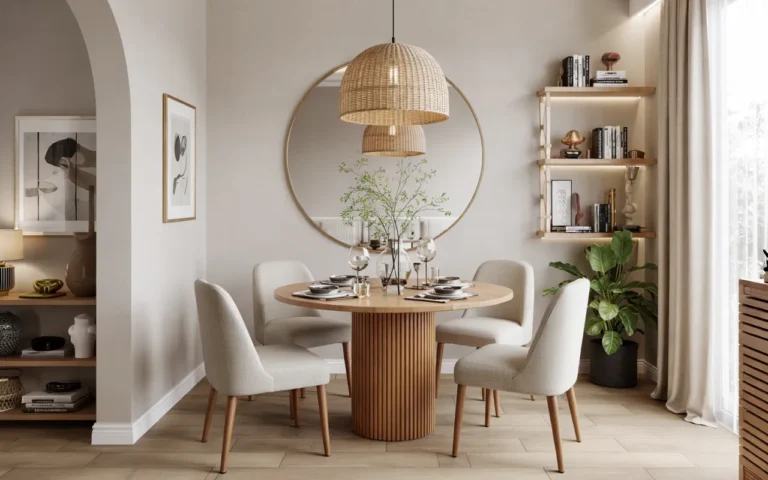
5. Sunroom Dining Area Off the Living Room

Moving the dining table into the sunroom addition frees the living room and gives meals a view. Morning coffee tastes better in sunlight, and dinner guests love the glow. A sunroom dining setup costs roughly 800 to 2,500 dollars for table and chairs, and prices vary by material. This works best when the kitchen is nearby.
Size it right: Allow 36 inches around the table for chairs to pull out. A 48-inch round table seats 6 and fits most sunrooms better than a long rectangle. One honest warning: wood tables fade unevenly under placemats, so use a tablecloth or rotate the table yearly.
Light it well: Hang a pendant or chandelier rated for damp locations over the table for evening meals. This suits families who entertain, and it works well in four-season sunrooms used for holiday dinners.
- Use outdoor-rated cushions on dining chairs.
- Keep a sideboard for serving dishes nearby.
- Choose a rug that extends past chair legs.
Shop This Look
| TABLE | LIGHT | RUG |
|---|---|---|
| Round Dining Table 48 Inch | Outdoor Pendant Light | Washable Dining Room Rug |
| Shop → | Shop → | Shop → |
6. Sunroom with Sliding Glass Doors

Sliding glass doors between the living room and sunroom addition give you control over the connection. Open them wide for one big space, or close them to keep heat or noise separate. A quality sliding door unit runs roughly 1,500 to 4,000 dollars installed, and prices vary by size and glass type.
Pick the track: Choose a multi-slide or pocket door that disappears into the wall for the widest opening. Check that the track sits flush with the floor so nobody trips. One honest warning: sliding tracks collect dirt fast, so vacuum the track monthly or the door starts sticking.
Dress the glass: Add sheer curtains on a ceiling track for privacy without blocking light. This suits open-plan homes and anyone who wants flexible indoor-outdoor living, and it works well where the sunroom opens to a deck beyond.
- Lubricate tracks twice a year.
- Install a door lock for security.
- Use tempered glass for safety.
Shop This Look
| CURTAIN | TRACK | LOCK |
|---|---|---|
| Sheer Curtains For Sliding Door | Ceiling Curtain Track Kit | Sliding Door Security Lock |
| Shop → | Shop → | Shop → |
7. Sunroom with Skylight Ceiling

A skylight ceiling floods the sunroom addition with overhead light that windows alone cannot match. Rain on the glass sounds wonderful, and stargazing from the sofa is a bonus. Adding skylights runs roughly 1,000 to 3,000 dollars per unit installed, and prices vary by size and whether they open.
Vent the heat: Choose operable skylights that open for airflow, since heat rises and collects at the ceiling. Add remote-controlled blinds for summer afternoons. One honest warning: skylights can leak if flashing fails, so hire a roofer with skylight experience, not a general handyman.
Shade smartly: Honeycomb skylight shades trap air and cut heat gain noticeably. This suits stargazers and plant lovers who want maximum light, and it works best in rooms with high ceilings where the skylight feels dramatic.
- Clean exterior glass twice a year.
- Check seals every fall before rain season.
- Use laminated glass to block UV.
Shop This Look
| BLIND | SEAL | CLEAN |
|---|---|---|
| Skylight Blinds Blackout | Skylight Sealant Waterproof | Telescoping Window Cleaner |
| Shop → | Shop → | Shop → |
8. Sunroom with Wicker Furniture

Wicker furniture is the classic sunroom choice for a reason: it looks right in bright light and handles humidity well. Natural rattan or resin wicker both work, with resin lasting longer in direct sun. A wicker seating set costs roughly 800 to 2,000 dollars, and prices vary by piece count and weave quality.
Pick resin for sun: All-weather resin wicker resists fading and cracking far better than natural rattan in sunny rooms. Check that the frame is powder-coated aluminum, not steel, so it never rusts. One honest warning: cheap wicker unravels within two years, so buy from established brands with warranties.
Cushion it well: Thick solution-dyed acrylic cushions make wicker comfortable for long sits. This suits traditional and coastal sunrooms, and it works well for anyone who wants that timeless conservatory look.
- Hose down resin wicker monthly.
- Store cushions indoors in heavy rain.
- Tighten frame bolts yearly.
Shop This Look
| SET | CUSHION | CARE |
|---|---|---|
| Resin Wicker Patio Set | Outdoor Cushions Fade Resistant | Wicker Furniture Cleaner |
| Shop → | Shop → | Shop → |
9. Sunroom Reading Nook

A reading nook in the sunroom addition needs just one good chair, one good lamp, and one small table. Natural light is perfect for reading, and the garden view beats any wall art. Setting up a nook costs roughly 300 to 800 dollars, and prices vary by chair quality. This is the cheapest idea on the list.
Place the chair: Angle the chair toward the window but not directly facing the sun, so pages do not glare. Add a floor lamp with a warm bulb for evening reading. One honest warning: direct sun fades book covers fast, so keep the bookshelf out of the sunbeam path.
Make it cozy: A soft throw and a footstool turn 20 minutes of reading into two hours. This suits book lovers and introverts who want a personal retreat, and it works well in a quiet corner of a larger sunroom.
- Pick a chair with good back support.
- Keep a small basket for current reads.
- Use a timer so you do not lose track of time.
Shop This Look
| CHAIR | LAMP | THROW |
|---|---|---|
| Comfortable Reading Chair | Arc Floor Lamp For Reading | Soft Throw Blanket For Chair |
| Shop → | Shop → | Shop → |
10. Sunroom with Panoramic Views

Designing the sunroom addition around panoramic views means keeping everything low and clear. Minimal window frames, no tall furniture blocking sight lines, and glass corners where possible. The view becomes the decoration, which saves on styling costs. Structural glass work adds roughly 5,000 to 15,000 dollars over standard windows, and prices vary by engineering needs.
Frame the view: Keep furniture below window-sill height along the glass walls. Use low-profile seating so nothing blocks the landscape. One honest warning: panoramic glass needs frequent cleaning to look good, so budget for a window cleaning routine or service.
Control the glare: Motorized shades that drop at midday protect both eyes and furniture. This suits homes with beautiful gardens or landscapes, and it works best where the view is genuinely worth framing.
- Clean glass monthly for clear views.
- Trim outdoor plants that block sight lines.
- Use low-iron glass for truer colors.
Shop This Look
| SHADE | CLEAN | SEAT |
|---|---|---|
| Motorized Window Shades | Professional Window Cleaning Kit | Low Profile Accent Chair |
| Shop → | Shop → | Shop → |
11. Sunroom with Fireplace

A fireplace makes the sunroom addition usable deep into fall and winter. An electric or gas unit adds warmth without the venting hassle of wood. Installing a fireplace runs roughly 1,500 to 5,000 dollars depending on type, and prices vary by fuel and surround. It becomes the natural focal point of the room.
Go electric for ease: Electric fireplaces need only an outlet and produce no emissions, which suits glass rooms well. Mount it on the interior wall shared with the living room for the simplest install. One honest warning: check your electrical panel capacity before adding a high-wattage unit.
Style the mantel: A simple wood beam mantel with a mirror above reflects light beautifully. This suits anyone who wants year-round use from their sunroom, and it works well in four-season additions.
- Keep furniture 3 feet from the unit.
- Use a surge protector for electric models.
- Clean the glass front monthly.
Shop This Look
| HEAT | MANTEL | GUARD |
|---|---|---|
| Electric Fireplace With Mantel | Wood Beam Mantel Shelf | Fireplace Surge Protector |
| Shop → | Shop → | Shop → |
12. Sunroom with Breakfast Nook

A breakfast nook in the sunroom addition gives slow mornings a dedicated spot. A small round table with two to four chairs fits even modest sunrooms. A nook setup costs roughly 400 to 1,200 dollars, and prices vary by table material. It keeps the main dining area free for bigger meals.
Tuck it in a corner: Place the nook in the sunniest corner, ideally with windows on two sides. A pedestal table base leaves more legroom than four legs in tight spots. One honest warning: morning sun fades table finishes, so use placemats or a washable tablecloth daily.
Add a banquette: A built-in bench along one wall seats more people in less space and adds storage inside. This suits couples and small families who eat breakfast together, and it works well in sunrooms too small for a full dining set.
- Choose wipeable chair fabrics.
- Keep a small trash bin nearby for peels.
- Use a rug that handles crumbs well.
Shop This Look
| TABLE | CHAIR | CLOTH |
|---|---|---|
| Small Round Breakfast Table | Wipeable Dining Chairs Set | Washable Tablecloth Round |
| Shop → | Shop → | Shop → |
13. Sunroom with Daybed Seating

A daybed in the sunroom addition works as a sofa by day and a guest bed by night. It is perfect for afternoon naps in the sun and overflow sleeping when family visits. A good daybed setup costs roughly 500 to 1,500 dollars with mattress and bedding, and prices vary by frame style.
Pick the mattress: Use a firm twin mattress, not a soft one, so it works for sitting. Add a trundle underneath for a second sleeper without taking more floor space. One honest warning: sun fades bedding fast, so choose washable covers in fade-friendly colors.
Pile the pillows: Layer sleeping pillows behind large Euro shams so it reads as a sofa. This suits homes that host overnight guests, and it works well in sunrooms that double as guest rooms.
- Use a mattress protector against humidity.
- Rotate the mattress every 3 months.
- Keep spare sheets in a nearby basket.
Shop This Look
| BED | MATTRESS | PILLOW |
|---|---|---|
| Daybed Frame With Trundle | Firm Twin Mattress For Daybed | Euro Sham Pillows Set |
| Shop → | Shop → | Shop → |
14. Sunroom with Entertainment Area

An entertainment area in the sunroom addition gives movie nights a glass-walled upgrade. A wall-mounted TV, a compact media console, and comfortable seating turn it into a second family room. A basic setup costs roughly 1,000 to 3,000 dollars, and prices vary by screen size and sound system.
Beat the glare: Mount the TV on the interior wall shared with the living room, never on glass. Choose a TV with high brightness (800 nits or more) for daytime viewing. One honest warning: heat and humidity shorten electronics life, so this works best in climate-controlled four-season rooms.
Hide the wires: Run cables through the wall during construction, or use paintable cord channels after. This suits families who want a casual second TV room, and it works well for sports viewing with friends.
- Use blackout shades for movie nights.
- Pick outdoor-rated speakers for humidity.
- Keep remotes in one caddy.
Shop This Look
| MOUNT | SHADE | SOUND |
|---|---|---|
| TV Wall Mount Full Motion | Blackout Shades For Sunroom | Outdoor Rated Bluetooth Speakers |
| Shop → | Shop → | Shop → |
15. Sunroom with Neutral Minimalist Style

Neutral minimalist styling keeps the sunroom addition calm and timeless. Beige, white, gray, and wood tones let the outdoor view provide all the color. A neutral furnishing plan costs roughly 1,200 to 3,500 dollars, and prices vary by furniture grade. Neutrals also hide sun fading better than bold colors.
Layer textures: Mix linen, wool, jute, and wood so the neutrals do not feel flat. A jute rug under a linen sofa with wool throws gives depth without color. One honest warning: all-white rooms show every speck, so lean warm beige and greige instead of stark white.
Add one contrast: A single black or dark wood piece grounds the room and keeps it from floating away. This suits calm households and modern homes, and it works well when the garden outside is the real star.
- Wash slipcovers seasonally.
- Use trays to corral small items.
- Pick performance fabrics for easy cleaning.
Shop This Look
| RUG | THROW | TRAY |
|---|---|---|
| Neutral Jute Area Rug | Wool Throw Blanket Neutral | Decorative Tray For Coffee Table |
| Shop → | Shop → | Shop → |
16. Sunroom with Indoor Garden

Turning the sunroom addition into an indoor garden makes it the greenest room in the house. Raised beds, herb walls, and citrus trees all thrive in the light. A starter indoor garden costs roughly 200 to 600 dollars for containers, soil, and plants, and prices vary by how ambitious you get.
Start with herbs: Basil, mint, rosemary, and thyme grow easily and get used in the kitchen daily. Use self-watering planters to forgive missed waterings. One honest warning: indoor gardens attract fungus gnats, so let soil dry between waterings and use sticky traps early.
Add grow lights: Supplement winter light with full-spectrum LED panels on timers. This suits cooks, gardeners, and anyone who wants fresh herbs year-round, and it works well in sunrooms with good ventilation.
- Use potting mix, not garden soil.
- Feed monthly with balanced fertilizer.
- Prune regularly for bushy growth.
Shop This Look
| LIGHT | PLANTER | SOIL |
|---|---|---|
| Full Spectrum LED Grow Light | Self Watering Planters Indoor | Indoor Potting Mix For Herbs |
| Shop → | Shop → | Shop → |
How to Start
Start by defining the room’s job. A sunroom addition off living room spaces works best with one clear purpose: lounge, dining, garden, or office. Write down the top three activities the room must support. This list drives every furniture and budget decision after.
Next, measure and photograph the space at three times of day. Note where sun hits hardest, where shade falls, and which views matter most. Place seating to face the best view and keep heat-sensitive items out of the harshest sunbeam.
For your first shopping trip, grab these three and stay under 60 dollars:
- 1 light meter app or UV cards (map the sunniest spots)
- 1 roll of painter’s tape (mark furniture footprints on the floor)
- 1 indoor-outdoor thermometer (track temperature swings for a week)
Live with the taped layout for a few days before buying furniture. Walk the paths, sit in the imaginary chairs, and check door swings. Most sunroom styling projects cost roughly 500 to 4,000 dollars, and prices vary by furniture quality. Full additions run 15,000 to 60,000 dollars.
Shop This Look
| MEASURE | TAPE | TEMP |
|---|---|---|
| Laser Distance Measurer | Painters Tape For Floor Marking | Indoor Outdoor Thermometer |
| Shop → | Shop → | Shop → |
Common Mistakes
- Skipping the purpose: A room designed for everything serves nothing well. Pick one main use and design around it, then add secondary functions only if space allows.
- Ignoring heat gain: Glass rooms can hit 100 degrees by noon in summer. Plan shades, ventilation, or a mini-split from the start, not as an afterthought.
- Using indoor-only furniture: Regular upholstery fades and mildews in sunroom conditions. Choose outdoor-rated or Sunbrella-type fabrics for anything near glass.
- Blocking the view: Tall bookcases and high-back chairs against glass walls waste the whole point of the room. Keep sight lines low and open.
- Forgetting permits: Structural additions almost always need permits and inspections. Building without them risks fines and problems at resale.
- Under-budgeting the build: Sunroom additions often run 20 percent over the first quote once electrical, permits, and site prep are counted. Build a cushion into the budget.
- Neglecting the transition: A jarring style break between living room and sunroom makes both feel smaller. Repeat one color or material across the threshold for flow.
Frequently Asked Questions
How much does a sunroom addition off the living room cost?
A three-season sunroom addition runs roughly 15,000 to 30,000 dollars for 200 square feet. A four-season addition with heating and better insulation runs 30,000 to 60,000 dollars. Prices vary by region, materials, and site conditions.
Does a sunroom addition add value to a home?
Yes, but not dollar for dollar. Appraisers typically credit 50 to 70 percent of the build cost, more for four-season rooms. The bigger payoff is daily enjoyment and the way it makes the whole main floor feel larger.
Can you use a sunroom addition year-round?
Four-season sunrooms with insulated glass, heating, and cooling work year-round. Three-season rooms are comfortable spring through fall but get too cold in winter. Your climate and insulation level decide the answer.
What is the best flooring for a sunroom addition?
Porcelain tile and luxury vinyl handle sunroom conditions best: they resist fading, moisture, and temperature swings. For more flooring detail, see these sunroom flooring ideas that break down every material option.
Do I need a permit for a sunroom addition off the living room?
In most areas, yes. Structural additions that change the building footprint need permits, and electrical work needs inspection. Check with your local building department before hiring a contractor.
The Finishing Touch
Before you buy anything, tape out your sunroom addition off living room layout on the floor and check four things: walk paths are at least 30 inches wide, seating faces the best view, no furniture blocks door swings, and the sunniest spot has a plan for shades. This 15-minute test catches most layout mistakes.
Now change one thing and look again. Move the largest piece 6 inches left, or swap a chair for a plant stand. Small moves like this reveal whether the room breathes or feels cramped.
One action for today: pick the one idea from this list that fits your budget and tape its footprint on the floor. Then save your favorite sunroom addition off living room ideas to a Pinterest board so you have a clear plan when you start shopping or calling contractors.
For more inspiration, browse these sunroom addition ideas from Colony Home Improvement.