22 Zen Bedroom Ideas That Feel Soft and Serene

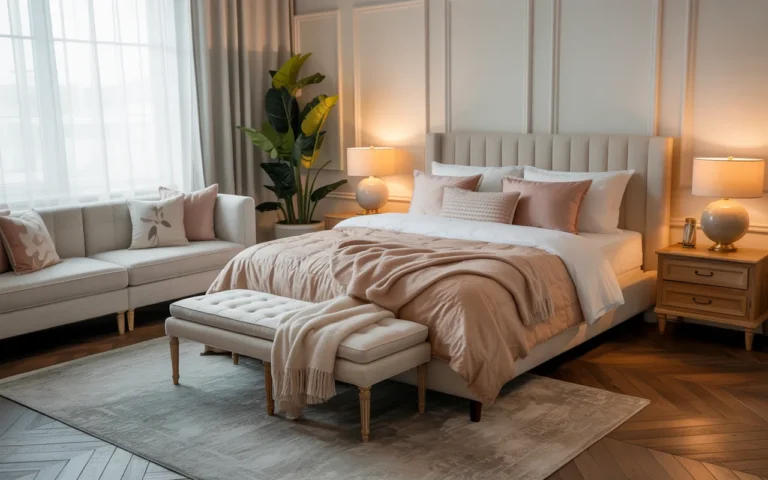
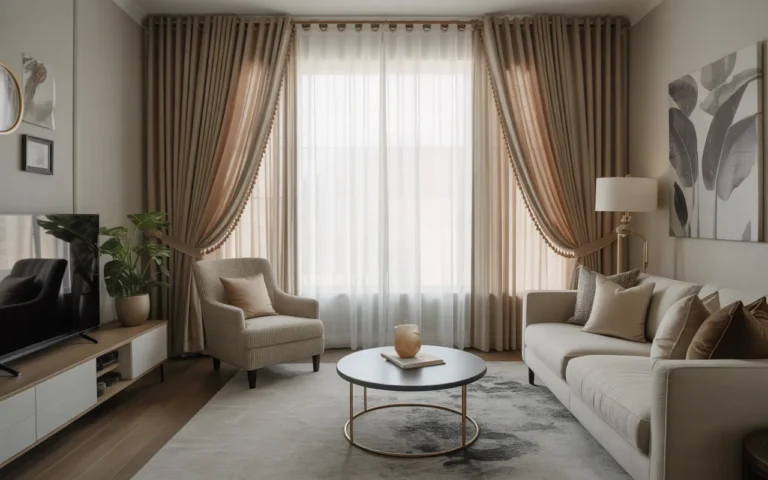
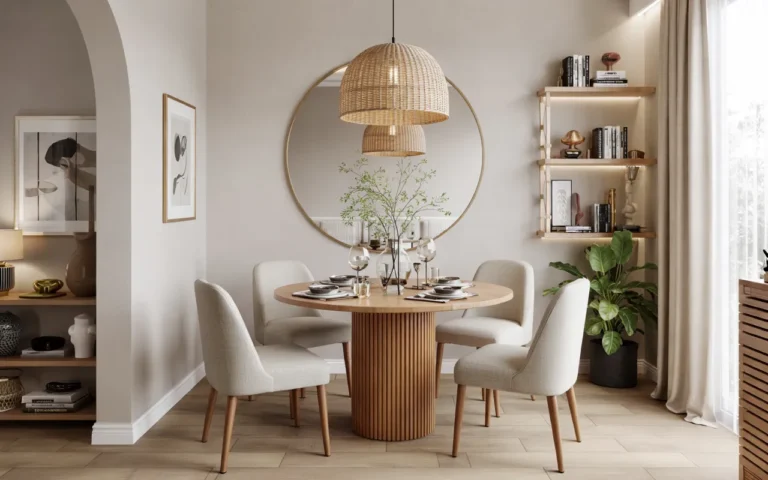
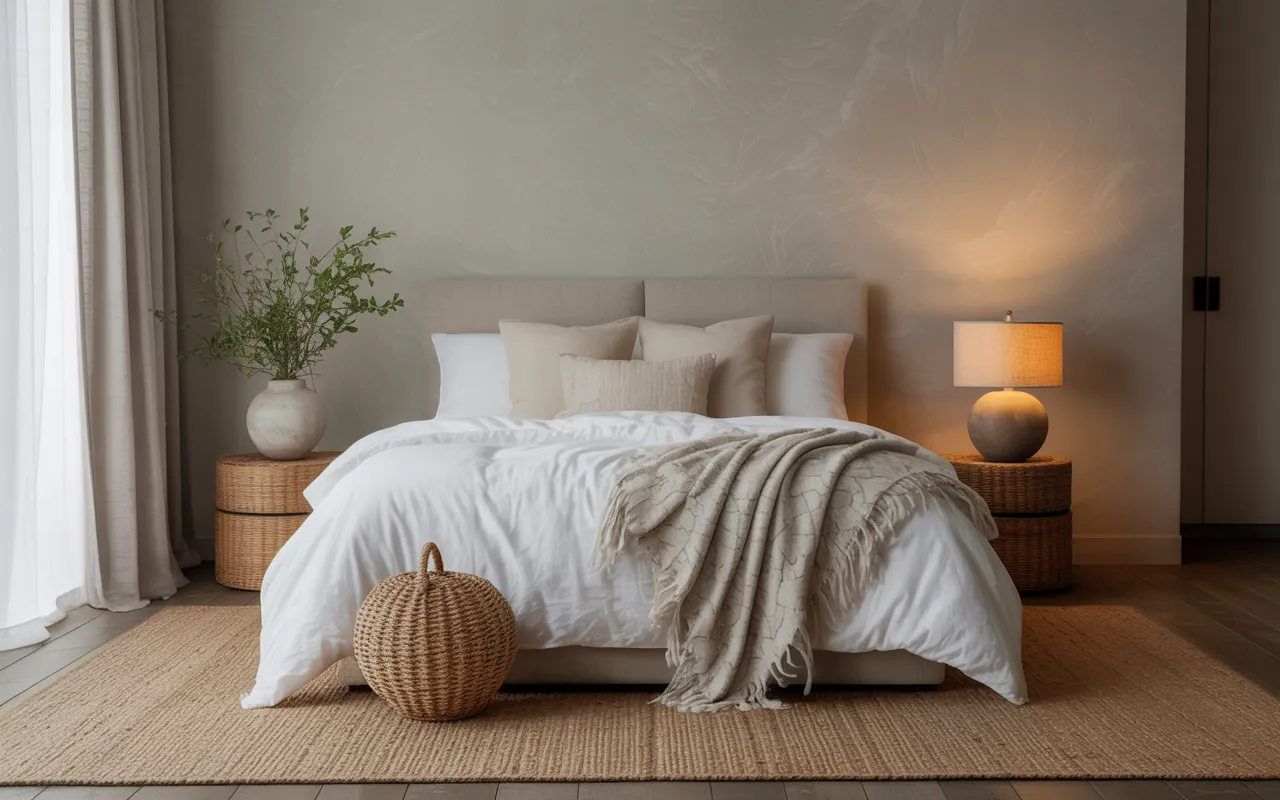
A Zen-inspired bedroom creates the perfect retreat from the stresses of daily life. Soft colors, natural materials, and minimalist design combine to form a serene and calming environment where relaxation comes naturally. From low platform beds and gentle lighting to natural fiber rugs and mindful accessory placement, each element contributes to tranquility. Whether it’s layered bedding, soothing wall textures, or carefully curated décor, these 22 Zen bedroom ideas show how to transform your space into a peaceful sanctuary that feels soft, harmonious, and effortlessly inviting.
1. Minimalist Neutral Palette

A minimalist bedroom with neutral colors creates an instant sense of calm and serenity. Shades like soft beige, ivory, and pale gray make the space feel open and uncluttered, allowing the mind to relax. Keeping furniture and décor simple enhances the feeling of tranquility, creating a perfect retreat from daily stress.
Natural textures, such as linen bedding and wooden accents, complement the neutral palette, adding subtle warmth without disrupting the calm atmosphere. Soft rugs and gentle lighting complete the look, giving the bedroom a peaceful, spa-like quality. This approach allows the room to feel both airy and grounded, making it an ideal Zen-inspired sanctuary.
2. Low Platform Beds

Low platform beds contribute to a grounded, Zen-inspired bedroom aesthetic. Their simple, clean lines keep the space uncluttered and visually light, promoting relaxation. Paired with minimal bedding and soft textures, a low bed emphasizes comfort and serenity, creating a soothing focal point in the room.
Enhancing the area with natural materials, such as bamboo or teak for bed frames, reinforces a connection to nature. Layered bedding in soft, neutral tones adds depth without overwhelming the space. This style balances simplicity and functionality, making the bedroom feel calm, restful, and intentionally designed to nurture mindfulness and tranquility.
3. Natural Light and Sheer Curtains

Maximizing natural light in a bedroom helps create a soft, serene environment. Sheer curtains diffuse sunlight gently, filling the room with a warm, calming glow. This effect reduces harsh shadows and bright spots, contributing to a tranquil atmosphere ideal for relaxation or meditation.
Incorporating greenery near windows or on bedside tables enhances the connection to nature, reinforcing the Zen aesthetic. Soft, flowing curtains paired with natural wooden furniture and neutral tones maintain a harmonious, peaceful vibe. The combination of natural light, airy fabrics, and organic elements transforms the bedroom into a quiet, serene haven.
4. Soft Layered Textures

Layering soft textures in a Zen bedroom adds comfort while maintaining a calm, uncluttered look. Plush rugs, cozy throws, and smooth bedding provide tactile warmth, inviting relaxation without overwhelming the senses. Subtle variations in texture, rather than bold patterns, create visual interest while keeping the environment serene.
Pairing soft textures with natural materials such as wood, bamboo, or cotton enhances the peaceful ambiance. A low bed, minimalist furniture, and soft lighting complement the layered textures, creating a room that feels inviting and restorative. This approach makes the bedroom a tranquil retreat where every element contributes to comfort and serenity.
5. Neutral Artwork and Wall Accents
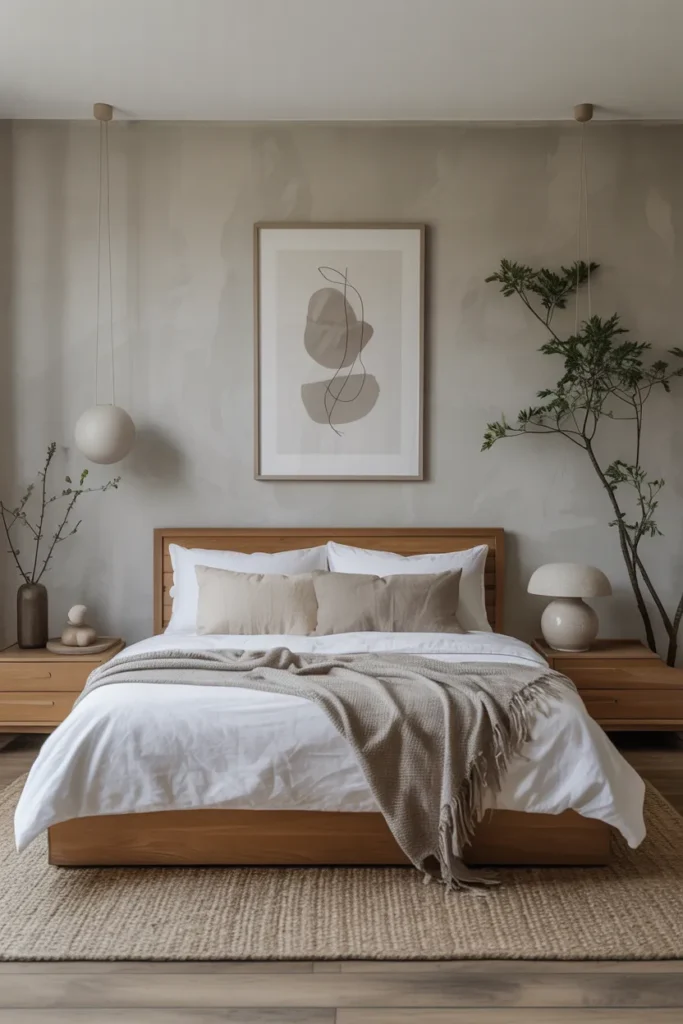
Using neutral-toned artwork or subtle wall accents enhances a Zen bedroom without disrupting its peaceful vibe. Soft abstract pieces, simple line drawings, or nature-inspired prints maintain a sense of calm and balance, contributing to the room’s serene atmosphere.
Keeping wall décor minimal prevents visual clutter and promotes relaxation. Pairing subtle artwork with light walls, natural wood furniture, and soft textiles ensures the room feels harmonious and cohesive. This design approach allows personal expression while maintaining tranquility, creating a bedroom that feels soft, restful, and beautifully serene.
Also view: 23 Sage Green and Grey Bedroom Ideas for Modern
6. Sliding Shoji Screens

Sliding shoji screens add a subtle, calming element to a Zen-inspired bedroom. Their lightweight frames and translucent panels diffuse light gently, creating a soft, peaceful glow. They can function as room dividers, closet doors, or window treatments, bringing both style and practicality to the space.
Shoji screens pair beautifully with neutral colors, low furniture, and natural materials like bamboo or light wood. Their delicate design maintains an uncluttered, airy feel, enhancing the bedroom’s tranquil atmosphere. By incorporating these screens, the space feels intentionally curated, soft, and serene while echoing traditional Japanese aesthetics that are central to Zen-inspired design.
7. Natural Wood Elements

Combining wood with soft textiles, neutral colors, and minimal décor balances richness with serenity. Even small wooden accents, like picture frames or shelving, add depth and tactile warmth. The result is a calm, inviting bedroom where natural materials harmonize with simplicity, making the space feel restorative and soft.
8. Soft Ambient Lighting
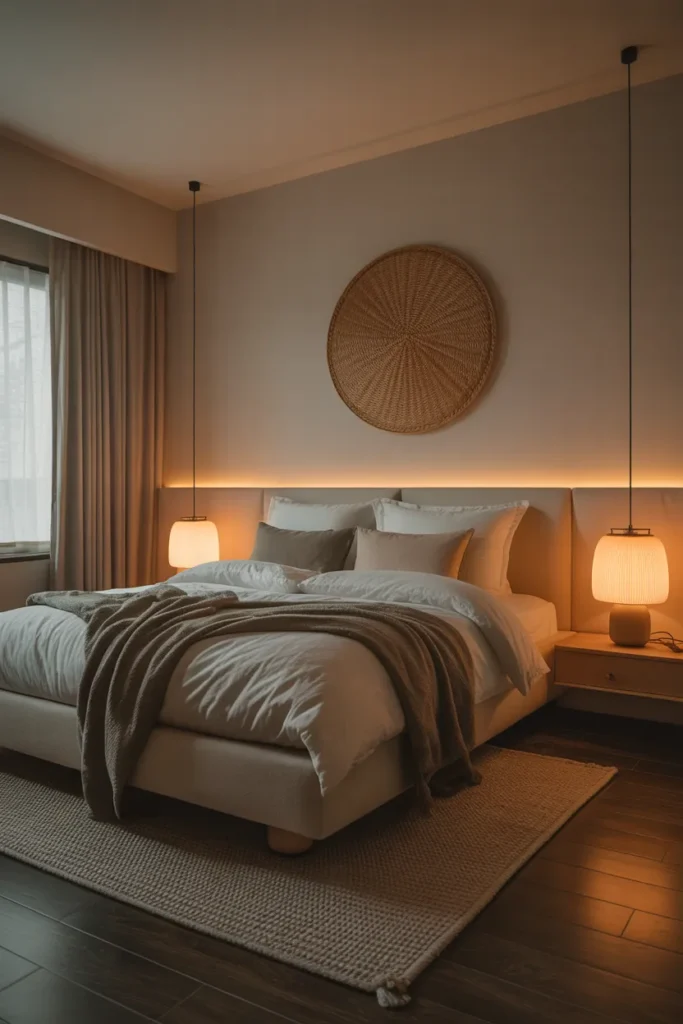
Soft ambient lighting is essential in a Zen bedroom, creating a calming atmosphere that promotes relaxation. Warm-toned lamps, dimmable overhead lights, and subtle wall sconces reduce harsh shadows and provide a gentle, inviting glow throughout the space.
Pairing ambient lighting with minimalist furniture and neutral décor enhances the serene feel. Light reflected off natural wood, soft bedding, and subtle textures creates a soothing environment that encourages rest and mindfulness. Thoughtful placement of lighting ensures the bedroom remains a soft, tranquil retreat from the stresses of daily life.
9. Indoor Plants and Greenery.

Adding indoor plants to a Zen bedroom brings life, freshness, and a sense of calm. Plants like bamboo, ferns, or small potted trees introduce a natural element that connects the space to the outdoors, promoting relaxation and mental clarity.
Placing plants strategically near windows or on bedside tables balances the room’s textures and colors. Combining greenery with neutral tones, soft lighting, and wooden furniture enhances the bedroom’s peaceful vibe. This approach creates a serene retreat where nature and design coexist harmoniously, making the space feel soft, calming, and restorative.
10. Low Seating Areas
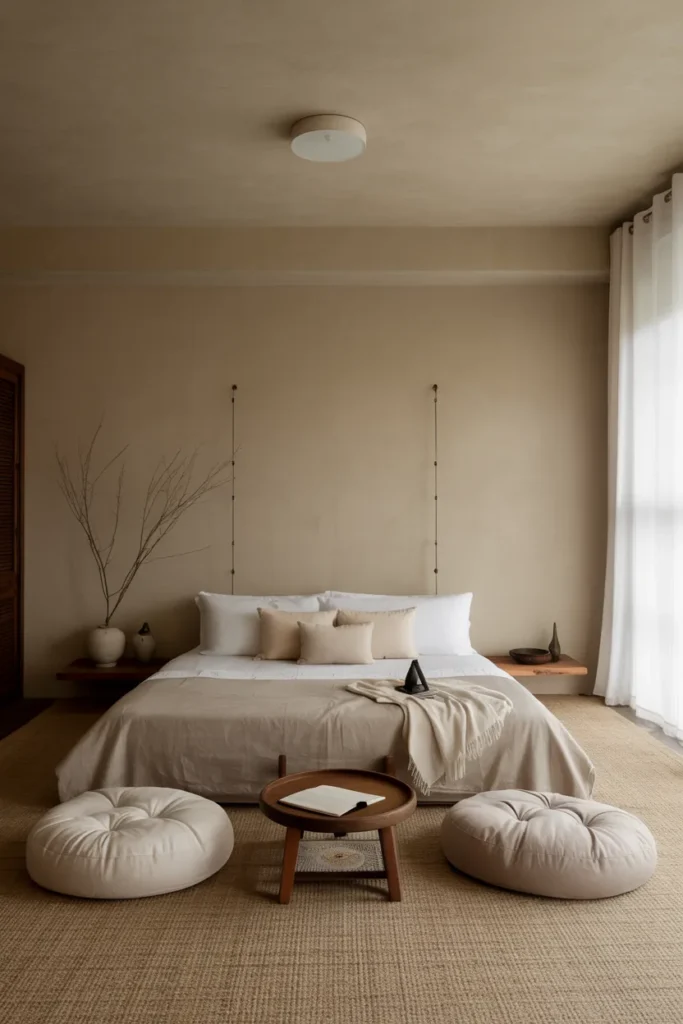
A low seating area in a Zen bedroom creates a cozy nook for reading, meditation, or quiet reflection. Floor cushions, low chairs, or small benches maintain a minimal, grounded aesthetic while providing functional comfort.
Pairing low seating with natural textiles, soft rugs, and neutral colors reinforces the bedroom’s serene atmosphere. This addition encourages mindful relaxation and complements the Zen-inspired design principles of simplicity and calm. The result is a space that feels soft, welcoming, and perfectly balanced for rest and contemplation.
11. Soft Layered Bedding

Layering soft bedding creates a cozy, serene atmosphere in a Zen bedroom. Using a combination of lightweight quilts, plush blankets, and smooth sheets in neutral tones adds texture without overwhelming the senses. This approach encourages relaxation and makes the bed feel inviting and restful.
Adding layers also allows flexibility, so the bedroom feels comfortable year-round. Complementing layered bedding with minimal furniture, soft rugs, and natural wood accents maintains the room’s peaceful vibe. This strategy creates a visually appealing, tactilely comforting space where every element contributes to a sense of calm and softness.
12. Zen-Inspired Wall Niches

Wall niches in a Zen bedroom serve as subtle decorative elements while maintaining minimalism. These recessed spaces can display a small plant, a piece of art, or calming objects like candles, without cluttering the room. The simplicity of niches aligns with Zen principles, creating a serene, intentional environment.
Pairing wall niches with neutral colors, soft lighting, and natural materials enhances their calming effect. The gentle shadows and highlighted objects add visual interest while keeping the space tranquil. This approach balances elegance and functionality, making the bedroom feel soft, peaceful, and harmoniously designed.
13. Textured Accent Wall
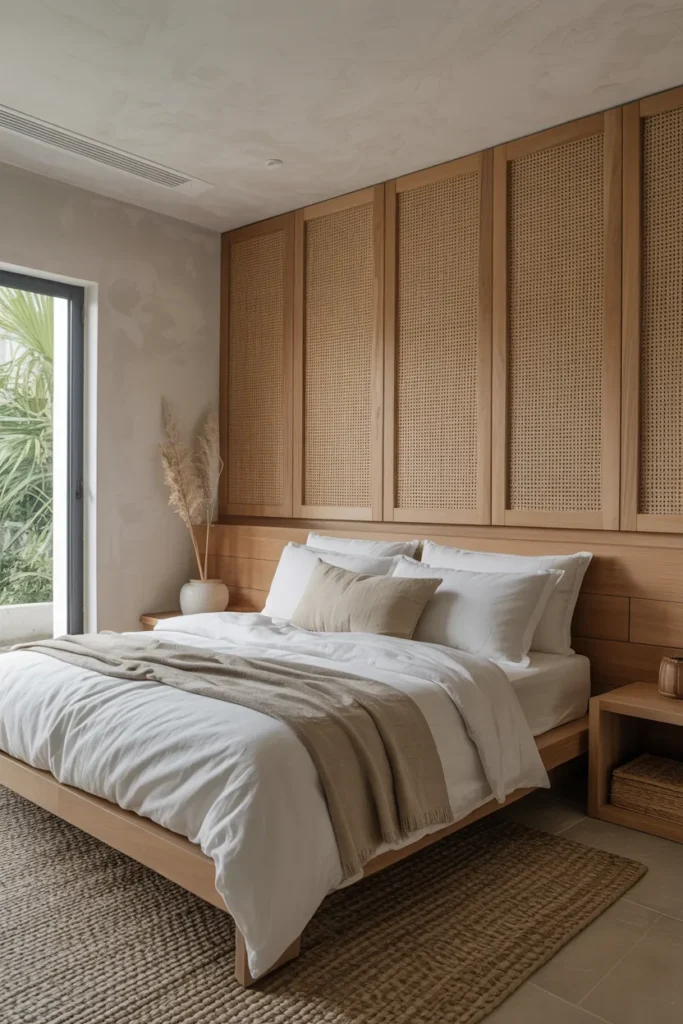
A textured accent wall can add depth to a Zen bedroom while maintaining a soft, serene aesthetic. Materials like light wood panels, woven grasscloth, or plaster finishes create subtle visual interest without disrupting the room’s calm, minimalist atmosphere.
Combining the accent wall with neutral furnishings and simple bedding enhances the space’s peaceful vibe. The texture adds warmth and dimension while keeping the design grounded. Paired with soft lighting and natural elements, this approach transforms the bedroom into a restful sanctuary where serenity and style coexist harmoniously.
14. Aromatherapy and Natural Scents
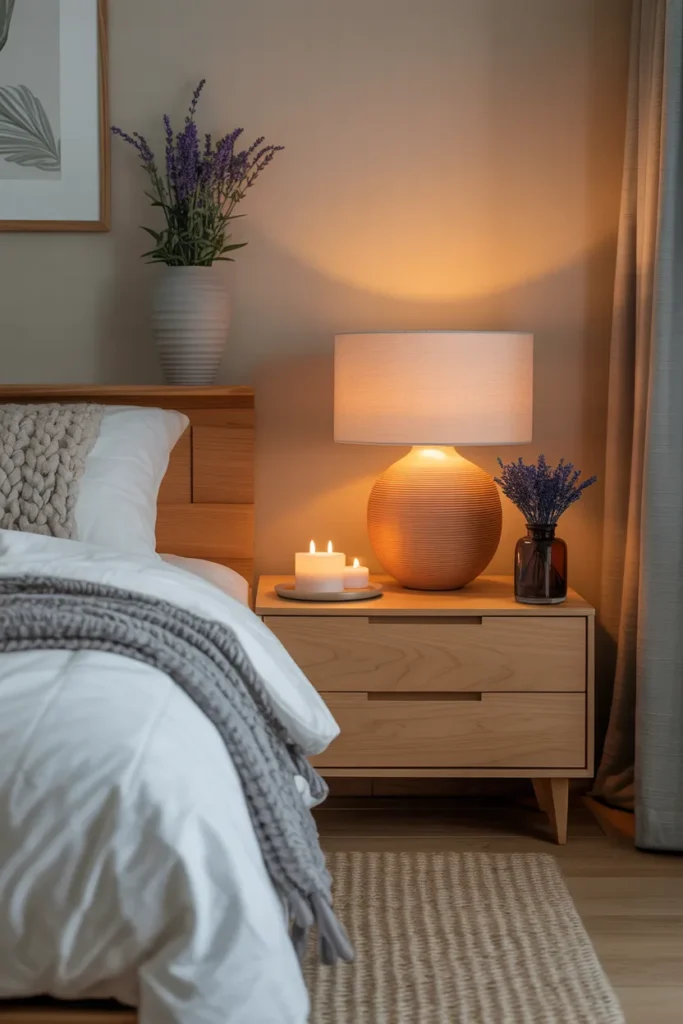
Incorporating aromatherapy in a Zen bedroom enhances relaxation and creates a soothing atmosphere. Essential oils like lavender, sandalwood, or eucalyptus help calm the mind, complementing the room’s soft textures and neutral colors. Diffusers or scented candles provide gentle fragrance without overwhelming the senses.
Combining aromatherapy with minimalist décor and natural materials enhances the overall sense of serenity. The subtle scents work with soft lighting, plush bedding, and natural wood elements to create a peaceful, restorative environment. This approach turns the bedroom into a sanctuary that promotes mental clarity and restful sleep.
15. Balanced Symmetry
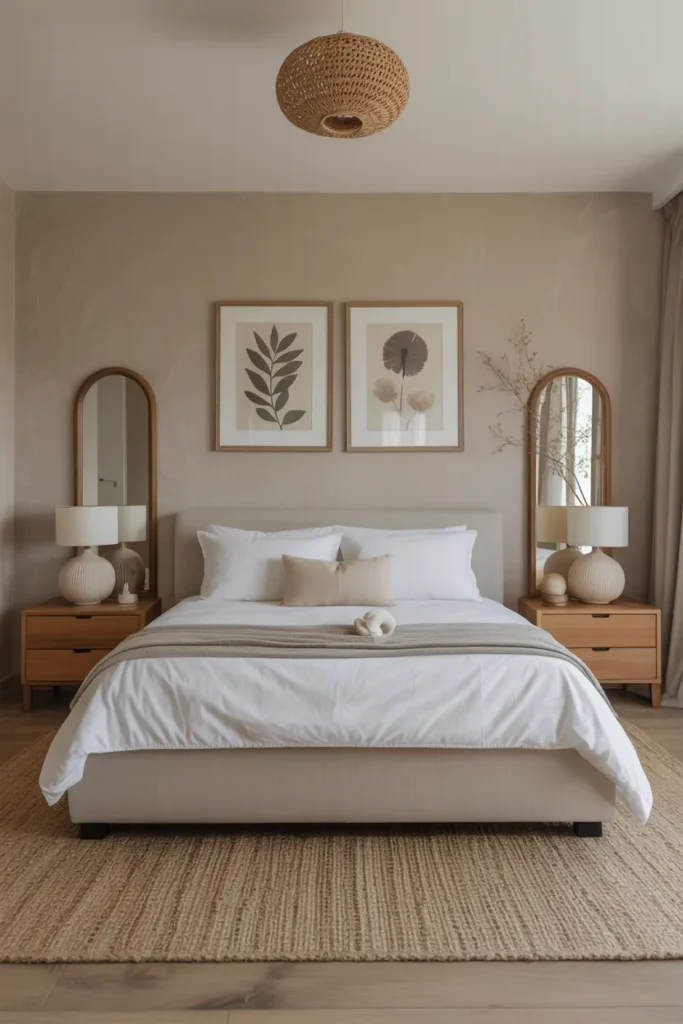
Balanced symmetry in bedroom design fosters a sense of calm and order, key principles of Zen-inspired spaces. Mirrored furniture arrangements, matching bedside tables, or evenly spaced décor items create visual harmony, making the room feel peaceful and intentional.
Pairing symmetry with soft colors, natural textures, and minimal accessories reinforces the tranquil atmosphere. This approach ensures that the bedroom feels organized and calming, allowing the mind to relax. Symmetry combined with tactile softness and gentle lighting creates a serene environment where every element supports comfort and mindfulness.
16. Natural Fiber Rugs

Natural fiber rugs, such as jute, sisal, or bamboo, add warmth and texture to a Zen bedroom while keeping the space soft and grounded. Their subtle earthy tones complement neutral walls and bedding, creating a calm and cohesive aesthetic that encourages relaxation.
Layering a natural fiber rug under a low bed or seating area enhances the tactile comfort of the room. Combined with soft lighting, wooden furniture, and minimal décor, these rugs create a serene foundation for the bedroom. The organic texture reinforces the connection to nature, helping the space feel balanced, inviting, and restful.
17. Soft Window Treatments
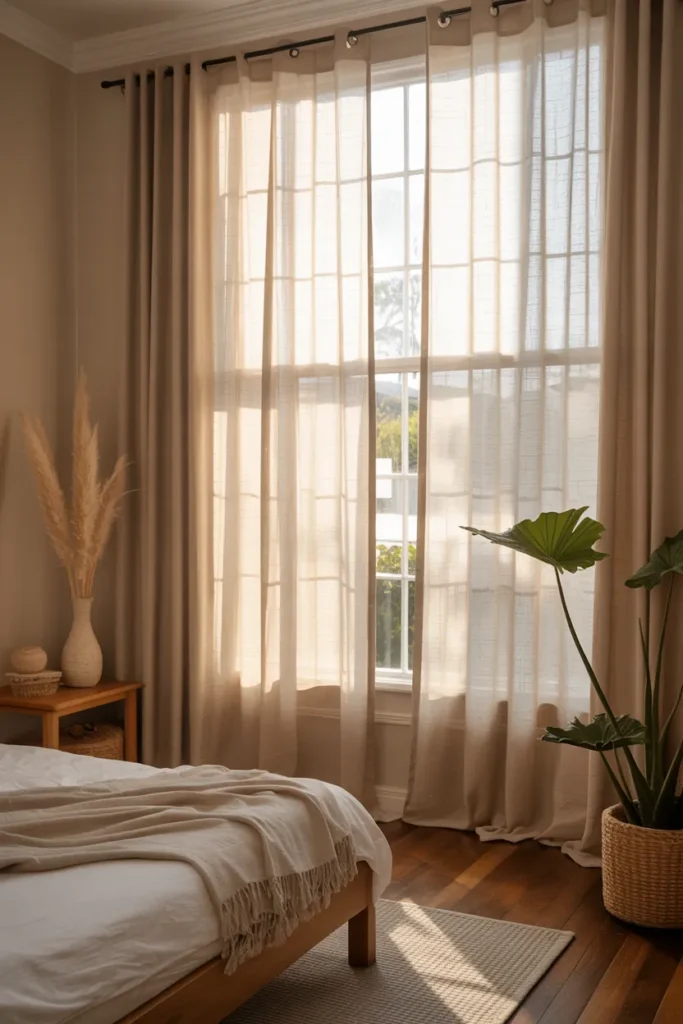
Soft, flowing window treatments like sheer curtains or lightweight linen panels create an airy, serene feel in a Zen bedroom. They filter natural light gently, producing a warm, calming glow that enhances the room’s peaceful ambiance.
Pairing soft window treatments with neutral colors, minimal furniture, and natural textures maintains harmony and tranquility. The movement of the fabric adds subtle elegance while preventing harsh light from disturbing the calm environment. This approach ensures the bedroom feels airy, soft, and inviting—a perfect sanctuary for rest and mindfulness.
18. Minimal Clutter Storage

Maintaining minimal clutter is essential for a Zen-inspired bedroom. Thoughtful storage solutions, such as built-in drawers, baskets, or under-bed storage, keep personal items organized and out of sight, preserving a clean and peaceful atmosphere.
Pairing clutter-free storage with natural materials, soft textures, and neutral tones enhances the room’s serene aesthetic. The absence of visual chaos allows the mind to relax and focus on calmness. This approach creates a balanced, orderly bedroom that feels soft, restorative, and intentionally designed for relaxation.
19. Soft, Rounded Furniture
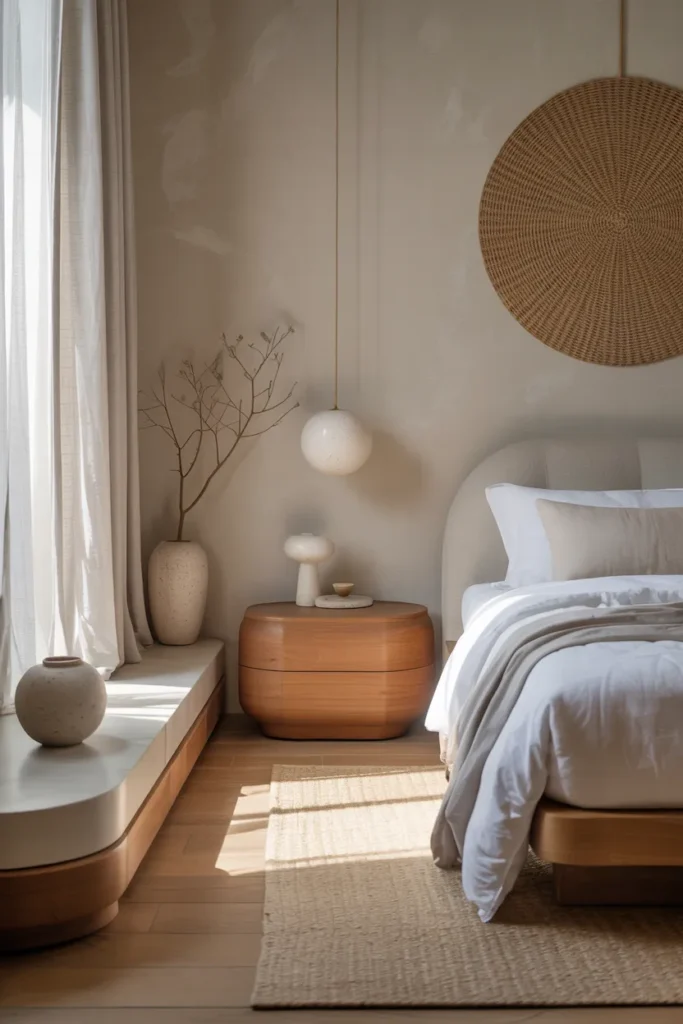
Soft, rounded furniture edges add a gentle, soothing touch to a Zen bedroom. Rounded nightstands, chairs, or benches reduce harsh lines, creating a sense of flow and calm throughout the space.
Pairing rounded furniture with neutral bedding, natural materials, and subtle décor reinforces a tranquil environment. The curves soften the room visually, promoting relaxation and comfort. This approach ensures that the bedroom feels harmonious, soft, and inviting, blending functionality with serene design principles.
20. Statement Headboard

A statement headboard in a Zen bedroom can serve as a focal point while maintaining softness and serenity. Materials like upholstered fabric, rattan, or light wood add texture and visual interest without overwhelming the calm atmosphere.
Pairing a statement headboard with neutral bedding, minimal furniture, and soft lighting enhances the tranquil vibe. It anchors the bed and contributes to the overall harmony of the room. The result is a bedroom that feels luxurious yet peaceful, with a soft, balanced aesthetic that encourages rest and mindfulness.
21. Gentle Color Accents
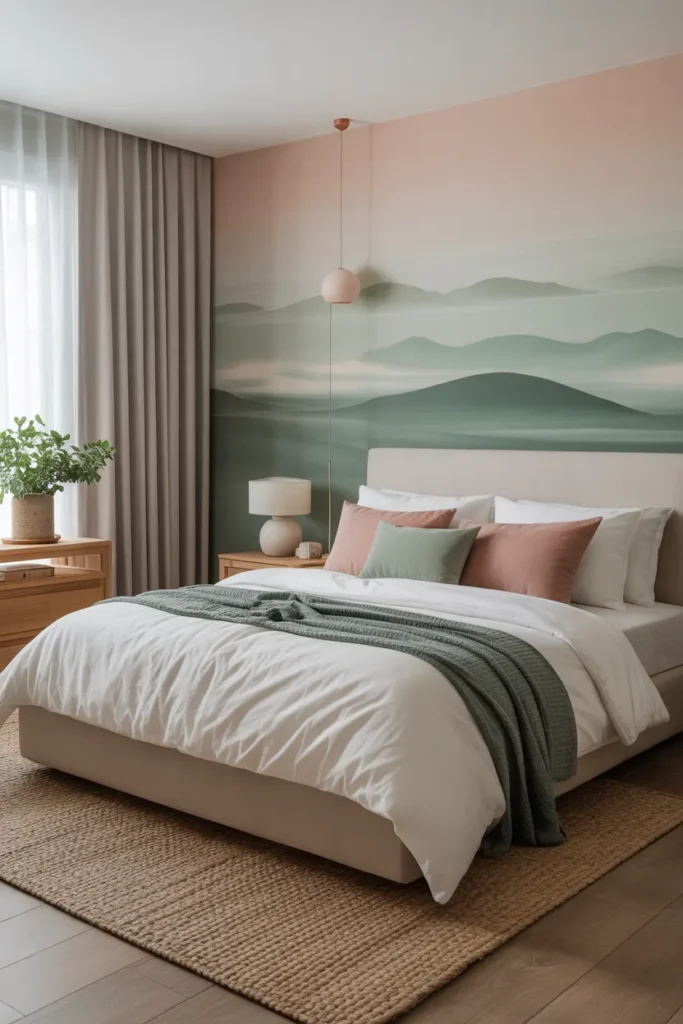
Incorporating gentle color accents, such as muted greens, soft blues, or blush tones, adds subtle interest to a Zen bedroom. These hues complement neutral bases without disturbing the serene, calming atmosphere of the space.
Pairing soft color accents with natural textures, light wood, and minimal décor ensures a balanced and restful environment. Small touches like pillows, artwork, or decorative objects can create depth and personality while maintaining tranquility. This approach enhances the bedroom’s soft, soothing vibe, creating a space that feels serene and rejuvenating.
22. Mindful Accessory Placement

Thoughtful placement of accessories ensures that a Zen bedroom remains calm and serene. Minimal décor, carefully chosen objects, and intentional arrangement prevent visual clutter while adding personality and warmth to the space.
Combining mindful accessories with neutral tones, natural textures, and soft lighting reinforces the peaceful environment. Every element has a purpose, contributing to harmony and balance. This approach transforms the bedroom into a serene retreat where simplicity, functionality, and beauty coexist, making the space soft, restorative, and welcoming.
Conclusion :
Creating a Zen bedroom is about balance, simplicity, and comfort. By incorporating natural textures, neutral tones, soft lighting, and thoughtful décor, the space becomes a peaceful retreat for rest and rejuvenation. Each of these 22 ideas helps maintain serenity while adding subtle style and personality. From low furniture and layered bedding to gentle color accents and mindful accessories, your bedroom can feel soft, calming, and harmonious—a perfect sanctuary for relaxation, mindfulness, and peaceful living.