22 Small Dining Room Design Inspirations for Modern
A small dining room is not a problem to solve. It is a cozy space waiting for the right choices. With the right table shape, smart seating, and a few visual tricks, even a tiny corner can become the spot where everyone wants to gather for dinner, coffee, or a long Sunday breakfast.
In this roundup you will find 22 small dining room ideas built for real apartments and compact homes. There are space-saving tables, bench seating with hidden storage, lighting tricks that make the room feel bigger, and styling ideas that keep a small space feeling calm instead of crowded. Each idea includes practical tips and shoppable pieces.
These ideas work for renters and owners alike. Many of them need no drilling, no renovation, and no big budget. Just furniture choices that respect the square footage you have. Read through, pick the ideas that fit your room, and use the Shop This Look sections to build your own version.
This post contains affiliate links. If you buy through them, I may earn a small commission at no extra cost to you.
1. Round Glass Table for an Airy Feel

A round glass table is one of the smartest choices for a small dining room. The round shape has no sharp corners to bump into, and it seats more people comfortably than a square table of the same size. The glass top keeps sightlines open, so the room feels airy instead of blocked by a big solid surface.
Size it right: A 36-inch round table seats four comfortably; 42 inches can squeeze in five or six for casual meals. Leave at least 30 inches between the table edge and the wall so chairs can pull out. Measure your space with painter’s tape on the floor before you buy.
Soften the glass: Glass can feel cold on its own, so warm it up with upholstered chairs or a textured rug underneath. A simple centerpiece like a low bowl of fruit keeps the table styled without blocking conversation. Tempered glass is a must for safety; check the thickness before you order.
- Choose a 36 to 42 inch diameter for most small dining rooms.
- Leave 30 inches of clearance around the table for chair movement.
- Pair glass with upholstered chairs and a rug for warmth.
Shop This Look
2. Built-In Bench Seating with Storage

Built-in bench seating with storage is the small dining room’s secret weapon. A bench tucked against the wall seats two or three people in the space of one chair’s footprint, and the hollow base hides table linens, board games, or kids’ art supplies. It turns dead wall space into the hardest-working seat in the house.
Build for comfort: A bench needs a cushion to be inviting. Two to three inches of dense foam with a washable cover makes it a seat people actually choose. Add a few throw pillows against the wall for back support. The seat height should match your table: about 18 inches for a standard 30-inch table.
Use the storage: Hinged lids give full access but need clearance to open; drawers underneath work better if the table is close. Divide the interior with bins so it does not become a junk drawer. Seasonal items go in back, daily items in front.
- Add a 2 to 3 inch foam cushion with a washable cover.
- Match bench height to the table: 18 inches for standard tables.
- Divide the storage interior with bins to keep it organized.
Shop This Look
3. Minimalist Wooden Table with Neutral Palette

A minimalist wooden table with a neutral palette keeps a small dining room calm and uncluttered. Light wood, white walls, and simple chairs create a space that feels bigger than it is because nothing fights for attention. This look ages well and works with almost any style of home.
Keep the wood light: Pale oak, ash, or birch reflect more light than dark walnut or espresso. A natural or whitewashed finish keeps the table feeling airy. If you already own a dark table, a light runner or pale placemats can lift it without replacing it.
Edit the extras: Minimalism only works if the surfaces stay clear. Choose one simple centerpiece and resist the urge to decorate every inch. Store the extras in a nearby sideboard or cabinet so the table can breathe between meals.
- Choose pale woods like oak, ash, or birch for small rooms.
- Keep one simple centerpiece and clear surfaces otherwise.
- Use light textiles to lift a darker table you already own.
Shop This Look
4. Wall-Mounted Foldable Dining Table

A wall-mounted foldable dining table is the ultimate small-space move. Folded down, it seats two to four for dinner. Folded up, it disappears against the wall and the room becomes open floor again. For studio apartments and tiny dining nooks, nothing beats this flexibility.
Mount it solid: This table holds real weight, so it must anchor into wall studs, not just drywall. A professional install is worth it. Check the folded and unfolded dimensions against your space, and make sure chairs can tuck fully underneath when open.
Style the wall: When folded up, the table becomes wall decor, so choose one with a nice underside. Some models have a chalkboard or art panel on the back. A small shelf above holds the folded table’s accessories and looks intentional.
- Anchor the mount into wall studs, never drywall alone.
- Measure folded and unfolded dimensions before buying.
- Pick a model with a finished back that looks good folded up.
Shop This Look
5. Statement Lighting Over a Compact Table

Statement lighting over a compact table makes a small dining room feel designed rather than improvised. A bold pendant or a cluster of small pendants draws the eye up, creates a clear zone for dining, and adds personality that the limited square footage might otherwise lack.
Hang it low: The bottom of the pendant should sit 30 to 34 inches above the table surface. That height lights faces and food without blocking sightlines across the table. In a small room, one well-chosen fixture beats three fussy ones.
Pick the right scale: The fixture should be about one-half to two-thirds the width of the table. Too big and it overwhelms; too small and it looks lost. A dimmer switch is essential so you can shift from bright family dinners to soft evening mood.
- Hang pendants 30 to 34 inches above the table surface.
- Size the fixture at half to two-thirds of the table width.
- Install a dimmer switch for flexible evening lighting.
Shop This Look
6. Oval Table with Slim Profile Chairs

An oval table with slim-profile chairs fits more dining into less space. The oval shape seats like a round table but stretches a little longer, which suits narrow rooms. Slim chairs tuck neatly under the table when not in use, keeping walkways clear and the room feeling open.
Mind the walkways: Keep at least 36 inches behind chairs on the sides where people walk through. Slim chairs need less pull-out room than bulky upholstered ones, which is exactly why they work here. Test the layout with the chairs you own before committing.
Choose light chairs: Chairs you can lift with one hand get moved, tucked, and rearranged without friction. Metal, molded plastic, or bentwood chairs are all good options. If you want upholstery, keep it to the seat pad rather than a full bulky chair.
- Keep 36 inches of walkway behind chairs on traffic sides.
- Choose chairs light enough to lift and tuck with one hand.
- Prefer slim profiles that slide fully under the table.
Shop This Look
7. Monochrome Black and White Dining Nook

A monochrome black and white dining nook looks sharp and intentional in a small space. The high contrast gives the room a graphic, designed feel, and limiting the palette to two colors keeps a tiny area from feeling chaotic. It is a bold choice that actually simplifies decorating decisions.
Balance the ratio: In a small room, let white dominate and use black as the accent. White walls and a light table with black chairs, or a black table with white chairs and pale walls, both work. Too much black in a tiny space can feel heavy.
Add one texture: A strict two-color scheme needs texture to feel warm. A jute rug, linen curtains, or a wood cutting board as decor adds the tactile layer that keeps black and white from feeling stark. One natural material is enough.
- Let white dominate and use black as the accent color.
- Add one natural texture like jute or linen for warmth.
- Keep the palette strict; extra colors dilute the effect.
Shop This Look
8. Corner Dining Setup with Banquette Seating

A corner dining setup with banquette seating turns an awkward corner into the best seat in the house. An L-shaped bench fills the corner completely, seating three or four where individual chairs would waste space. It feels like a cozy restaurant booth, right in your own home.
Fit the corner: Measure both walls and the table together; the bench depth plus table width plus chair space on the open side must all fit. A pedestal table base works best because legs do not fight with the bench. Leave the open side for chairs that can be pulled up for guests.
Make it cozy: Banquettes invite lingering, so layer the comfort: a good cushion, pillows in the corner, and a pendant light above the table. This corner will become the homework spot, the coffee spot, and the late-night talk spot, so make it worthy.
- Measure bench, table, and chair clearance together before buying.
- Use a pedestal table so legs do not clash with the bench.
- Layer cushions and pillows to make it the coziest corner.
Shop This Look
9. Compact Marble Table with Metallic Accents

A compact marble table with metallic accents brings a touch of luxury to a small dining room. Marble reads as elegant and timeless, and a smaller round or square top keeps it practical. Brass or gold legs and trim warm up the stone and add the jewelry-like detail that makes the whole corner feel special.
Choose real or faux wisely: Real marble stains and etches, so it suits careful households. Marble-look porcelain or quartz gives the same visual for busy families with kids. Seal real marble yearly and wipe spills quickly, especially anything acidic.
Keep the base light: Slim metal legs keep the table feeling airy and let the rug and floor show through. A heavy pedestal base can work but eats visual space. Match the metal finish to your lighting or hardware for a pulled-together look.
- Pick marble-look porcelain for busy households with kids.
- Seal real marble yearly and wipe acidic spills fast.
- Use slim metal legs to keep the table feeling light.
Shop This Look
10. Open-Concept Dining Area with Defined Rug

An open-concept dining area with a defined rug creates a room within a room. When the dining space shares square footage with the living room or kitchen, a rug draws the boundary without walls. It anchors the table, softens sound, and tells everyone exactly where dining happens.
Size the rug generously: The rug should extend at least 24 inches beyond the table on all sides so chairs stay on it when pulled out. Too small is the most common rug mistake and it makes the whole zone feel cramped. Measure the table plus chairs, then buy.
Pick a flat weave: Dining chairs roll and slide, so low-pile or flat-weave rugs work best. They are easier to clean and chairs move smoothly. Indoor-outdoor rugs are a smart pick for dining zones because spills wipe right off.
- Extend the rug 24 inches beyond the table on all sides.
- Choose low-pile or flat-weave rugs for easy chair movement.
- Consider indoor-outdoor rugs for simple spill cleanup.
Shop This Look
11. Wall-to-Wall Mirror for Visual Expansion

A wall-to-wall mirror for visual expansion is the oldest small-space trick, and it still works. A large mirror doubles the sense of space by reflecting the room back at itself, bounces light into dark corners, and makes a tiny dining nook feel twice its size. It is decor and square footage in one.
Reflect something good: A mirror only doubles what it faces, so hang it opposite a window or a pretty view, not opposite clutter. Reflecting daylight is the goal; it brightens the whole dining zone. Avoid placing it where it reflects the messiest part of the kitchen.
Go big: One large mirror beats a gallery of small ones for the expansion effect. Floor-leaning mirrors work in rentals with no drilling. Make sure it is secured if you have kids or pets who might bump it.
- Hang the mirror opposite a window to double the daylight.
- Choose one large mirror over several small ones.
- Secure floor-leaning mirrors if you have kids or pets.
Shop This Look
12. Floating Shelf Dining Wall

A floating shelf dining wall adds storage and style without a single piece of bulky furniture. Shelves above a small sideboard or along the dining wall hold dishes, glasses, plants, and art. Everything is visible and reachable, and the wall does the work that a big hutch would do in a larger home.
Anchor with a sideboard: A slim console or sideboard under the shelves grounds the arrangement and adds closed storage for the less pretty things. Keep the sideboard narrow, 14 to 16 inches deep, so it does not eat the walkway. The shelves above can hold daily dishes at arm’s reach.
Style with restraint: Open shelves in a dining room should look curated, not crowded. Repeat a few colors, leave breathing room, and mix practical items with one or two decorative pieces. If a shelf starts looking cluttered, move half of it into the sideboard.
- Pair shelves with a slim 14 to 16 inch deep sideboard.
- Keep daily dishes at arm’s reach on the lowest shelf.
- Leave breathing room; move overflow into closed storage.
Shop This Look
13. Scandinavian-Inspired Compact Dining Space

A Scandinavian-inspired compact dining space proves that small and simple can be beautiful. Light woods, white walls, clean lines, and a calm palette create a dining corner that feels fresh and uncluttered. The style is built for small spaces because it refuses to add anything unnecessary.
Stick to the palette: White, light gray, pale wood, and one soft accent like sage or dusty blue. That restraint is what makes the style work. Every piece should earn its place; if it does not serve a purpose or spark real joy, it does not belong in a small room.
Add soft textiles: Scandinavian rooms avoid coldness with sheepskins, linen, and wool. Drape a sheepskin over a dining chair, add a simple linen runner, and keep lighting warm. Texture does the decorating work that color does in other styles.
- Limit the palette to white, pale wood, and one soft accent.
- Every piece must earn its place in a small room.
- Layer sheepskin, linen, and wool for warmth.
Shop This Look
14. Dark Accent Wall with Light Furniture

A dark accent wall with light furniture creates drama without shrinking the room. One deep wall, in charcoal, navy, or forest green, gives the dining corner depth and mood. Light-colored furniture in front of it pops beautifully, and the contrast makes the small space feel intentional and designed.
Pick the right wall: The wall behind the table or banquette is the natural choice. It becomes the backdrop for every meal. Avoid the wall with the window; dark paint around a window fights the daylight. One wall only; painting the whole small room dark is a different, riskier project.
Light it deliberately: Dark walls absorb light, so this look needs good lighting to work. A pendant over the table, plus a floor or table lamp nearby, keeps the corner inviting. Light furniture and a pale rug keep the balance from tipping too dark.
- Paint only one wall; keep the rest light.
- Choose the wall behind the table as the accent.
- Add layered lighting so the dark wall feels cozy, not cave-like.
Shop This Look
15. Multi-Functional Dining and Workspace Combo

A multi-functional dining and workspace combo is reality for many small homes. The dining table doubles as a desk by day and a dinner table by night. Done well, this setup feels intentional; done poorly, it feels like you are always eating at your office. The difference is in the transition ritual.
Create the shift: Use a storage ottoman, a lidded basket, or a rolling cart to corral work items at the end of the day. Clearing the table completely, even for ten minutes, resets the room from office to dining. A tablecloth or runner laid for dinner marks the change clearly.
Choose a real chair: If you work at this table for hours, your dining chair needs to support you. Look for an ergonomic dining-style chair or add a lumbar cushion to a pretty one. Your back will thank you, and the chair still looks fine at dinner.
- Corral work items in a basket or cart at day’s end.
- Clear the table fully to reset from office to dining.
- Pick a supportive chair or add a lumbar cushion for work hours.
Shop This Look
16. Compact Pedestal Table for Tight Spaces

A compact pedestal table is made for tight spaces. With a single central base instead of four legs, every seat gets full legroom and chairs tuck in close on all sides. No one fights a table leg for foot space, which matters a lot when the table is small and every inch counts.
Check the base weight: A pedestal table needs a heavy, stable base so it does not wobble or tip. Test it in the store by pressing on the edge. Cast iron or solid wood bases are the most stable; avoid lightweight bases on larger tops.
Pair with armless chairs: Armless chairs slide fully under a pedestal table, which keeps the footprint tight when the table is not in use. This combination can shrink the dining zone to barely more than the tabletop itself between meals.
- Test stability by pressing the table edge before buying.
- Choose cast iron or solid wood bases for the steadiest feel.
- Pair with armless chairs that tuck fully underneath.
Shop This Look
17. Vertical Paneling for Added Height

Vertical paneling for added height draws the eye upward and makes a small dining room feel taller. Board and batten, beadboard, or simple slat panels on one wall add architectural interest that flat drywall cannot. The vertical lines trick the eye into seeing more height than the room actually has.
Keep it simple: In a small room, thin battens with generous spacing look better than heavy, busy paneling. Paint it the same color as the wall for subtle texture, or go one shade deeper for gentle contrast. Floor-to-ceiling installation maximizes the heightening effect.
Renters can fake it: Peel-and-stick panel molding or paintable wallpaper with a panel pattern gives the same vertical rhythm with no permanent changes. Both come off cleanly when you move. This is one of the easiest high-impact upgrades for a rental dining nook.
- Use thin battens with generous spacing in small rooms.
- Run paneling floor to ceiling for maximum height effect.
- Try peel-and-stick molding for a renter-friendly version.
Shop This Look
18. Transparent Acrylic Chairs with Wooden Table

Transparent acrylic chairs with a wooden table are a small-space classic. The see-through chairs visually disappear, so the room reads as just the table plus air. You get full seating without the visual bulk of solid chairs, which is exactly what a tight dining corner needs.
Mind the scratches: Acrylic shows scratches over time, so it suits adult households more than homes with rough-and-tumble kids or pets. Clean with a soft cloth and mild soap, never abrasive cleaners. Good quality cast acrylic resists clouding better than cheap extruded sheets.
Ground with wood: The wooden table keeps the look warm and prevents the space from feeling like a showroom. A medium wood tone contrasts nicely with the clear chairs. Add a rug underneath to anchor the arrangement and soften the modern edge.
- Choose cast acrylic over extruded for better clarity and durability.
- Clean only with soft cloths and mild soap.
- Pair with a wood table and rug to keep the look warm.
Shop This Look
19. Narrow Console-Style Dining Table

A narrow console-style dining table fits where no regular table can. At 14 to 18 inches deep, it hugs the wall as a console by day and extends or pulls out to seat diners when needed. For the tiniest dining spaces, hallways, or studio corners, this shape is a genuine problem solver.
Look for extending models: The best versions have butterfly leaves or pull-out extensions that double the depth for meals. Check the extended dimensions and the seating count honestly; a table that claims six but fits four comfortably will disappoint.
Style it daily: When it is in console mode, treat it like a styled surface: a lamp, a small stack of books, a vase. That way it earns its keep between meals instead of looking like a folded-up compromise. Stools that tuck underneath keep the profile slim.
- Choose extending models with honest seating counts.
- Check both folded and extended dimensions against your space.
- Style it as a console with a lamp between meals.
Shop This Look
20. Soft Pastel Dining Corner

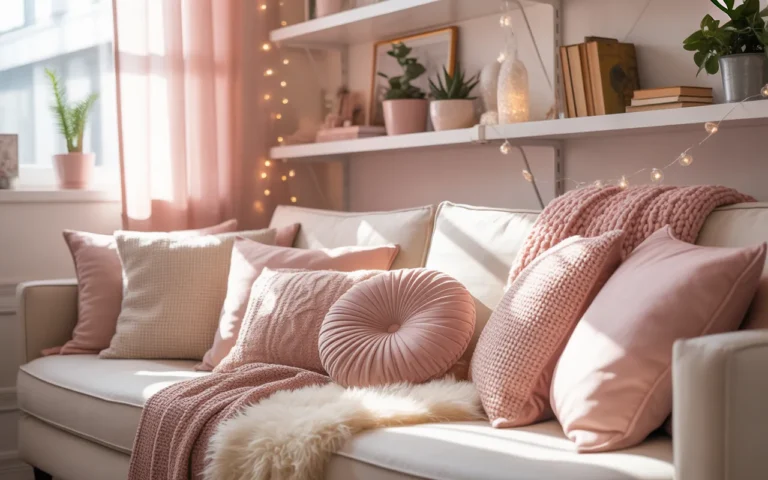
A soft pastel dining corner brings gentle color into a small space without overwhelming it. Blush, mint, powder blue, or butter yellow on chairs, cushions, or a single wall add cheer while keeping the room light and open. Pastels are color at its most small-space friendly.
Pick one pastel: One soft color repeated in two or three places looks designed; five pastels look like an Easter display. Choose your favorite and let neutrals do the rest of the work. White, cream, and light wood are the perfect partners.
Keep it mature: Pastels can read juvenile if everything is sweet. Ground the look with one grown-up element: a wood table, black metal chairs frames, or a sophisticated pendant light. That contrast keeps the corner feeling fresh rather than childish.
- Repeat one pastel in two or three places, no more.
- Pair pastels with white, cream, and light wood.
- Add one sophisticated element to keep the look grown-up.
Shop This Look
21. Industrial Touch with Slim Metal Frames

An industrial touch with slim metal frames gives a small dining room an urban edge. Black steel table bases, metal-frame chairs, and simple Edison-style lighting create a loft look that works in surprisingly little space. The slim profiles keep it airy while the materials add character.
Soften the metal: All metal can feel cold, so balance it with wood, leather, or warm textiles. A wood tabletop on a steel base is the classic industrial pairing. A rug underfoot and a plant in the corner take the edge off without losing the vibe.
Watch the weight: Real steel furniture is heavy, which matters in rentals and upstairs apartments. Look for hollow-tube construction that looks substantial but lifts easily. Check floor protectors on every leg to save your floors.
- Balance metal with wood tops and warm textiles.
- Choose hollow-tube construction for lighter pieces.
- Put floor protectors on every metal leg.
Shop This Look
22. Elegant Neutral Dining Space with Textured Layers

An elegant neutral dining space with textured layers is the sophisticated answer to small-space decorating. Creams, taupes, warm grays, and soft whites create a calm backdrop, and the interest comes from mixing textures: linen, wool, rattan, ceramic, and wood all in the same quiet palette.
Layer deliberately: Start with the largest surfaces, walls and rug, in the lightest tones. Add mid-tone wood furniture, then bring in texture through textiles and decor. Each layer should be visible; if two textures blend into one, adjust the tone so the contrast reads.
Light it warm: Neutral rooms live or die by their lighting. Warm white bulbs, a statement pendant, and maybe a small table lamp make creams and taupes glow. Cool lighting can make neutrals look flat and gray, so check the bulb temperature.
- Build from light walls and rug up through mid-tone furniture.
- Mix at least four textures: linen, wool, rattan, wood.
- Use warm white bulbs so neutrals glow instead of looking flat.
Shop This Look
How to Start
Start by measuring your dining space honestly, including how much room chairs need to pull out. Painter’s tape on the floor is the best planning tool you own: mark the table size, the chair zones, and the walkways. If the tape layout feels tight, the furniture will feel tighter.
Next, choose your table shape based on the room, not the catalog. Round and oval tables suit square rooms and tight corners. Rectangular tables fit narrow rooms. Pedestal bases beat four legs in every small space. Get the table right and everything else falls into place.
Finally, add the layers that make it feel like a dining room: a rug to define the zone, lighting at the right height, and seating you actually want to sit in. These finishing pieces are what turn a table in a corner into a place people gather.
- Mark the full layout in painter’s tape before buying anything.
- Choose round or oval for square rooms, rectangular for narrow ones.
- Define the zone with a rug and hang lighting 30 to 34 inches above the table.
Shop This Look
Common Mistakes
- Buying a table that fits the room but leaves no space for chairs to pull out.
- Choosing a rug that is too small, so chair legs catch the edge every time.
- Hanging the pendant too high, where it lights the ceiling instead of the table.
- Filling every wall with decor and leaving the small room no visual rest.
- Picking bulky upholstered chairs that cannot tuck under the table.
- Skipping storage and letting the dining corner collect clutter from the whole house.
- Using cool white bulbs that make the dining space feel flat and uninviting.
Frequently Asked Questions
What is the best table shape for a small dining room?
Round tables are usually the best pick: no corners to bump, easier conversation, and they fit more people per inch. Oval tables work well in narrow rooms. If you must go rectangular, choose a pedestal base so no one fights table legs for foot room.
How much space do I need around a dining table?
Leave at least 30 inches between the table edge and the wall for chairs to pull out, and 36 inches on sides where people walk through. In very tight rooms you can cheat these numbers slightly with slim, armless chairs that tuck fully under the table.
Can a small dining room still feel elegant?
Absolutely. Elegance in a small space comes from restraint: a limited palette, good lighting, and a few quality pieces rather than many average ones. A defined rug, a proper pendant, and comfortable chairs do more than any amount of decor. For the same calm approach in the next room, see these small living room decor ideas.
How do I add storage to a tiny dining area?
Use the walls: floating shelves, a slim sideboard, or a storage bench. Benches with hidden compartments swallow linens and games. A bar cart adds serving storage that rolls away when not needed. Every piece in a small dining room should work twice.
Are glass tables a good idea with kids?
Glass keeps a small room feeling open, but it shows every fingerprint and needs tempered safety glass. With young kids, consider a marble-look or wood table instead, and save the glass for later. If you love the airy look, acrylic chairs give a similar effect with less risk.
The Finishing Touch
A small dining room rewards thoughtful choices more than big spending. The right table shape, seating that tucks away, a rug that defines the zone, and lighting at the perfect height can transform even the tiniest corner into a gathering place. Pick the ideas that fit your space and start with the table; everything else follows.
Remember that small rooms look best with breathing room. Resist filling every inch, keep walkways clear, and let a few good pieces do the work. Your dining corner does not need to seat twelve to be the heart of your home; it just needs to be comfortable, well-lit, and ready for the people you love.
For more real-room inspiration and designer advice on dining spaces of every size, explore the dining room guides on Houzz, where you can filter by room size to see what actually works in compact homes. Then measure your corner, mark it with tape, and make it yours.