23 Japandi Living Room Designs Minimalist Comfort
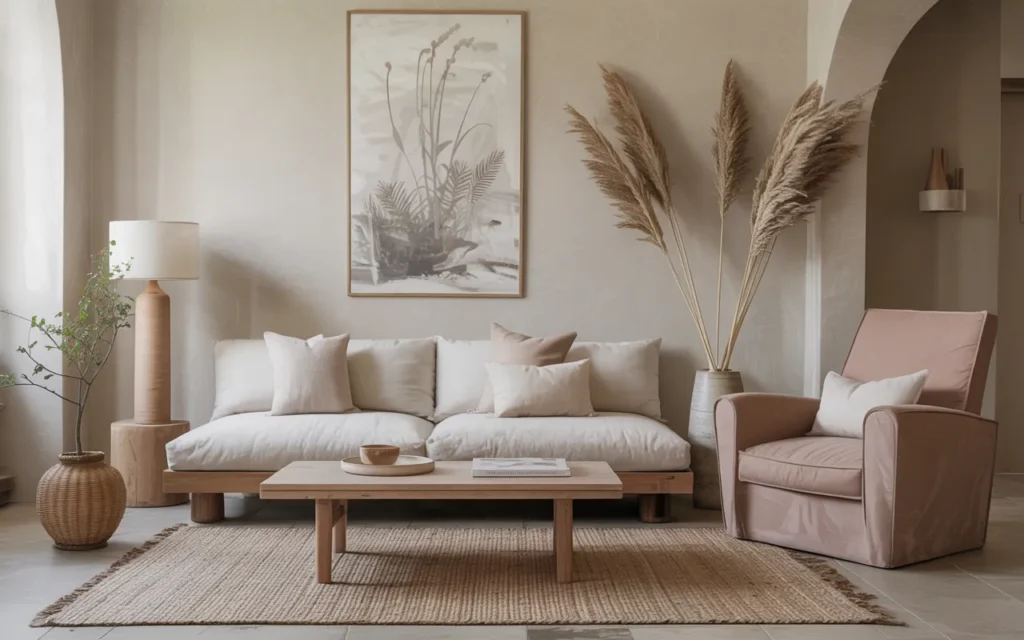
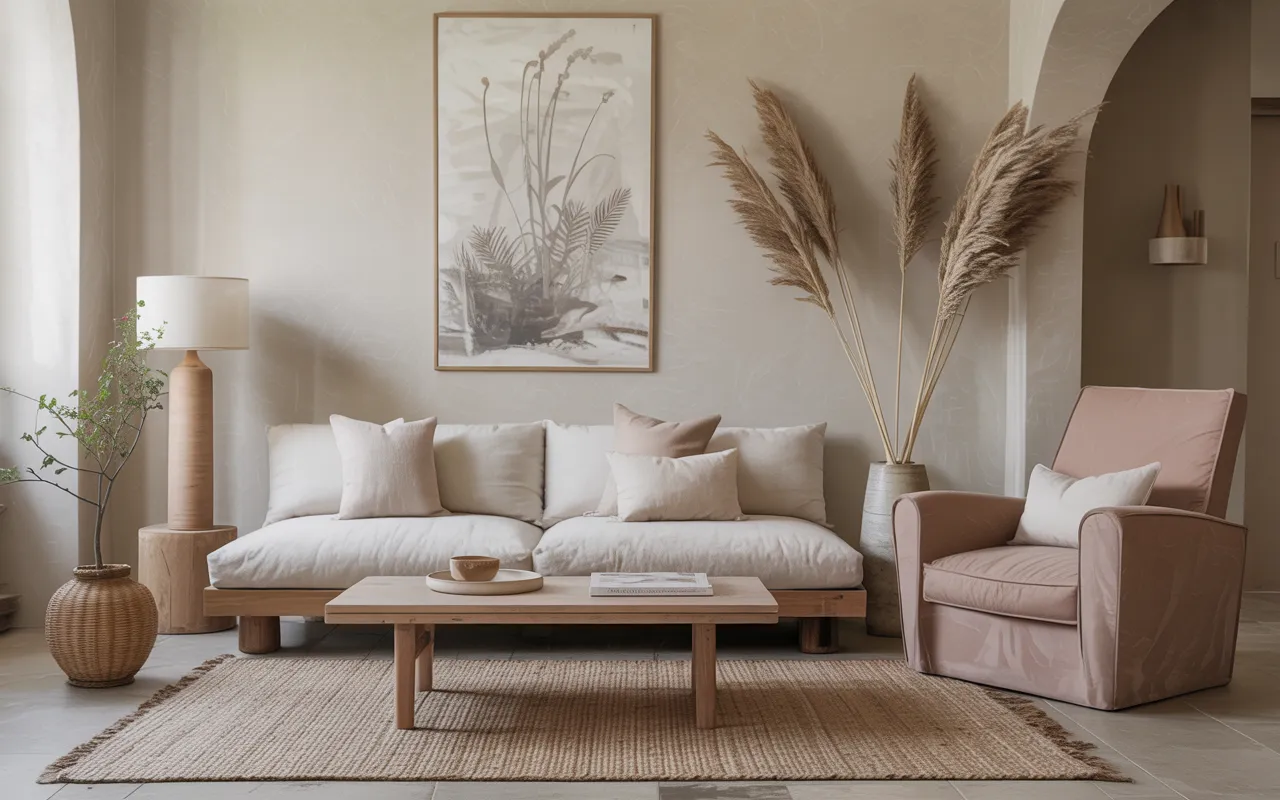
Japandi living room design combines the simplicity of Japanese minimalism with the warmth of Scandinavian style, creating a calm and inviting space. This approach focuses on neutral tones, natural textures, and functional furniture that emphasizes both beauty and comfort. From low wooden sofas and soft textiles to carefully curated decor and indoor greenery, every element is thoughtfully chosen. Whether it’s layered textures, subtle lighting, or minimalist storage solutions, these 24 Japandi living room ideas offer inspiration for creating a serene, stylish, and harmonious home environment.
1. Neutral Tones with Natural Textures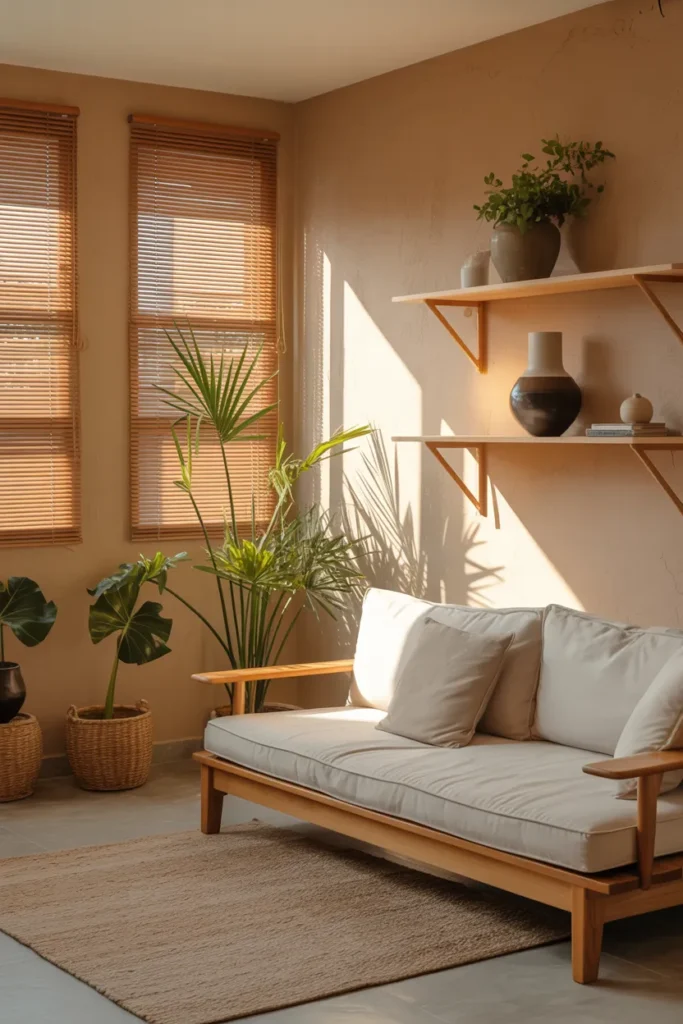
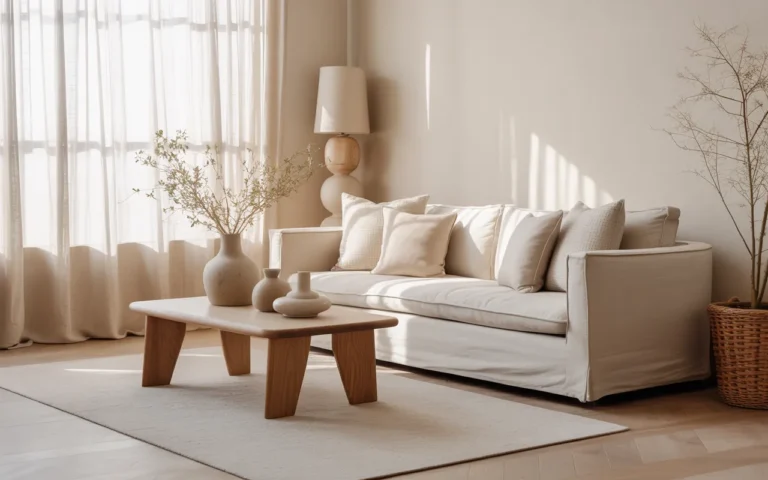
The Japandi living room emphasizes neutral tones paired with natural textures to create a relaxing environment. Soft beige walls and warm wooden floors set a calm foundation, while linen or cotton cushions and throws add comfort. A jute rug or bamboo blinds enhance the natural feel, giving the room a cozy yet open atmosphere. Minimalist furniture with clean lines keeps the space organized and airy, allowing light to flow freely and highlighting the beauty of simple materials. Subtle decorative elements bring warmth without creating clutter, staying true to the Japandi philosophy of balance between simplicity and functionality.
Every item in the room has a purpose, combining practicality with aesthetic appeal. Potted plants or bonsai trees add a touch of greenery and life, enhancing the tranquil vibe. The restrained color palette creates harmony, making the room a perfect space for relaxation, reading, or conversation. Natural light accentuates textures and materials, creating soft shadows that further enhance the calming ambiance. This approach demonstrates how minimalist design can be warm and inviting, proving that comfort and simplicity can coexist beautifully in a Japandi living room.
2. Low Wooden Sofa with Cozy Throws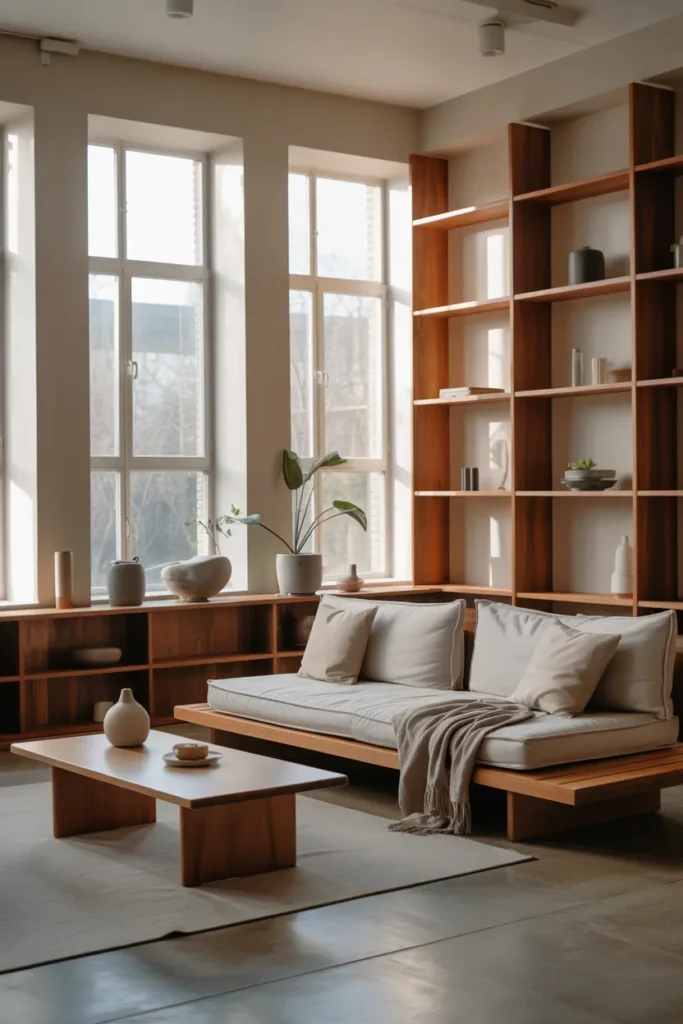
A low-profile wooden sofa is a key feature in Japandi living rooms, promoting openness and a grounded feel. Pairing it with soft throws and neutral cushions adds warmth and comfort without overwhelming the minimalist aesthetic. A simple wooden coffee table anchors the seating area, while sleek shelving units keep the space organized and clutter-free. Natural materials and clean lines create a harmonious environment, where every element serves both functional and decorative purposes. The balance between simplicity and comfort makes the room feel inviting while maintaining a calm, serene atmosphere.
Lighting and natural elements enhance the cozy vibe of this design. Sunlight highlights the textures of wood and fabrics, creating soft shadows that add depth to the space. Potted plants or small bonsai trees introduce greenery, enhancing the calming ambiance. This style shows how functional furniture can still be elegant and stylish, allowing the living room to feel both lived-in and serene. The combination of minimalism with subtle warmth defines the essence of Japandi design, making it ideal for relaxation or quiet conversation.
3. Scandinavian-Inspired Lighting and Minimal Decor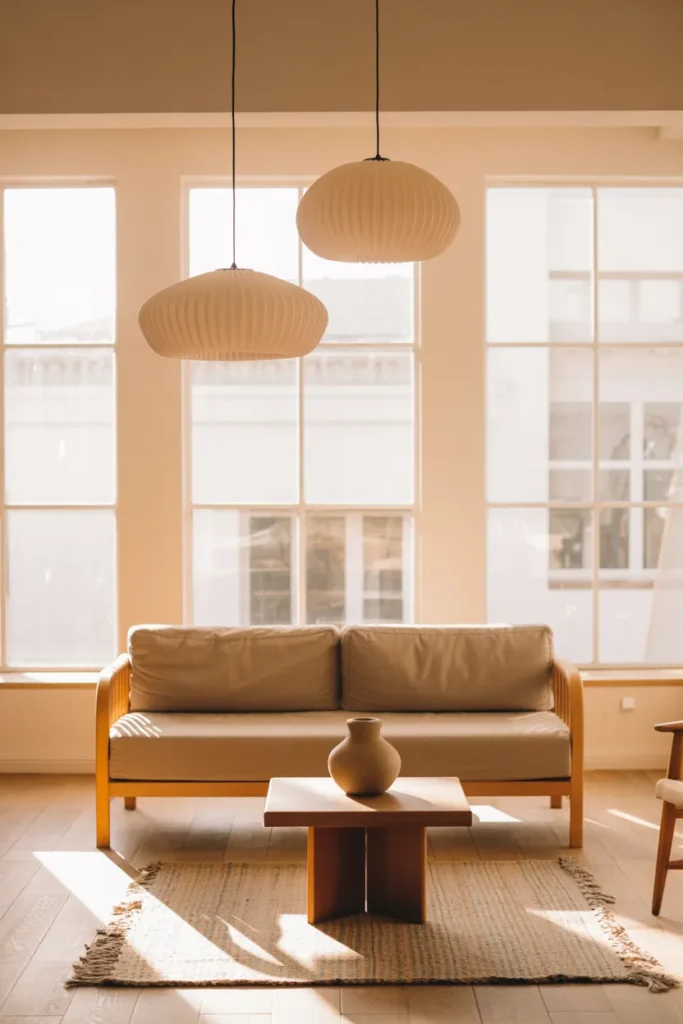
Lighting plays a vital role in Japandi living rooms, blending Japanese minimalism with Scandinavian warmth. Soft pendant lights or floor lamps with wooden details create a gentle, inviting glow, enhancing the serene atmosphere. Minimal decor keeps the space calm and uncluttered, with only a few statement pieces like a textured rug or handcrafted vase to add personality. Open areas allow for easy movement and let natural light accentuate the textures of wood, fabric, and natural fibers. Every item is carefully chosen to balance function and aesthetics, reflecting the thoughtful simplicity of Japandi design.
This approach emphasizes mindfulness in the living space, where less truly becomes more. The neutral palette and natural materials create harmony, while subtle decorative elements provide warmth without overwhelming the room. Lighting and natural textures work together to make the living room cozy yet minimal, a space perfect for relaxation, quiet reading, or peaceful conversation. By focusing on quality, simplicity, and functionality, this design highlights how minimalist interiors can feel inviting and comforting at the same time.
4. Open Shelving with Curated Accessories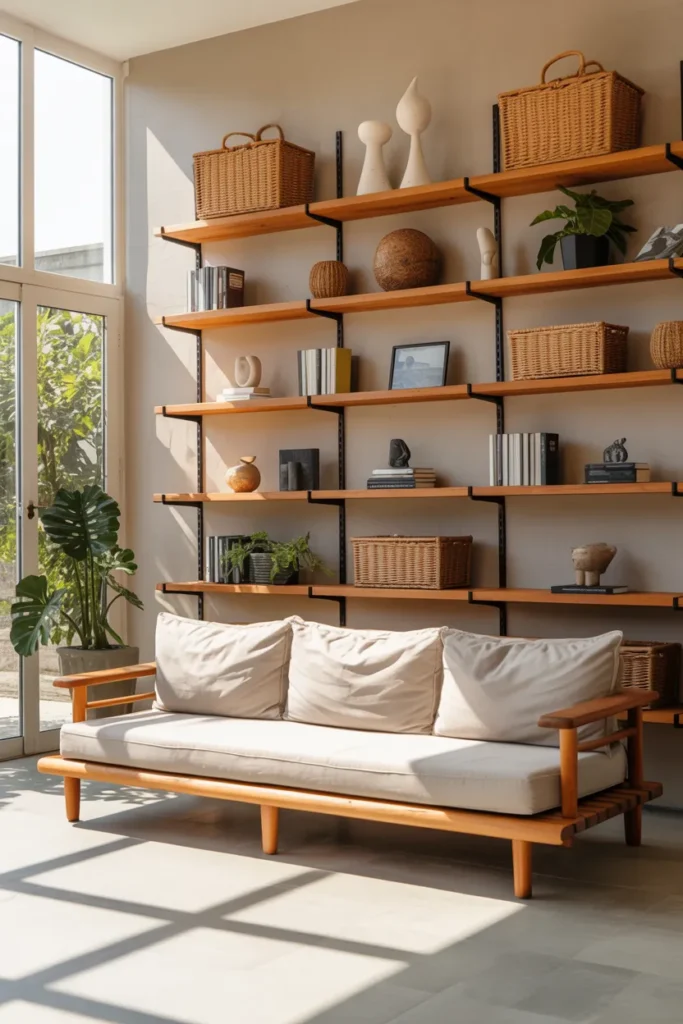
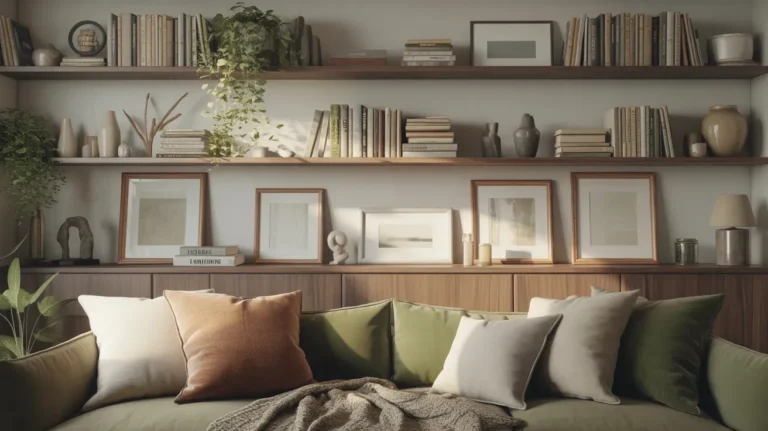
Open shelving is both practical and stylish in Japandi living rooms, allowing everyday items to double as decor. Wooden shelves display books, baskets, or small sculptures in a curated and organized way, emphasizing simplicity without clutter. Each piece is given space to breathe, contributing to the room’s calm energy. The combination of Japanese minimalism and Scandinavian warmth is evident in how functional objects enhance the visual appeal. This design keeps storage accessible while maintaining a clean, minimalist look that feels open and airy.
The curated approach encourages intentional living, where every object has meaning and purpose. Natural elements like small potted plants add life to the room without disrupting the aesthetic. Clean lines, neutral colors, and thoughtful placement of items create balance and harmony. Open shelving allows for personalization while preserving minimalism, demonstrating how simplicity and style can coexist. The result is a living room that feels organized, elegant, and welcoming, embodying the essence of Japandi design.
5. Minimalist Fireplace with Wooden Accents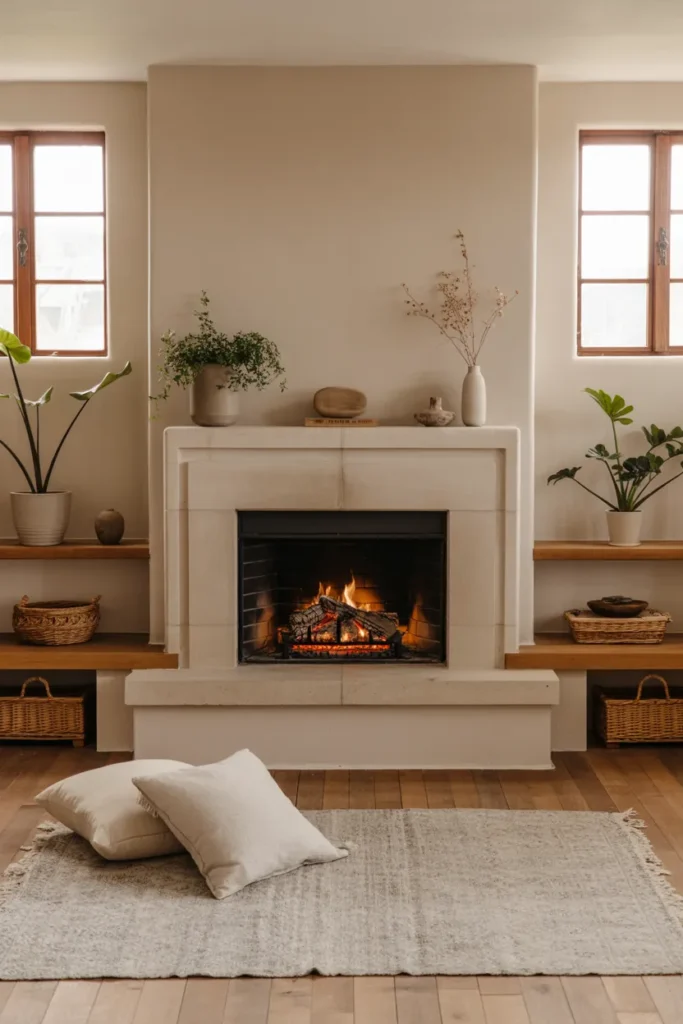
A minimalist fireplace serves as a cozy focal point in Japandi living rooms, combining warmth with elegance. Stone or concrete materials with clean lines maintain simplicity, while wooden accents like benches or shelving add warmth and texture. Cushions and soft rugs create a comfortable corner perfect for reading or relaxing. Natural elements, including small plants or driftwood decor, enhance the serene atmosphere. This balance of functionality and aesthetics ensures that the space remains both practical and visually pleasing, staying true to Japandi design principles.
The key to this style is simplicity without sacrificing comfort. Neutral tones, natural textures, and minimal decor create a calm and inviting environment. Soft lighting and sunlight accentuate the warmth of wood and stone, while cozy textiles provide comfort. Every element serves a purpose, allowing the fireplace to anchor the room while preserving an open, uncluttered feel. This design demonstrates how minimalist living rooms can still feel welcoming and restorative, combining elegance, functionality, and tranquility seamlessly.
Also view: 21 Boho Living Room Designs with Relaxed Chic Vibes
6. Light Wood Flooring with Soft Rugs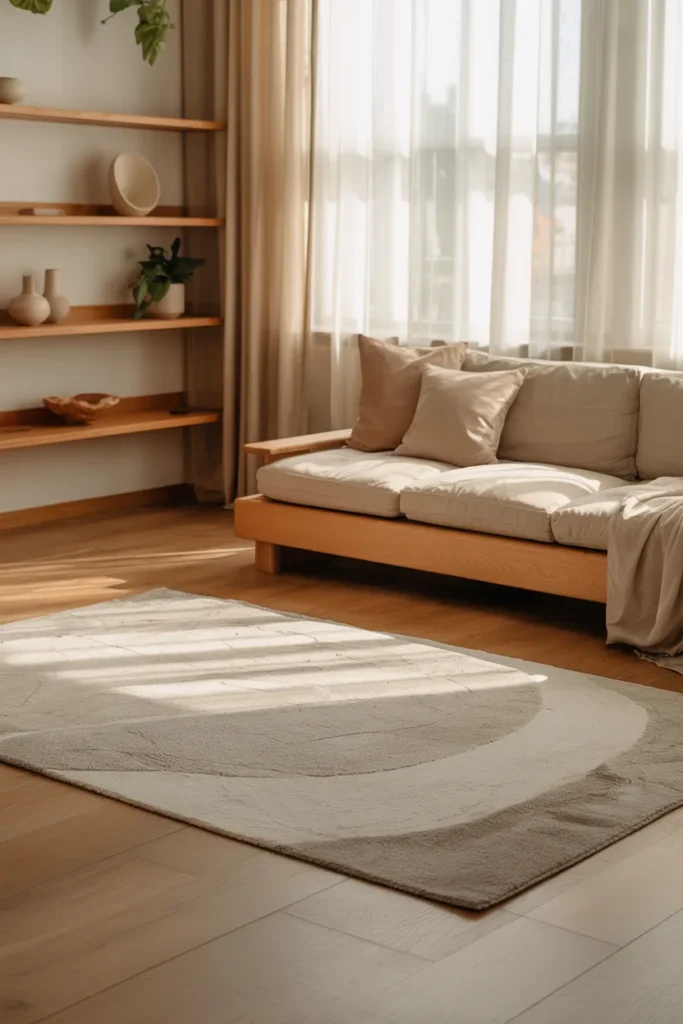
Light wood flooring is a staple of Japandi living rooms, adding warmth and natural beauty while keeping the space bright and open. Layering a soft, neutral-toned rug adds texture and comfort underfoot without overpowering the minimalist aesthetic. The combination of smooth wood and soft textiles creates a balanced and inviting atmosphere. Simple, functional furniture with clean lines enhances the sense of calm, while subtle decorative elements, such as ceramics or small plants, bring life and personality to the room. This design emphasizes harmony between natural materials and minimalist functionality.
The layering of textures allows the living room to feel cozy and welcoming while staying uncluttered. Sunlight enhances the beauty of the wooden floors and soft rug, creating a warm and serene ambiance. Carefully selected decor items maintain visual interest without creating chaos, keeping the room feeling calm and spacious. This approach illustrates the Japandi principle of blending simplicity, comfort, and natural materials, resulting in a living space that is both relaxing and aesthetically pleasing.
7. Neutral Walls with Wooden Accents
Neutral walls form the perfect backdrop for Japandi living rooms, providing a calming, timeless base. Wooden accents such as tables, shelves, and decorative pieces add warmth and texture without breaking the minimalist feel. The restrained color palette allows natural materials and soft textiles to stand out, creating a harmonious and inviting space. Every element is thoughtfully chosen to balance simplicity and comfort, ensuring that the room feels cozy while maintaining an uncluttered, open layout. This design reflects the Japandi philosophy of blending Japanese minimalism with Scandinavian warmth.
Wooden accents paired with neutral walls create a subtle visual contrast that enhances the room’s depth and character. Adding soft cushions, throws, or small potted plants introduces gentle layers of comfort, making the space feel welcoming. The design focuses on functionality, clean lines, and natural materials, allowing the living room to serve as a serene retreat. This balance of neutral tones and wooden textures creates a space that is both peaceful and aesthetically appealing, perfect for everyday living or quiet relaxation.
8. Simple Furniture with Natural Elements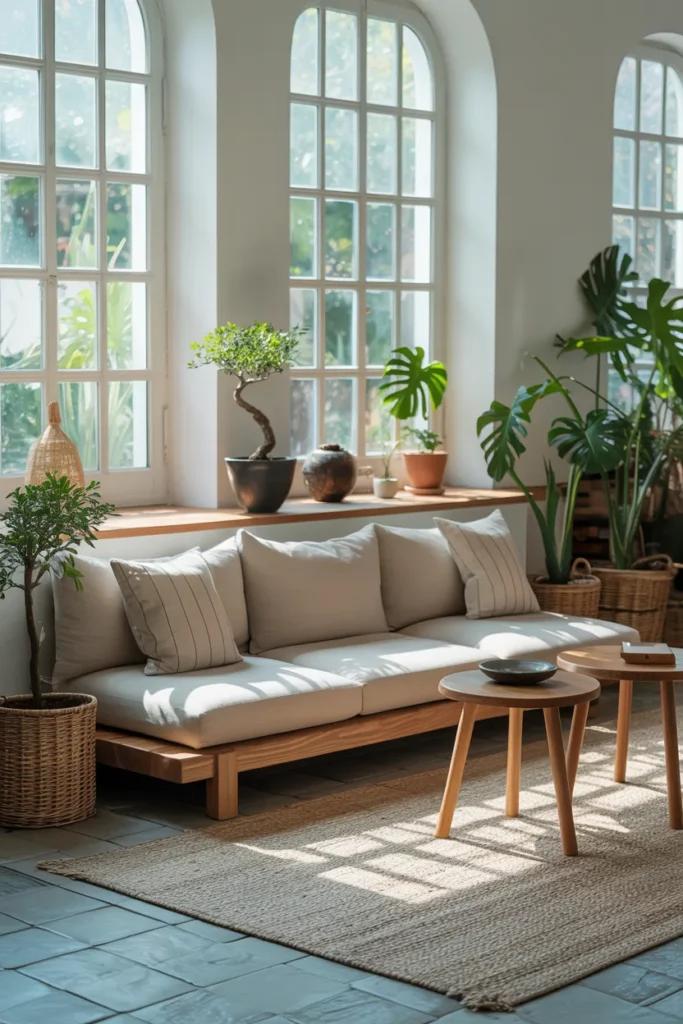
Japandi living rooms focus on simplicity in furniture, using clean-lined pieces that are functional and elegant. Low sofas, minimal tables, and open shelving contribute to the uncluttered aesthetic. Adding natural elements, such as potted plants, bonsai trees, or woven baskets, introduces texture and life into the space without overwhelming it. This approach reflects the blend of Japanese minimalism and Scandinavian warmth, creating a calm, balanced environment. By choosing furniture that is both practical and beautiful, the room feels inviting while maintaining a sense of order.
Incorporating natural elements also encourages mindfulness in everyday living. Sunlight highlights the textures of wood, textiles, and plants, enhancing the room’s peaceful atmosphere. Carefully curated decor ensures that each item serves a purpose, contributing to the overall harmony of the space. This combination of simple furniture and organic touches results in a living room that is both serene and stylish, perfect for relaxation, socializing, or quiet reflection.
9. Layered Textures for Warmth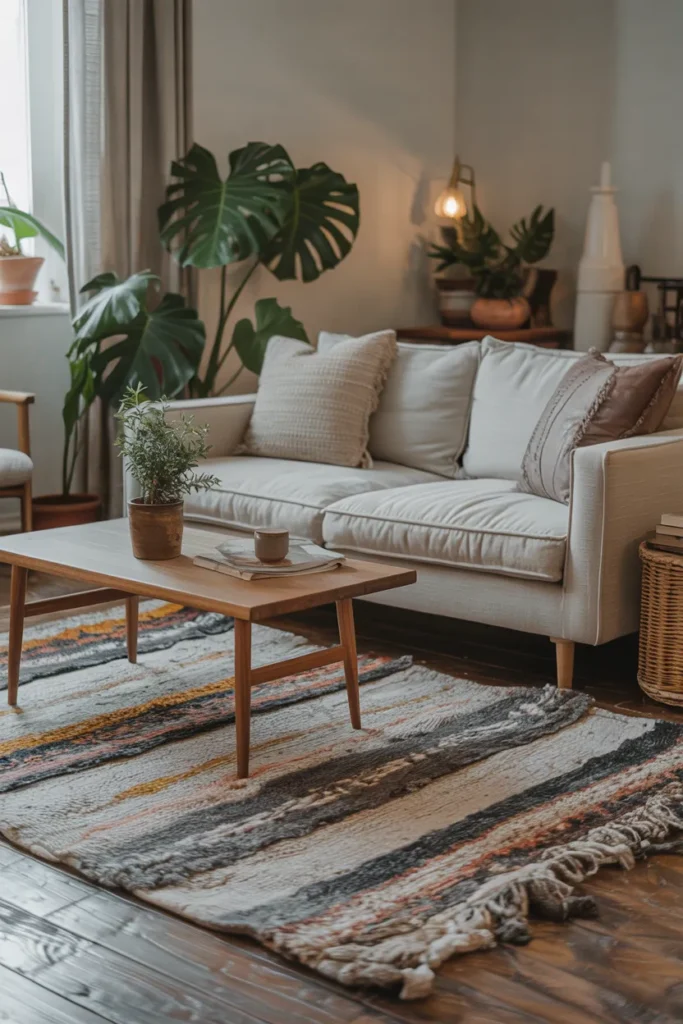
Layering textures is a key element in Japandi living rooms, adding depth and warmth to a minimalist space. Combining a soft rug, textured cushions, and smooth wooden surfaces creates visual interest while maintaining simplicity. Natural materials like wool, linen, and wood enhance the tactile experience and contribute to a calm, cozy environment. Minimalist furniture and carefully curated decor ensure the space remains uncluttered, allowing light and air to flow freely. This balance of textures demonstrates how simplicity can still feel inviting and comfortable.
The combination of layered textiles and natural materials promotes a sense of tranquility and well-being. Soft lighting and natural sunlight highlight the textures, creating a warm, welcoming ambiance. Potted plants and small decorative items add subtle pops of color and life, enhancing the minimalist aesthetic without overwhelming it. By focusing on texture and harmony, this design creates a Japandi living room that is both visually appealing and deeply comfortable for everyday use.
10. Functional Storage with Minimal Design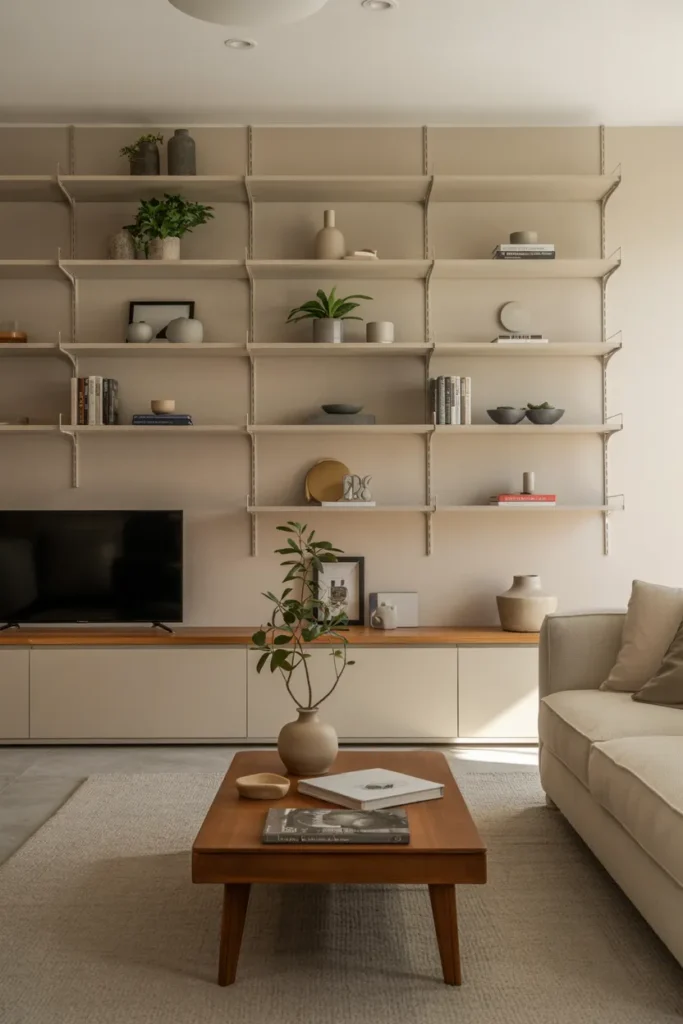
Functional storage is essential in Japandi living rooms to maintain a clean and minimalist aesthetic. Low-profile cabinets and open shelving provide space for essentials while doubling as subtle decor. Carefully chosen items like ceramics, books, or plants add personality without cluttering the room. This approach emphasizes the Japandi principle of balance—every object has a purpose and contributes to the room’s calm and harmonious atmosphere. Minimalist furniture and simple layouts enhance openness, creating a space that is both practical and visually soothing.
By integrating storage into the design, the living room remains organized and inviting. Open shelves allow decorative items to shine while maintaining order, and concealed cabinets hide essentials that might otherwise disrupt the clean aesthetic. Combining functionality with minimalist elegance ensures the room feels spacious and serene. Natural light, neutral tones, and wooden accents further enhance the calming environment, resulting in a living space that perfectly blends simplicity, comfort, and practicality.
11. Sliding Wooden Doors for Open Flow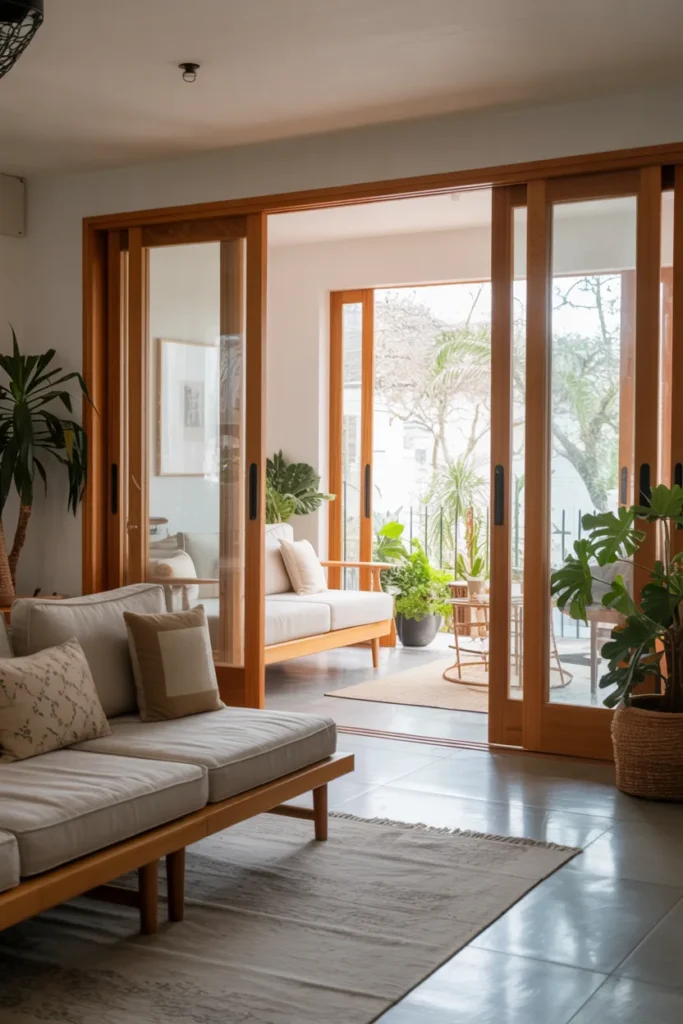
Sliding wooden doors are a hallmark of Japandi living rooms, blending functionality with minimalist elegance. They allow spaces to flow seamlessly while maintaining privacy when needed. The warm wooden tones add texture and natural appeal, harmonizing with neutral walls and simple furniture. This design creates a sense of openness and continuity, making even compact spaces feel larger and more inviting. By combining traditional Japanese elements with Scandinavian simplicity, the room achieves a calm, balanced atmosphere ideal for relaxation and everyday living.
These doors also enhance the room’s natural light and airflow. When opened, they connect adjacent spaces without breaking the minimalist aesthetic. Carefully placed furniture and subtle decor keep the living area uncluttered, emphasizing the beauty of simplicity. The combination of functionality, natural materials, and clean lines exemplifies the Japandi philosophy, ensuring that every detail serves a purpose while maintaining harmony and comfort.
12. Low Tables and Floor Seating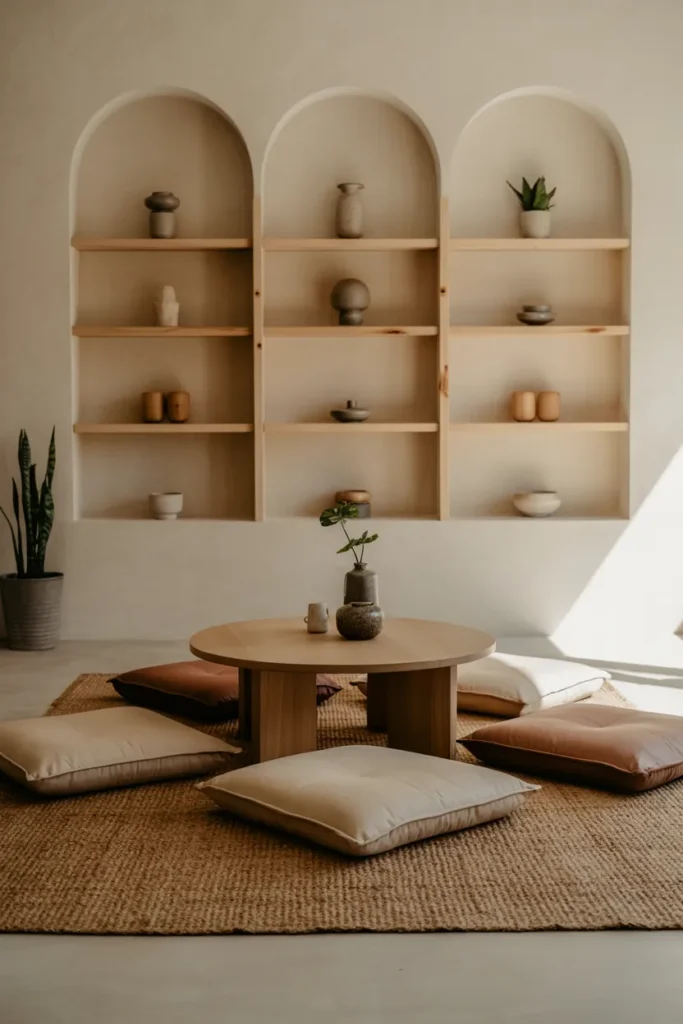
Low tables paired with floor seating create a grounded, intimate atmosphere in Japandi living rooms. This arrangement encourages relaxation, mindfulness, and connection, while maintaining a minimalist approach. Neutral cushions and soft rugs add comfort without cluttering the space, and a low wooden table provides functionality for reading, tea, or casual conversation. The simplicity of this setup highlights the beauty of natural materials and clean lines, creating a cozy yet spacious feel.
This style also emphasizes flexibility and openness. Floor seating can be rearranged easily, while low tables keep the visual weight minimal. Light-colored fabrics, wooden textures, and minimal decor enhance the calming effect, ensuring the room feels inviting and balanced. By focusing on both functionality and comfort, this design illustrates how Japandi interiors combine warmth and simplicity, providing a space that is both practical and aesthetically pleasing.
13. Neutral Artwork and Minimal Frames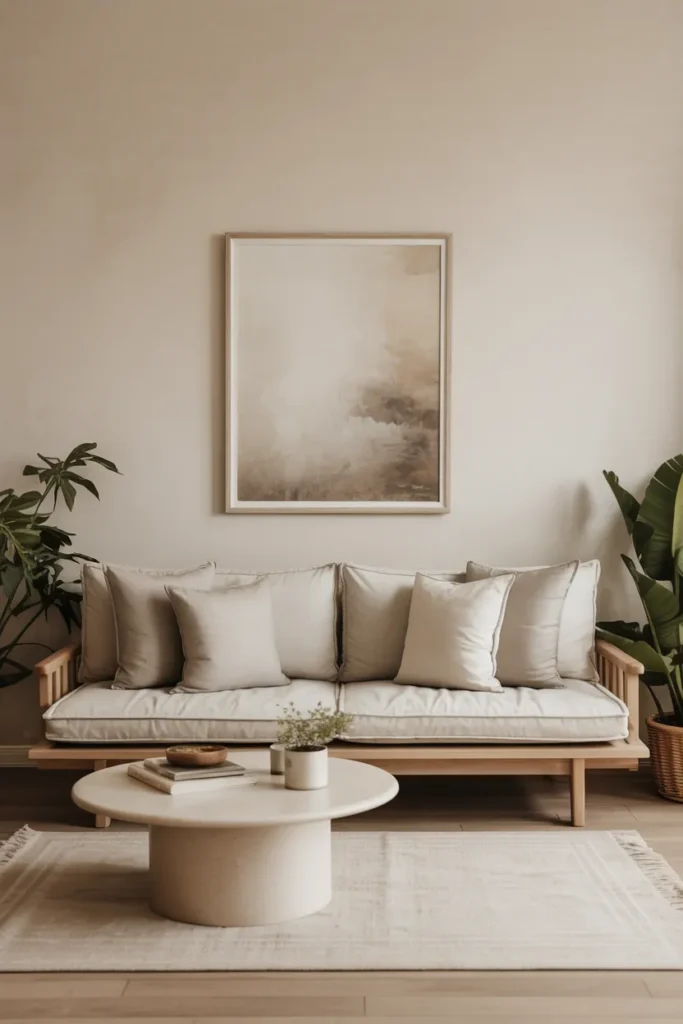
Neutral artwork in minimalist frames adds personality to a Japandi living room without overwhelming the space. Simple, subtle pieces blend with the neutral walls and wooden accents, enhancing the calming atmosphere. Artworks serve as focal points that guide the eye while maintaining the room’s serene, uncluttered feel. Choosing pieces with soft colors and natural textures ensures harmony with the overall design, reinforcing the Japandi emphasis on simplicity, balance, and understated elegance.
The careful placement of art encourages mindfulness and appreciation of each element in the room. Paired with soft furnishings and natural materials, the artwork complements the serene environment rather than distracting from it. By using minimal frames and neutral tones, the design preserves openness and tranquility. This approach demonstrates how art can enhance the aesthetic appeal of a Japandi living room while keeping the space peaceful, functional, and visually harmonious.
14. Indoor Plants for a Touch of Green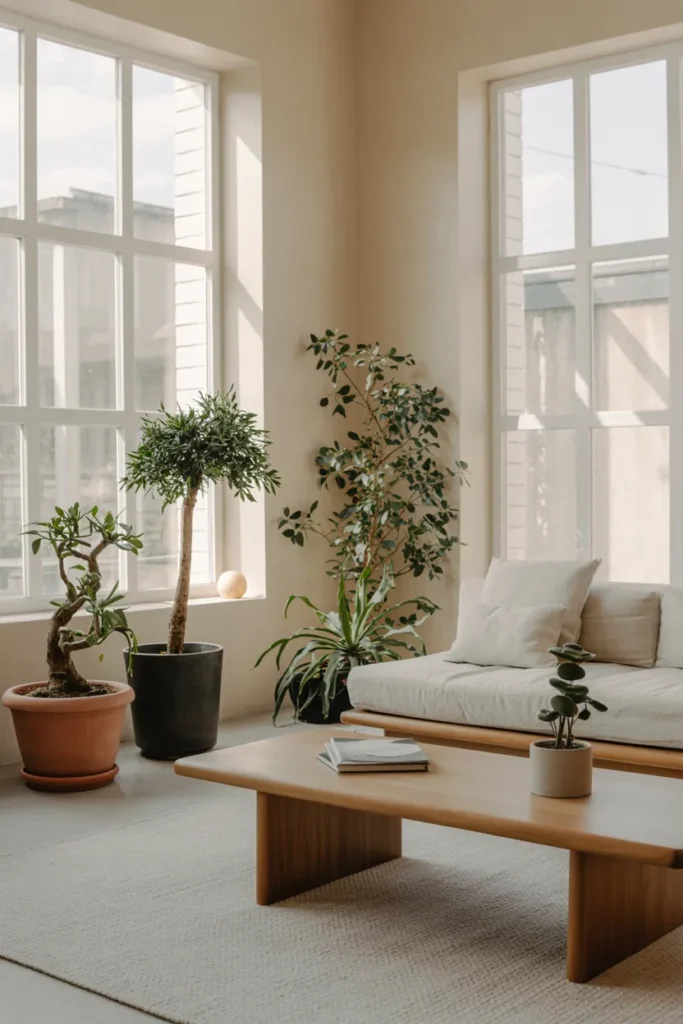
Indoor plants bring life and vibrancy to Japandi living rooms while maintaining a minimalist aesthetic. Carefully chosen greenery adds texture, color, and a calming presence without cluttering the space. Bonsai trees, leafy plants, or small potted greenery introduce a natural element that complements neutral walls, wooden furniture, and soft textiles. Plants also contribute to better air quality and create a peaceful environment that aligns with Japandi principles of simplicity, balance, and comfort.
Placing plants thoughtfully enhances both style and functionality. They serve as focal points that draw the eye and bring a sense of freshness and tranquility to the living room. Combined with natural light, neutral colors, and wooden accents, indoor greenery strengthens the connection between nature and interior design. This approach demonstrates how Japandi interiors use natural elements to create harmony, making the living space serene, inviting, and restorative.
15. Minimalist Shelving with Hidden Storage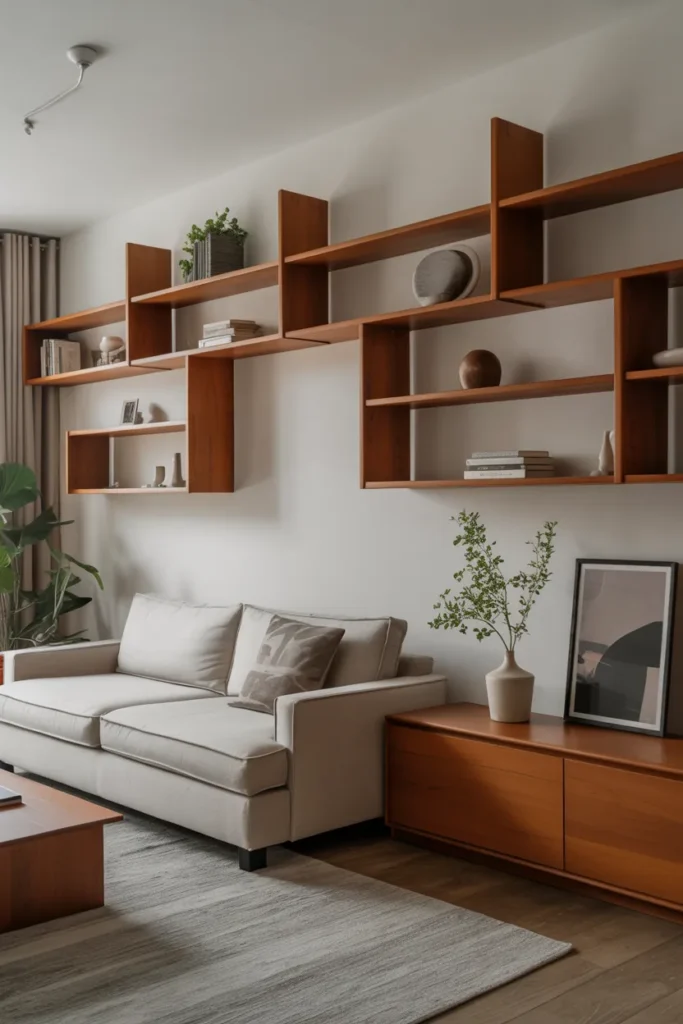
Minimalist shelving with hidden storage allows Japandi living rooms to stay organized while preserving a clean, uncluttered aesthetic. Open shelves display carefully selected decor like ceramics, books, or small plants, while closed compartments hide items that could disrupt the simplicity of the space. This design balances functionality and elegance, ensuring that storage solutions enhance rather than detract from the serene atmosphere.
Hidden storage also encourages intentional living, keeping the focus on essentials and meaningful items. The combination of open and closed shelving adds visual interest without clutter, while neutral tones and wooden textures maintain harmony throughout the room. By integrating practical storage into minimalist design, this approach keeps the living space tidy, calming, and visually appealing, fully embodying the Japandi philosophy.
16. Soft Linen Curtains with Natural Light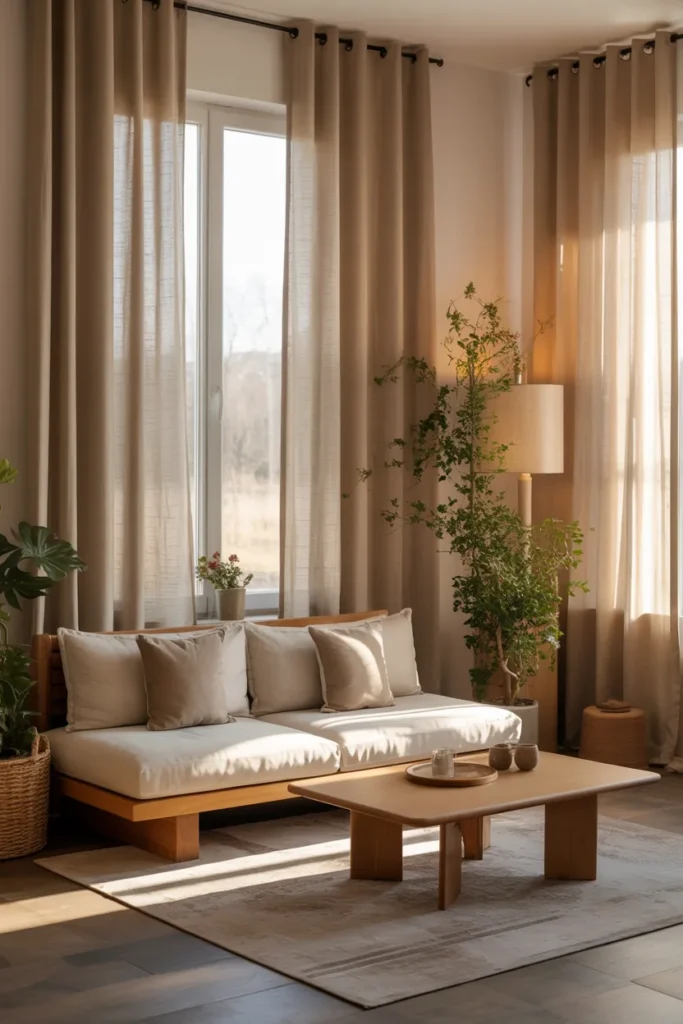
Soft linen curtains are ideal for Japandi living rooms, as they diffuse natural light and create a calm, serene atmosphere. The gentle flow of fabric softens the room’s edges while maintaining a minimalist aesthetic. Neutral-colored curtains blend seamlessly with wooden floors, furniture, and walls, creating a balanced, harmonious space. This approach ensures the room feels bright and open without compromising on warmth or comfort, embodying the Japandi philosophy of simplicity with natural elegance.
The curtains also enhance the connection between indoor and outdoor spaces by letting sunlight illuminate textures and natural materials. Combined with neutral furniture and subtle decor, they create a relaxing environment that encourages mindfulness and comfort. Soft textiles like linen harmonize with other natural elements in the room, ensuring that the living area feels inviting, cozy, and visually balanced. This simple design choice elevates both the functionality and aesthetic of the space.
17. Neutral Accent Wall with Wooden Features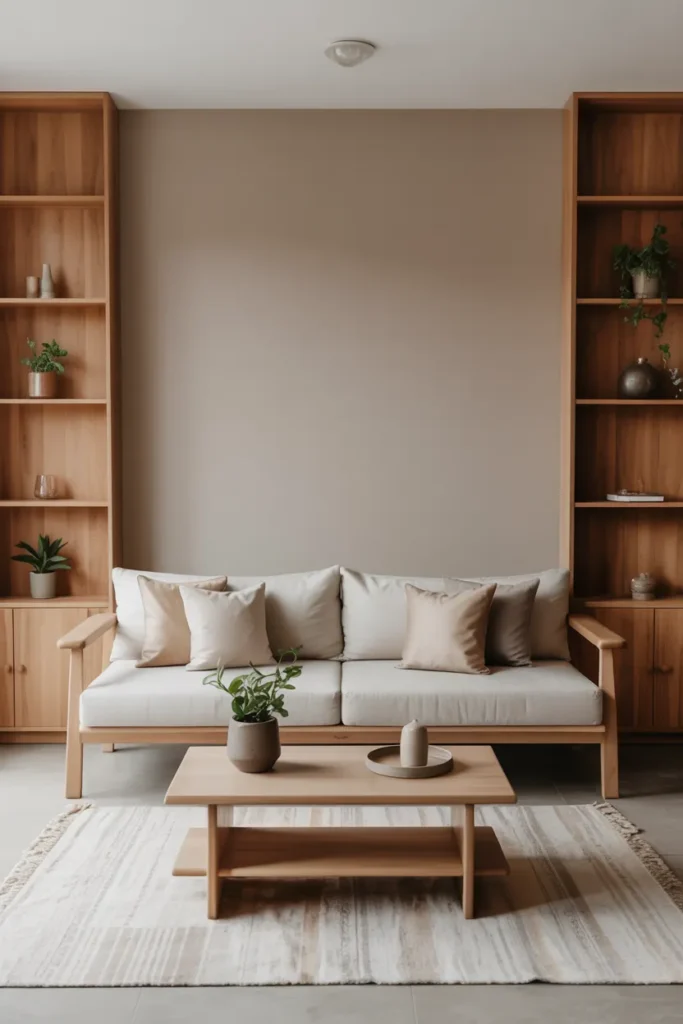
Using a neutral accent wall adds depth to a Japandi living room while keeping the space calm and minimalist. Light taupe, beige, or soft gray walls enhance natural wooden features and provide a subtle contrast that draws attention to furniture and decor. The accent wall creates a focal point without overpowering the room, allowing textures and natural elements to shine. This combination of neutral tones and wood embodies the balance of Scandinavian warmth and Japanese simplicity, essential to Japandi design.
The accent wall also helps define the living area visually, making it feel structured yet open. Wooden furniture and soft textiles harmonize with the wall, creating a cozy, inviting atmosphere. Small decorative items, such as potted plants or handcrafted ceramics, further enhance the space without cluttering it. This design demonstrates how subtle color choices paired with natural materials can elevate a minimalist living room while maintaining a serene, balanced aesthetic.
18. Low-Profile Storage Benches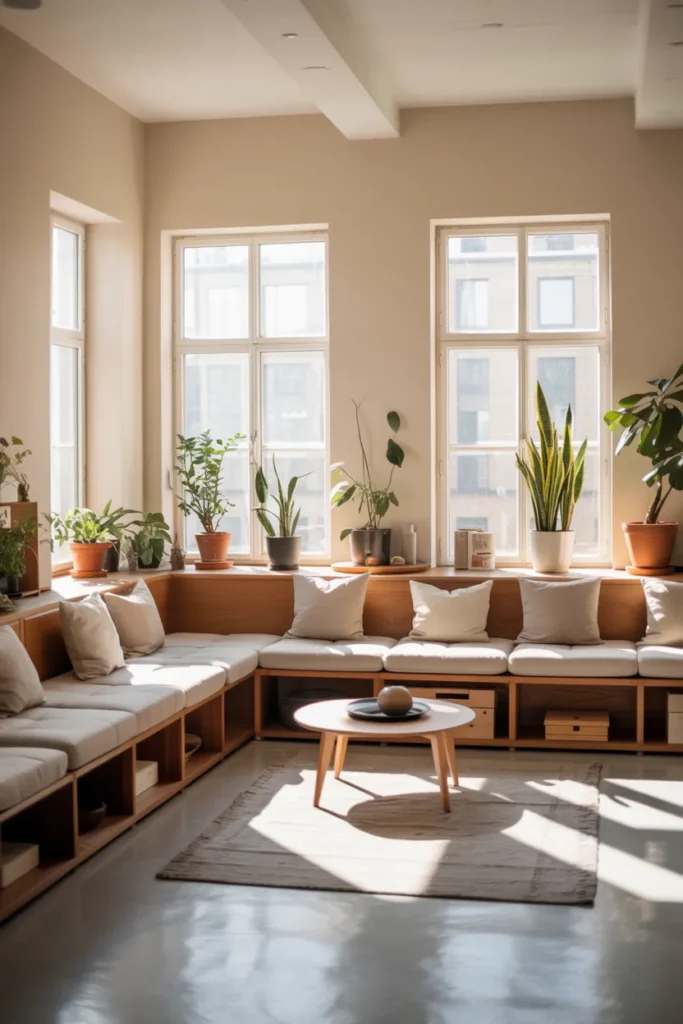
Low-profile storage benches are a functional and stylish addition to Japandi living rooms. They provide seating, hidden storage, and a minimalist aesthetic all at once. Neutral cushions add comfort, while the wooden texture complements other furniture and flooring. These benches help keep the space organized and clutter-free, reinforcing the clean lines and simplicity central to Japandi design. By combining functionality and elegance, the benches maintain the room’s serene and harmonious vibe.
The benches also create versatile seating options for guests or family members while maximizing floor space. Potted plants and subtle decor placed nearby enhance the calming, natural atmosphere. This combination of practical storage, minimalist design, and natural materials reflects Japandi’s focus on functionality and comfort, resulting in a living room that feels both inviting and visually balanced.
19. Natural Fiber Rugs for Texture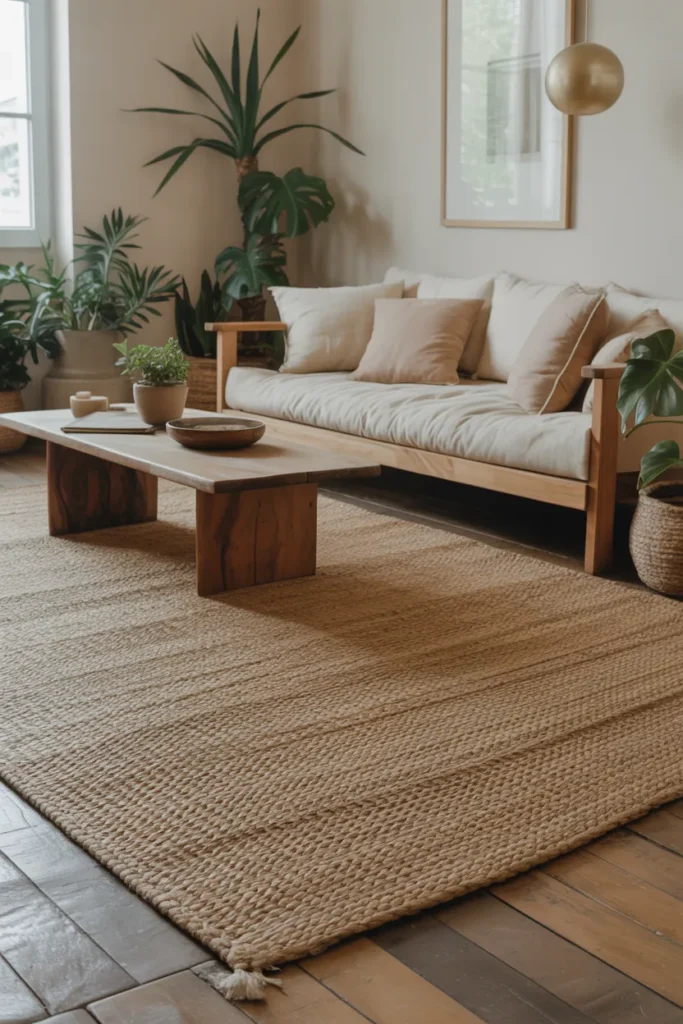
Natural fiber rugs add texture and warmth to Japandi living rooms without overwhelming the minimalist design. Materials like jute, sisal, or wool create subtle visual interest while complementing neutral tones and wooden furniture. These rugs soften the room’s appearance, making it feel cozy and inviting. The tactile quality of natural fibers enhances the sensory experience of the space, while maintaining Japandi’s balance between simplicity and comfort.
Rugs also help define the seating area, creating a cohesive and organized layout. Combined with low furniture, neutral textiles, and natural light, they enhance the room’s calming ambiance. The addition of small plants or handcrafted decor further emphasizes harmony and mindfulness, allowing the living space to feel both functional and aesthetically pleasing. This approach proves how simple, natural materials can transform a minimalist living room into a warm, serene retreat.
20. Balanced Symmetry with Simple Decor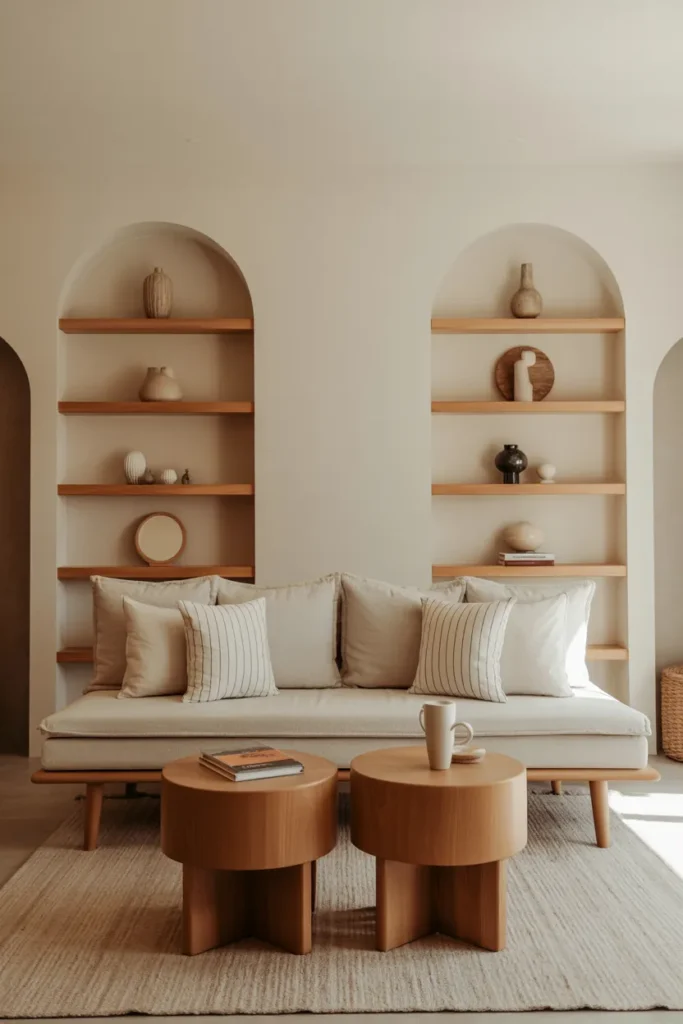
Balanced symmetry enhances the calming atmosphere of a Japandi living room. Arranging furniture and decor in a symmetrical way creates visual harmony, making the space feel organized and peaceful. Low sofas flanked by matching tables, paired with carefully curated decorative items, draw the eye evenly across the room. This approach emphasizes mindfulness and intentional placement, reflecting the Japandi focus on simplicity and thoughtful design.
Symmetry also contributes to a sense of stability and order without making the space feel rigid. Neutral colors, wooden textures, and soft textiles work together to maintain warmth and comfort. Minimal decor ensures that every element serves a purpose while complementing the overall aesthetic. The result is a serene, inviting living room that feels balanced, functional, and visually harmonious, perfect for relaxation and daily living.
21. Minimalist Wall Shelves with Greenery
Minimalist wall shelves are a subtle way to add style and functionality to Japandi living rooms. By displaying only a few carefully chosen items, such as small plants or ceramics, the shelves maintain a clean and uncluttered aesthetic. This approach emphasizes quality over quantity, allowing each piece to contribute to the room’s serene, balanced vibe. The combination of natural wood, neutral colors, and simple design reflects the Japandi principle of creating harmony between function and beauty.
These shelves also draw the eye upward, adding visual interest without overwhelming the space. Potted plants introduce a touch of greenery, softening the lines of furniture and adding life to the room. Neutral textiles, wooden accents, and open space enhance the calming, peaceful atmosphere, making this design both practical and aesthetically pleasing. It exemplifies how minimal decor can create a living room that feels tranquil, organized, and inviting.
22. Zen-Inspired Corner Seating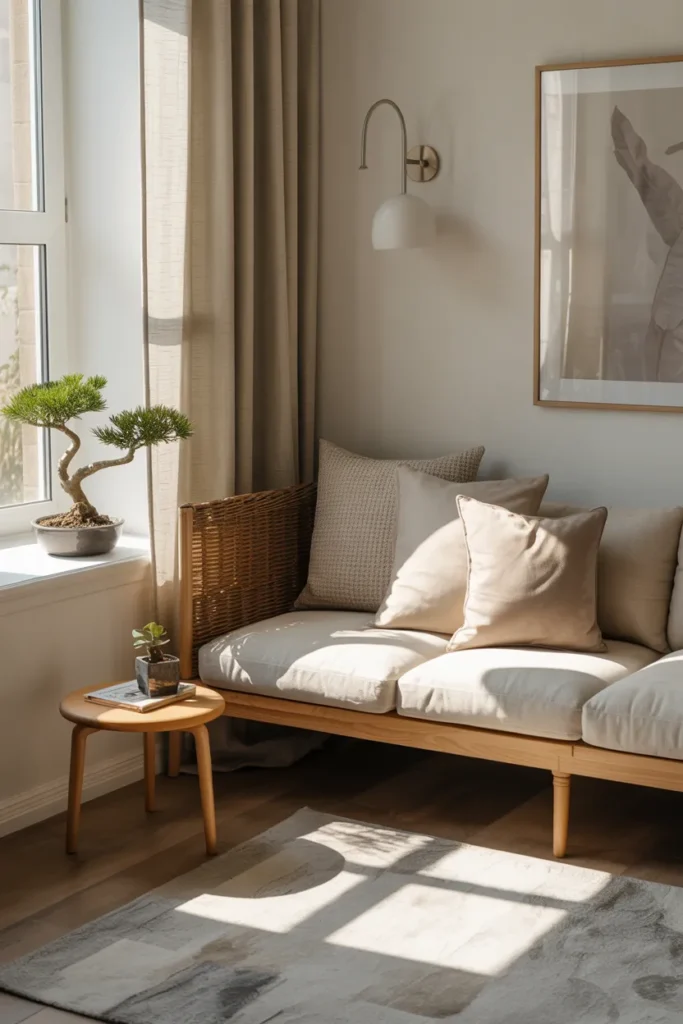
Creating a Zen-inspired corner adds a meditative and relaxing space within a Japandi living room. A low wooden bench paired with cushions provides comfort, while a small table or bonsai plant introduces functional decor. This corner encourages quiet reflection, reading, or casual conversation in a serene environment. The simplicity of the design emphasizes mindfulness, allowing the natural textures, soft textiles, and neutral tones to shine. Every element is carefully curated to balance aesthetics with comfort, reflecting Japandi design principles.
The corner also reinforces the room’s overall sense of calm and balance. Sunlight enhances the textures of the wood and fabrics, while greenery introduces a refreshing touch of life. By creating a dedicated space for relaxation, this design demonstrates how minimalism can support well-being and tranquility. The combination of functional furniture, soft textiles, and natural elements makes this corner both inviting and visually harmonious, embodying the essence of Japandi living.
23. Neutral Palette with Statement Furniture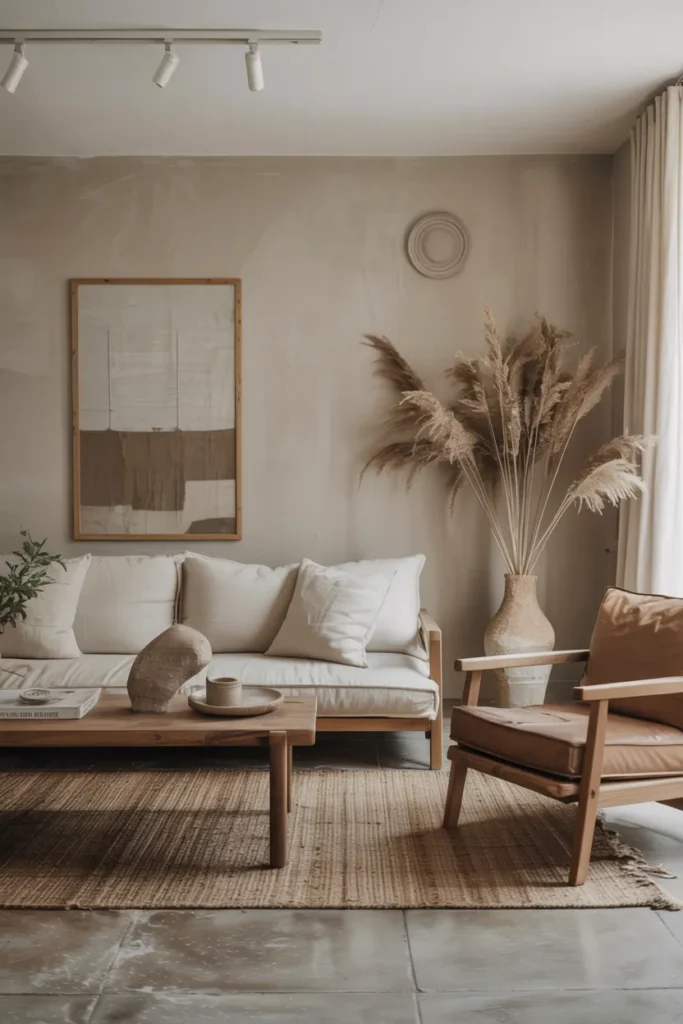
A neutral palette forms the foundation of Japandi living rooms, allowing statement furniture pieces to stand out without overwhelming the space. A carefully chosen armchair or coffee table can serve as a focal point while maintaining harmony with soft textiles, wooden accents, and neutral walls. This balance of subtle colors and standout pieces enhances the aesthetic appeal while keeping the room serene and uncluttered. Japandi design thrives on simplicity, functionality, and thoughtful selection, ensuring that every piece contributes to the overall atmosphere.
Statement furniture also adds personality and character to a minimalist space. By choosing muted tones that complement the neutral palette, the room remains cohesive and calming. Soft lighting, natural textures, and carefully curated decor further reinforce the tranquil, inviting vibe. This approach demonstrates how Japandi living rooms combine elegance, comfort, and simplicity, creating a harmonious space that is both visually appealing and perfect for everyday living.
Conclusion :
Japandi living rooms perfectly balance simplicity, functionality, and warmth. By combining neutral palettes, natural materials, and minimalist furniture with thoughtful decor, these designs create spaces that are both calming and stylish. Incorporating elements like soft rugs, greenery, layered textures, and subtle lighting enhances comfort while maintaining a clean aesthetic. These 24 ideas showcase how mindful design can transform a living room into a serene retreat, offering inspiration for anyone looking to achieve minimalist elegance with cozy, inviting appeal.