22 Stunning Open Floor Plan Ideas That Bring Light
Open floor plans create a sense of light, flow, and openness that makes homes feel more spacious and inviting. With thoughtful layouts, natural light, and cohesive design, these spaces balance functionality with visual harmony. These 22 stunning open floor plan ideas highlight smart furniture placement, soft color palettes, and seamless transitions between living, dining, and kitchen areas. Whether your style is modern, minimal, or warm and cozy, these ideas show how open layouts can feel airy, connected, and beautifully designed.
1. Cozy Modern Farmhouse Open Kitchen Flow
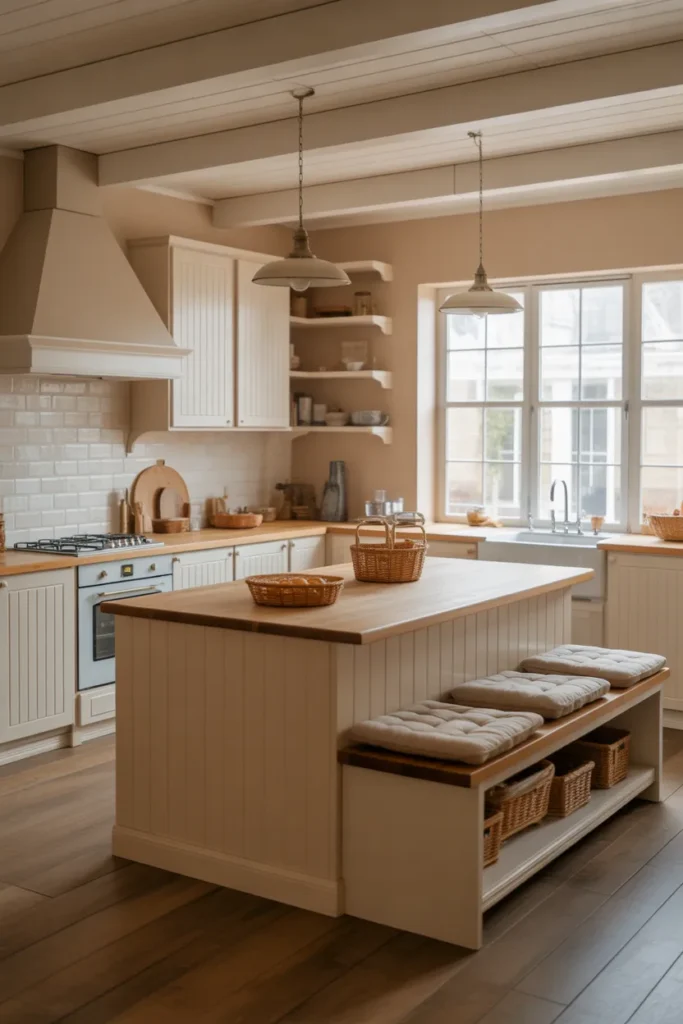 A modern farmhouse open kitchen brings warmth and connection into the heart of the home. White cabinetry brightens the space while natural wood surfaces add balance and texture. The open layout allows light to move freely, creating a welcoming atmosphere that feels spacious yet comfortable. A central island becomes a gathering place where cooking and conversation happen naturally without barriers.
This type of kitchen feels lived-in rather than overly styled. Open shelving keeps the design relaxed and functional, while soft neutral tones maintain visual calm. The overall flow encourages togetherness and everyday comfort, making the kitchen feel like a natural extension of the living space.
2. Seamless Kitchen-to-Living Room Connection
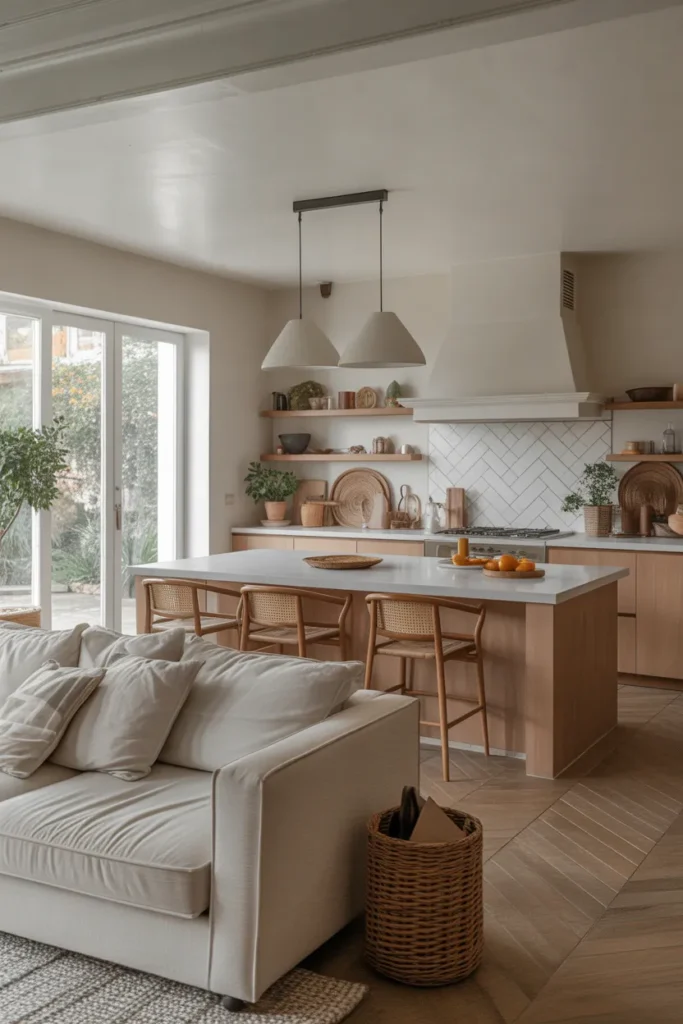 A seamless connection between the kitchen and living room enhances both comfort and functionality. Using consistent colors and materials helps the spaces blend naturally, creating harmony instead of separation. Without walls blocking the view, light travels easily, making the entire area feel open and breathable. Furniture placement plays a key role in defining zones while preserving flow.
This layout supports daily living effortlessly. Cooking, relaxing, and socializing happen within one cohesive environment, making the home feel more connected. Soft textures and warm tones prevent the open space from feeling cold, ensuring balance between openness and coziness.
3. Light-Filled Open Dining Area
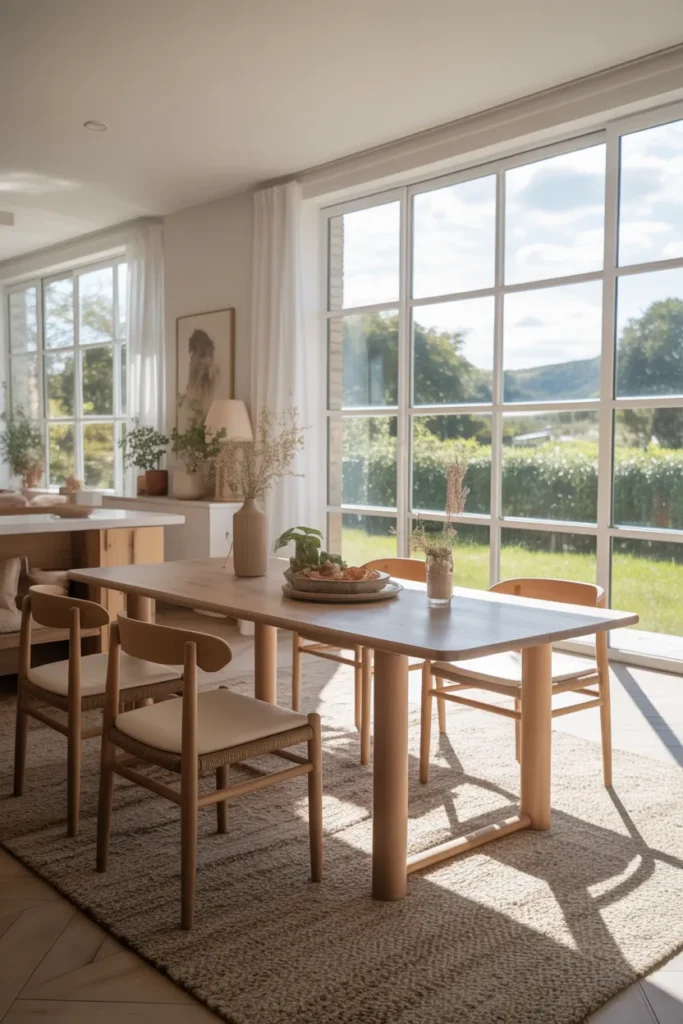 An open dining area filled with natural light feels elegant and refreshing. Large windows create brightness while allowing the space to feel expansive and welcoming. Light wood furniture and neutral seating maintain softness, preventing visual heaviness. Keeping decor minimal helps the room feel calm and uncluttered.
This dining setup supports both everyday meals and gatherings. The openness encourages movement and interaction while preserving comfort. Natural light enhances the experience, making the dining area feel uplifting and relaxed, perfectly suited for a connected open floor plan.
4. Open Floor Plan with Soft Zoning Elements
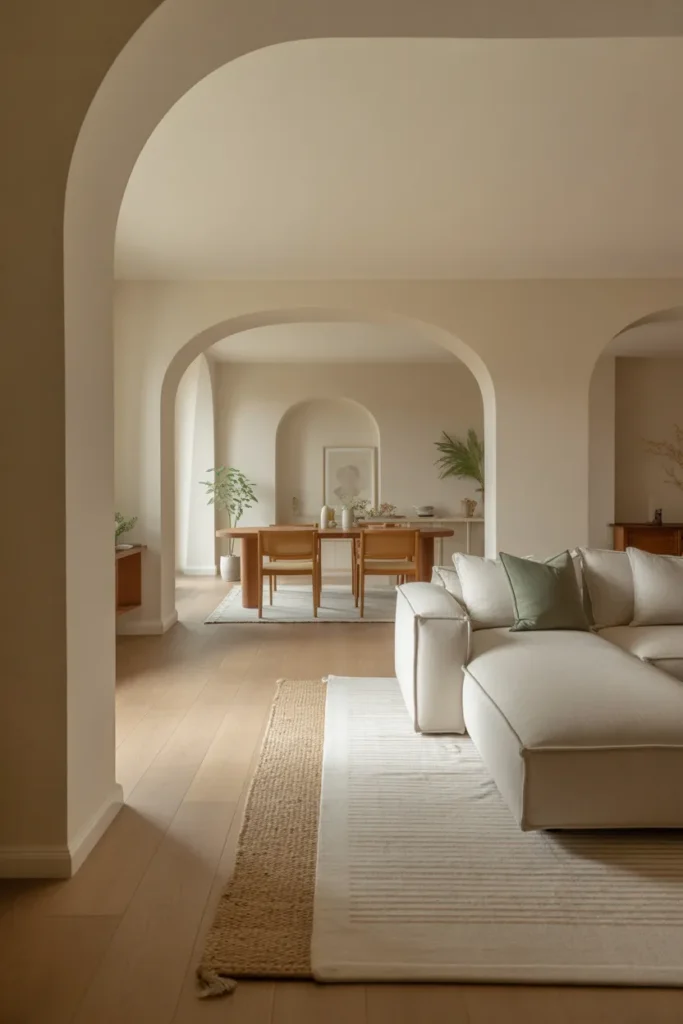 Soft zoning helps define areas within an open layout without sacrificing flow. Rugs, lighting, and furniture placement create subtle boundaries that guide movement naturally. Neutral tones ensure smooth transitions between spaces, allowing the home to feel cohesive rather than fragmented.
This approach brings structure while maintaining openness. Each area feels intentional without closing off light or space. Soft zoning enhances functionality while keeping the environment visually calm, making the open floor plan comfortable and easy to live in.
5. Airy Neutral Palette for Visual Calm
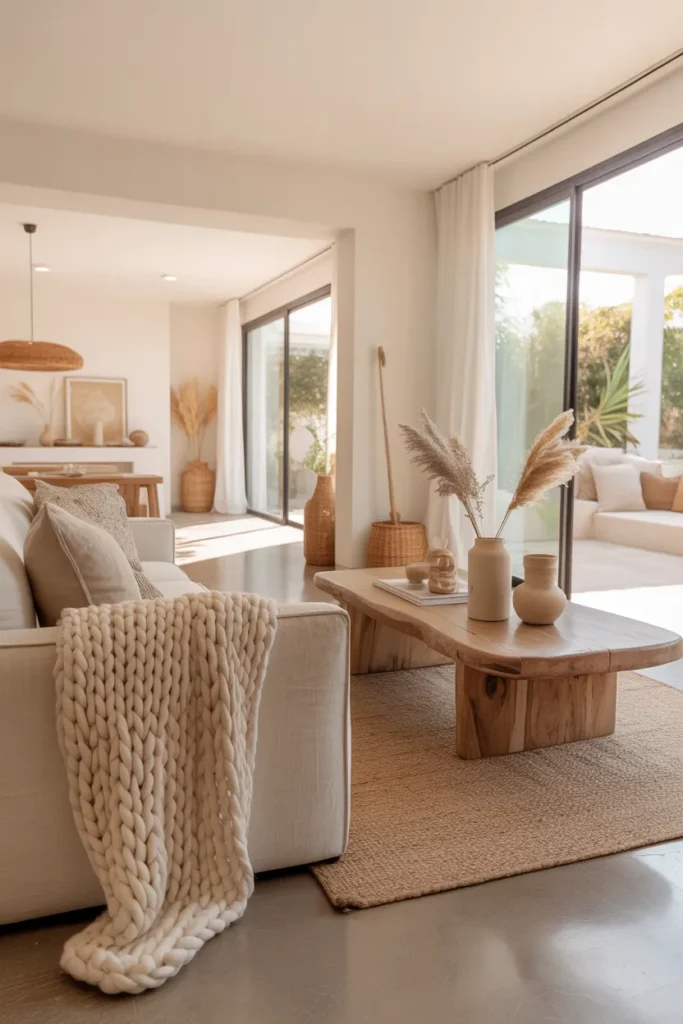 A neutral color palette plays a powerful role in creating an airy open floor plan. Soft whites, beiges, and warm wood tones reflect light beautifully, preventing the space from feeling heavy. Natural textures add depth while maintaining simplicity and balance.
This color approach creates a peaceful environment where the eye can rest. The openness feels intentional and soothing, making the home appear larger and brighter. A neutral palette ensures timeless appeal while supporting light, flow, and everyday comfort.
6. Open Kitchen with Oversized Central Island
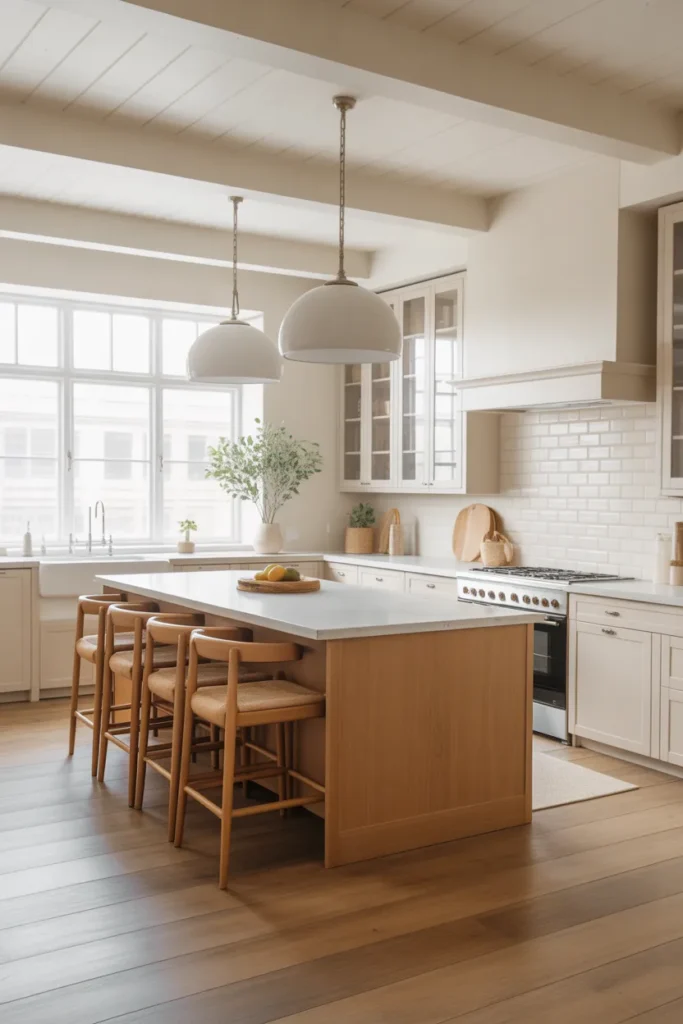 An oversized kitchen island anchors an open floor plan beautifully. It serves as a functional centerpiece while maintaining openness and flow. Neutral finishes keep the island visually light, while warm accents add comfort. Seating around the island encourages connection without interrupting movement.
This design supports multitasking and social interaction. Cooking, dining, and gathering happen naturally around the island, making it a practical yet inviting feature. The open layout ensures the kitchen feels integrated rather than isolated.
7. Living Room with Floor-to-Ceiling Windows
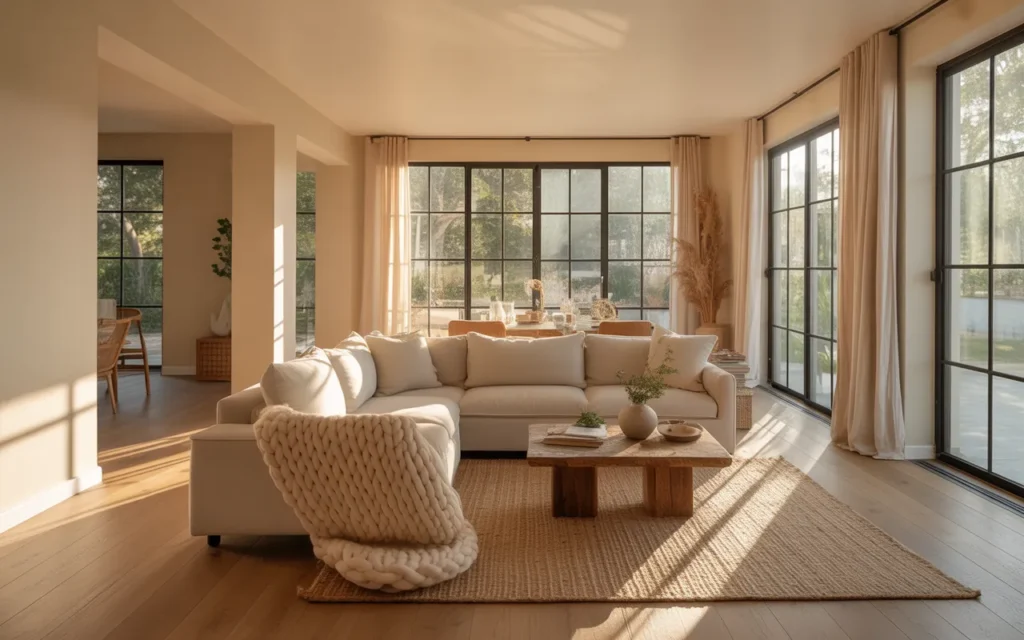
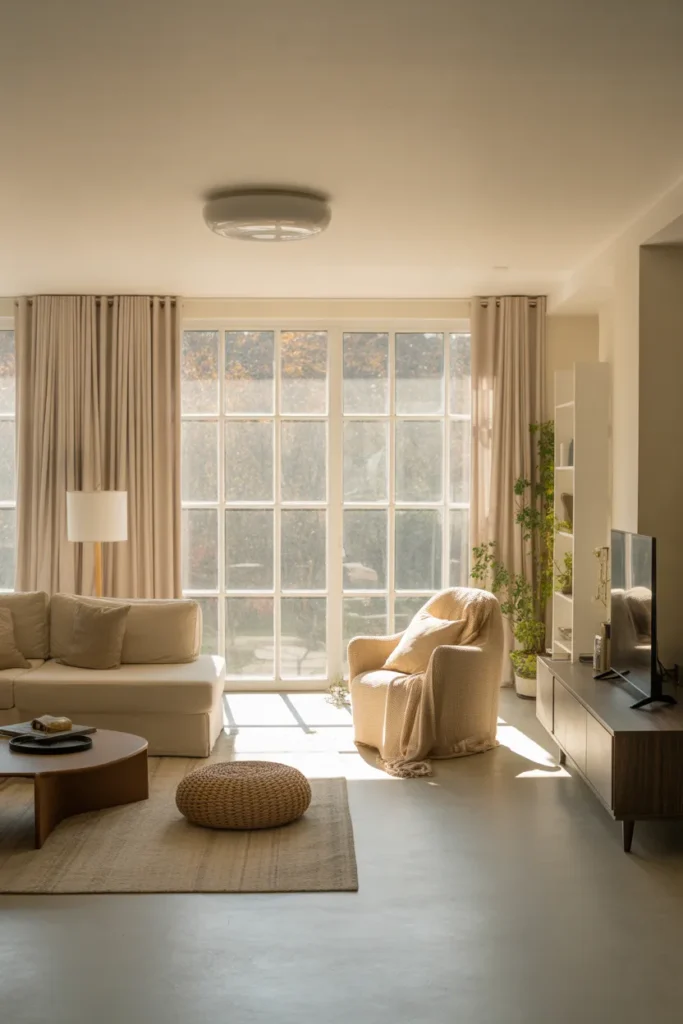 Floor-to-ceiling windows transform an open living room by maximizing natural light. The abundance of daylight creates a sense of openness and connection to the outdoors. Neutral furniture keeps attention on light and space rather than clutter.
Soft textiles add warmth without blocking openness. The room feels calm, fresh, and expansive throughout the day. This design enhances breathing space while maintaining comfort, making the living room feel both energizing and relaxing.
8. Open Floor Plan with Consistent Flooring
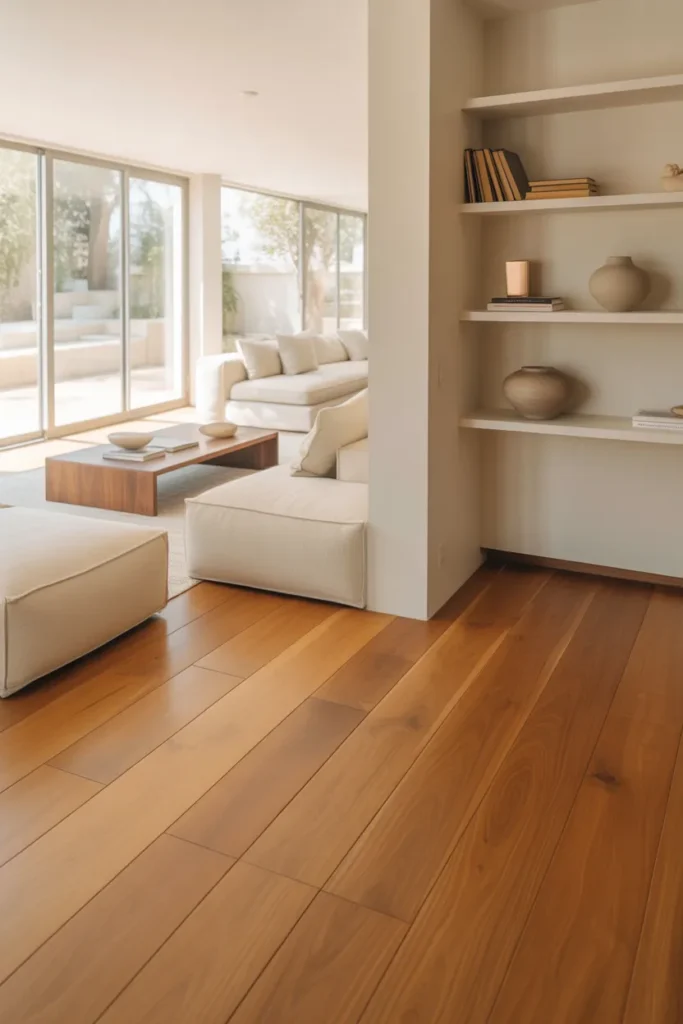 Using consistent flooring throughout an open floor plan creates visual unity. Continuous flooring allows the eye to move smoothly from one area to another, making the space feel larger and more cohesive. Natural wood tones add warmth without interrupting flow.
This approach removes unnecessary visual breaks. It enhances movement and makes transitions feel effortless. The result is a home that feels balanced, calm, and intentionally designed from one end to the other.
9. Open Concept with Soft Archways
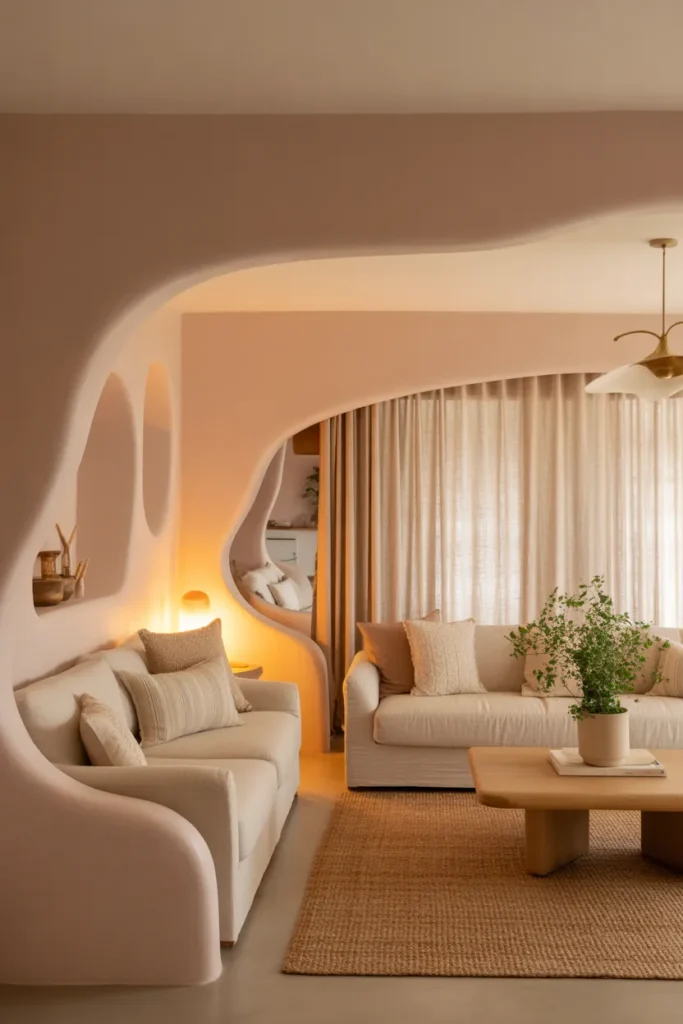 Soft archways introduce architectural character without closing off space. They gently define areas while allowing light and sightlines to remain uninterrupted. Neutral colors enhance the softness, keeping the overall look airy and elegant.
This design blends structure with openness. The curves add warmth and timeless charm while preserving flow. Archways create visual interest without sacrificing the breathing space essential to an open floor plan.
10. Kitchen and Dining Blend with Natural Textures
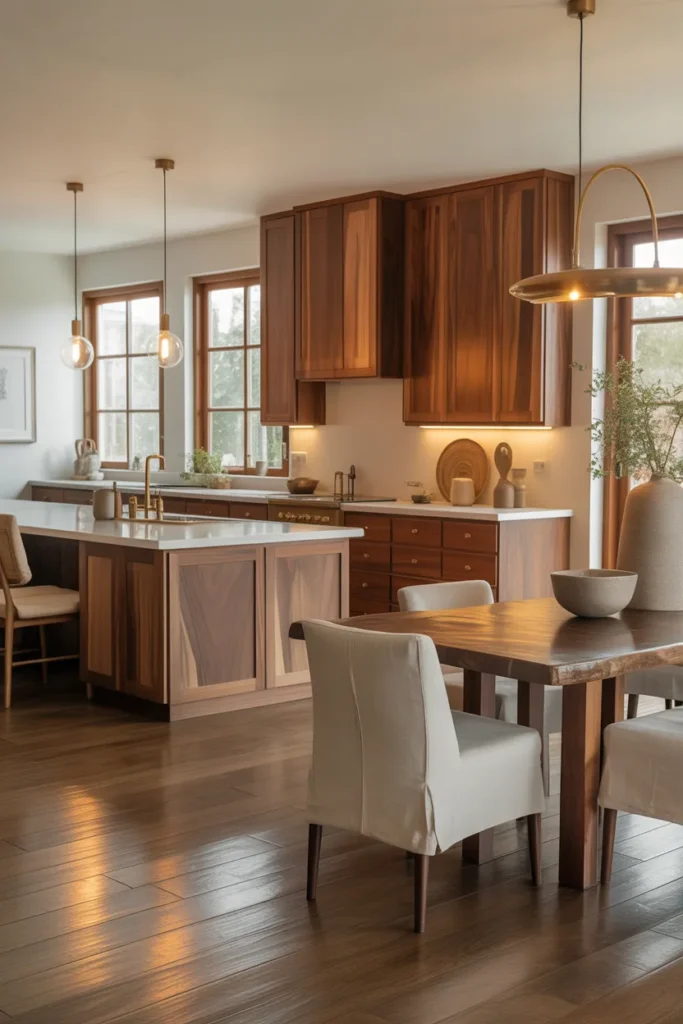 Natural textures help soften open layouts and create warmth. Wood surfaces, woven seating, and subtle stone details add comfort while keeping the space breathable. Matching tones between kitchen and dining areas maintain harmony and flow.
This design feels grounded and inviting. Natural materials balance openness with coziness, making the environment feel relaxed rather than stark. The seamless blend supports everyday living with visual calm and warmth.
11. Open Living Space with Minimal Furniture
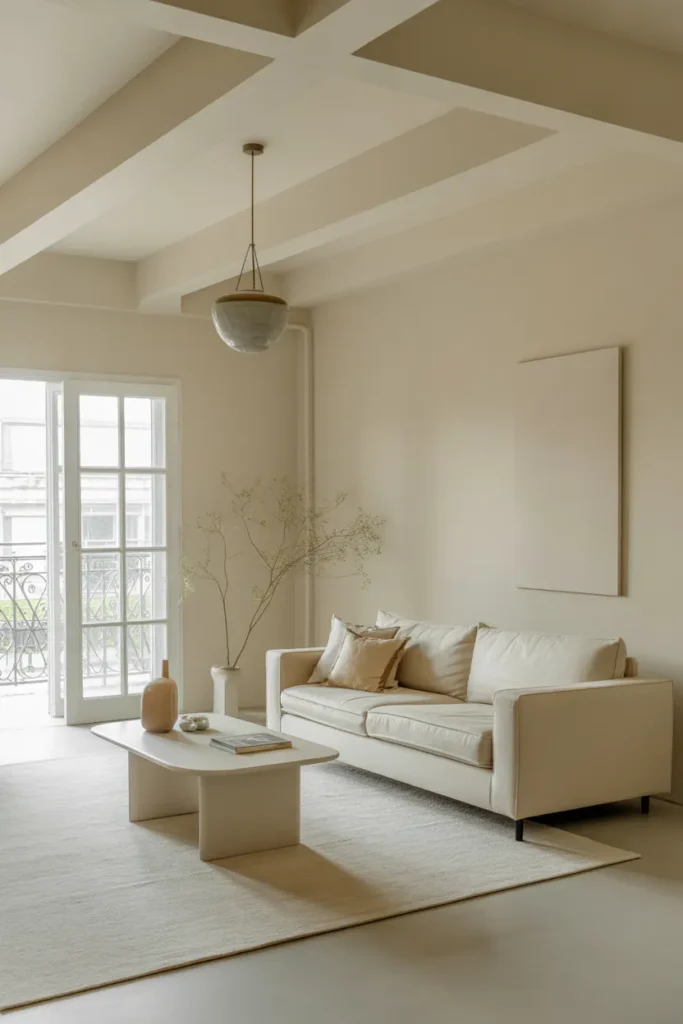 Minimal furniture allows an open living space to feel light and uncluttered. Clean lines and simple silhouettes enhance movement and maintain visual clarity. Neutral tones prevent distraction while soft textures add comfort.
This approach prioritizes space and ease. The room feels peaceful and functional without unnecessary elements. Minimalism enhances openness, making the home feel balanced, breathable, and easy to enjoy.
12. Open Floor Plan with Cozy Lounge Zones
 Cozy lounge zones make large open spaces feel welcoming. Grouped seating arrangements define relaxation areas while keeping the layout open. Rugs and lighting subtly separate zones without blocking flow.
This balance creates comfort within openness. Each area feels purposeful while remaining connected. The result is an inviting space that supports both social interaction and quiet moments.
13. Kitchen Sightlines That Stay Open
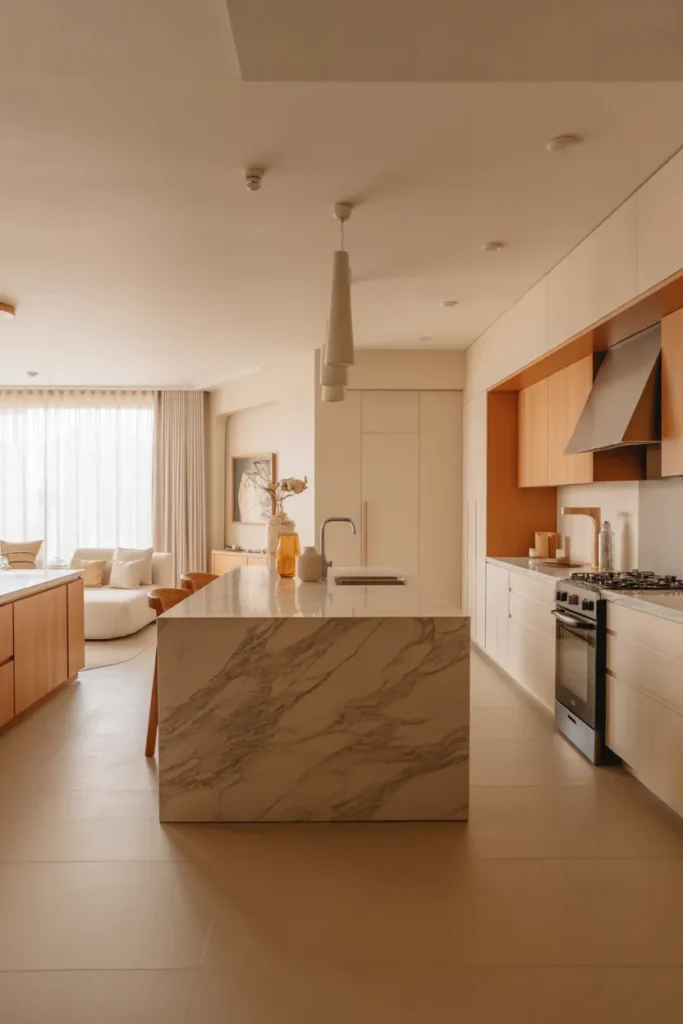 Clear sightlines are essential in open kitchens. Streamlined cabinetry and uncluttered surfaces allow views to flow naturally into living areas. Neutral finishes reflect light, keeping the kitchen visually light.
This design strengthens connection between spaces. The kitchen feels integrated rather than dominant, enhancing openness. Clean sightlines support a calm, welcoming atmosphere throughout the home.
14. Open Space Anchored by a Statement Rug
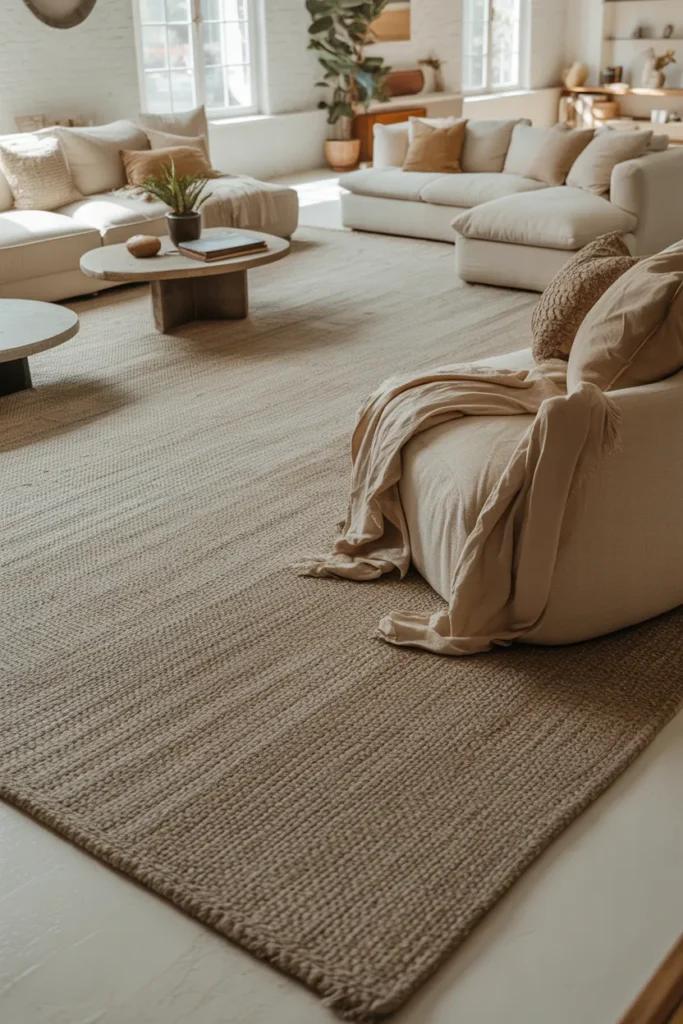 A large statement rug grounds an open living area without closing it off. It defines the space while maintaining visual continuity. Neutral patterns add interest without overwhelming the room.
This approach adds structure while preserving openness. Furniture layered over the rug feels intentional and cozy. The space remains organized, warm, and visually balanced.
15. Open Concept with Warm Layered Lighting
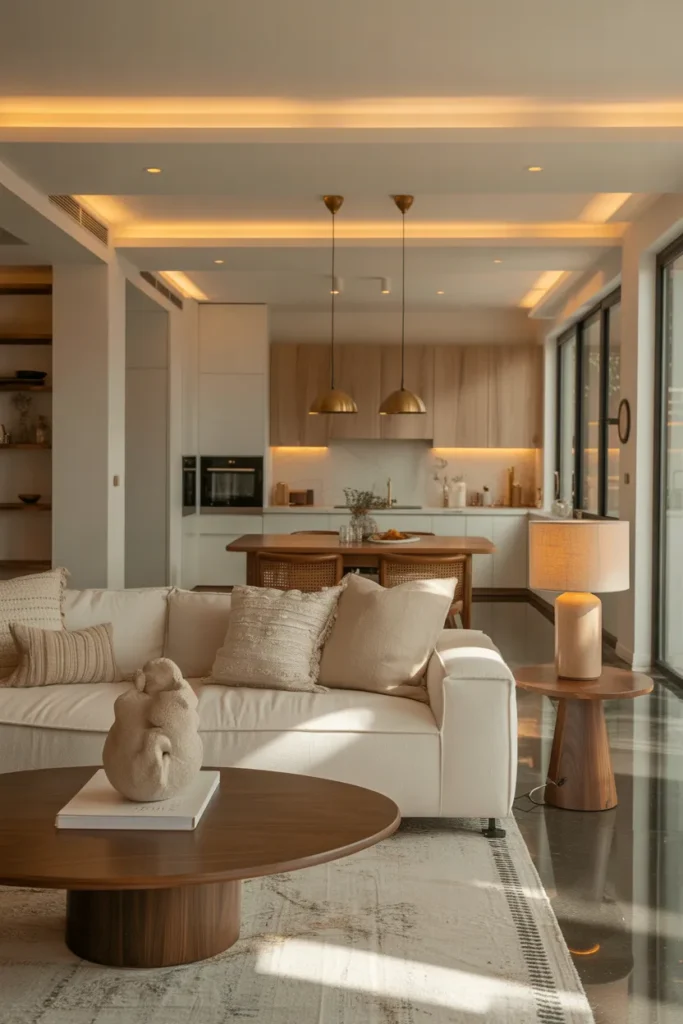 Layered lighting adds depth and warmth to an open floor plan. Pendants, floor lamps, and ambient lighting work together to define zones without walls. Warm tones prevent the space from feeling cold.
This lighting strategy enhances comfort day and night. It maintains openness while creating intimacy, making the home feel welcoming and beautifully balanced.
16. Open Floor Plan with Soft Neutral Color Flow
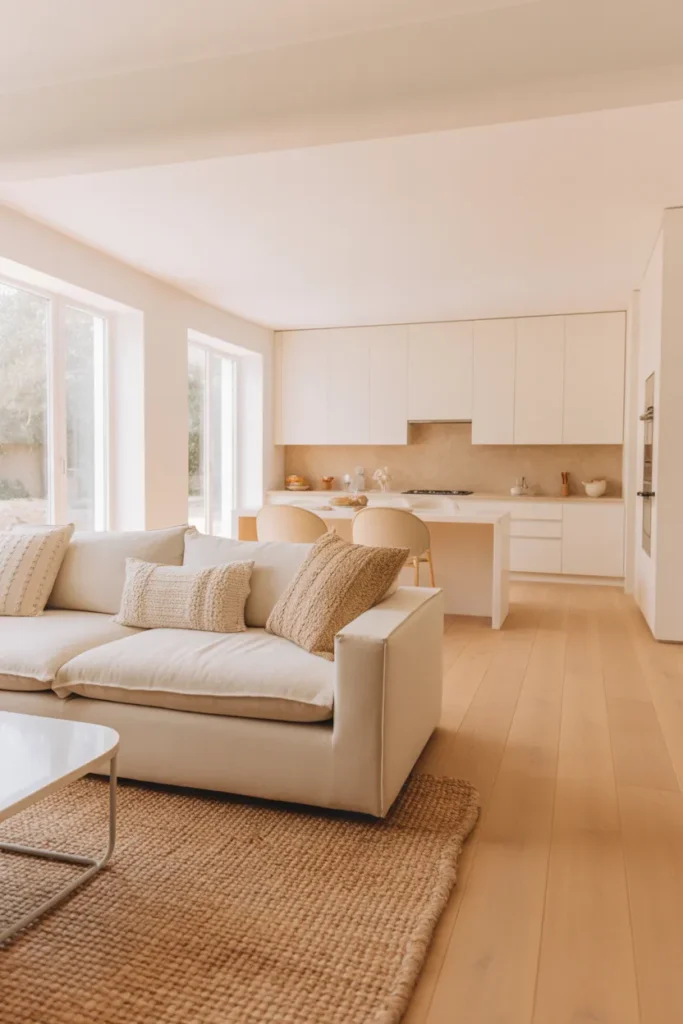 A soft neutral color flow brings harmony to an open floor plan. When shades of beige, warm white, and light taupe transition smoothly from one area to another, the space feels calm and uninterrupted. This gentle palette allows light to bounce freely, making the home feel larger and more open. Visual consistency reduces distractions and creates a soothing backdrop for everyday living.
The beauty of this approach lies in its simplicity. Subtle variations in tone add depth without breaking flow. The result is a cohesive, airy environment that feels intentional, relaxed, and effortlessly welcoming.
17. Open Living and Dining with Visual Balance
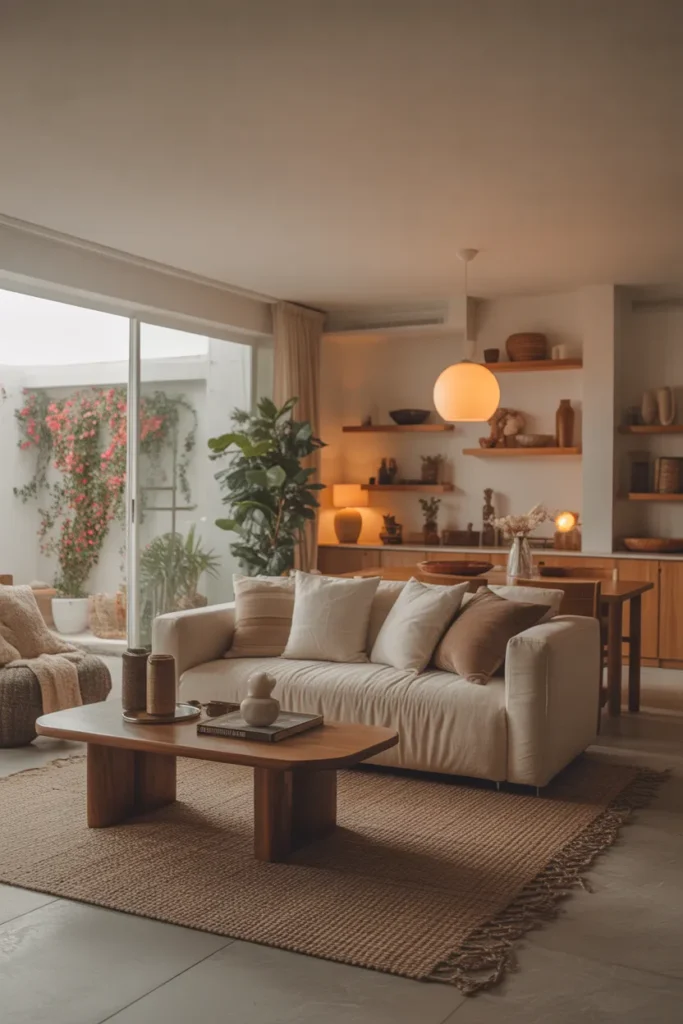 Visual balance is essential in open living and dining areas. Thoughtful furniture placement ensures neither space feels heavier than the other. Matching materials, similar color tones, and equal spacing help maintain harmony. Rounded shapes and soft textures prevent the layout from feeling rigid, keeping the atmosphere relaxed and inviting.
When balance is achieved, movement feels natural and unrestricted. Each zone has its purpose without competing for attention. This creates a space that feels comfortable, organized, and visually calm while still allowing openness to take center stage.
18. Open Floor Plan with Natural Light Pathways
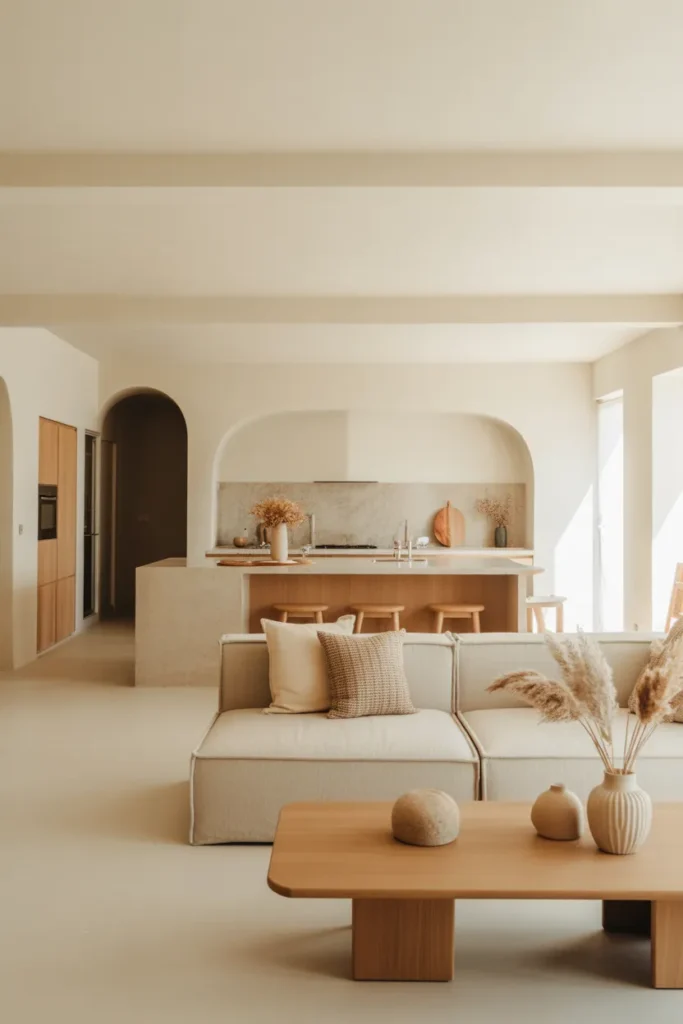 Designing with natural light in mind transforms an open floor plan. When windows and doors are positioned to allow sunlight to pass through multiple areas, the home feels bright and alive. Light-colored walls and surfaces enhance this effect by reflecting daylight throughout the space.
This thoughtful use of light creates an uplifting atmosphere. Shadows are softened, transitions feel seamless, and every area benefits from warmth and brightness. The result is a home that feels expansive, energized, and deeply connected to its surroundings.
19. Kitchen and Living Space with Low Visual Barriers
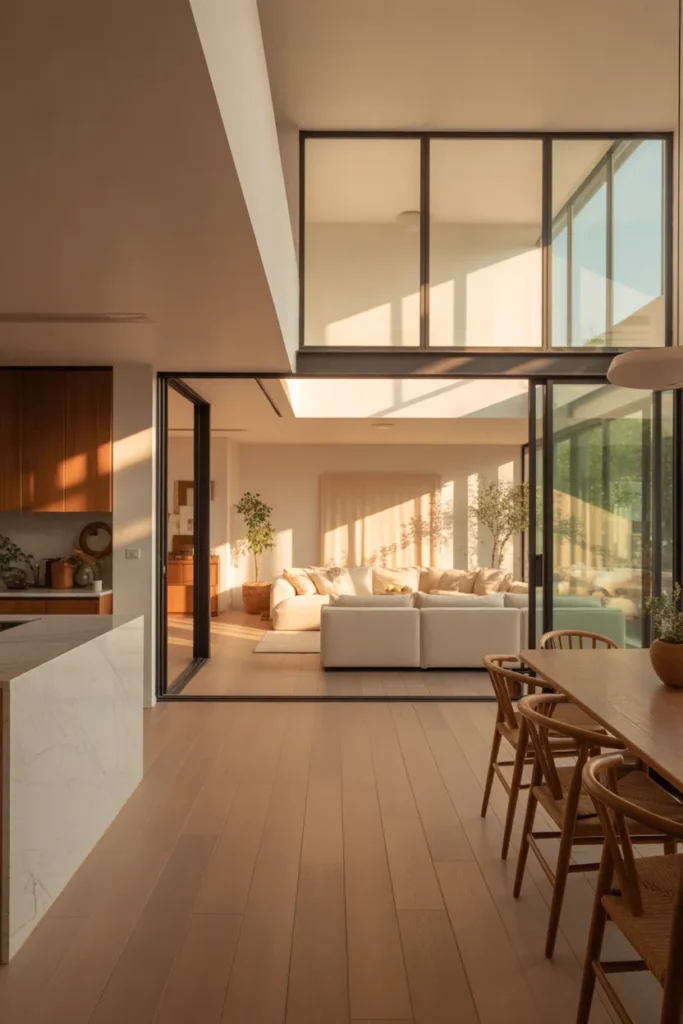 Low visual barriers help preserve openness in shared kitchen and living spaces. Choosing low-profile furniture and streamlined cabinetry keeps sightlines clear and uninterrupted. This allows the eye to move freely, enhancing the sense of space and flow.
The layout feels lighter and more breathable. Comfort is maintained through soft materials and warm tones, ensuring the space doesn’t feel sparse. This approach creates an environment that feels spacious, relaxed, and easy to navigate while still being inviting and functional.
20. Open Floor Plan with Indoor Greenery Zones
 Indoor greenery brings freshness to an open floor plan without disrupting flow. Plants can subtly define zones while maintaining openness and visual softness. Green tones contrast beautifully with neutral interiors, adding life and warmth to the space.
This natural element improves both aesthetics and atmosphere. The space feels calmer and more balanced, with a gentle connection to nature. Carefully placed greenery enhances openness while making the home feel vibrant, welcoming, and emotionally comforting.
21. Open Space with Cozy Transitional Corners
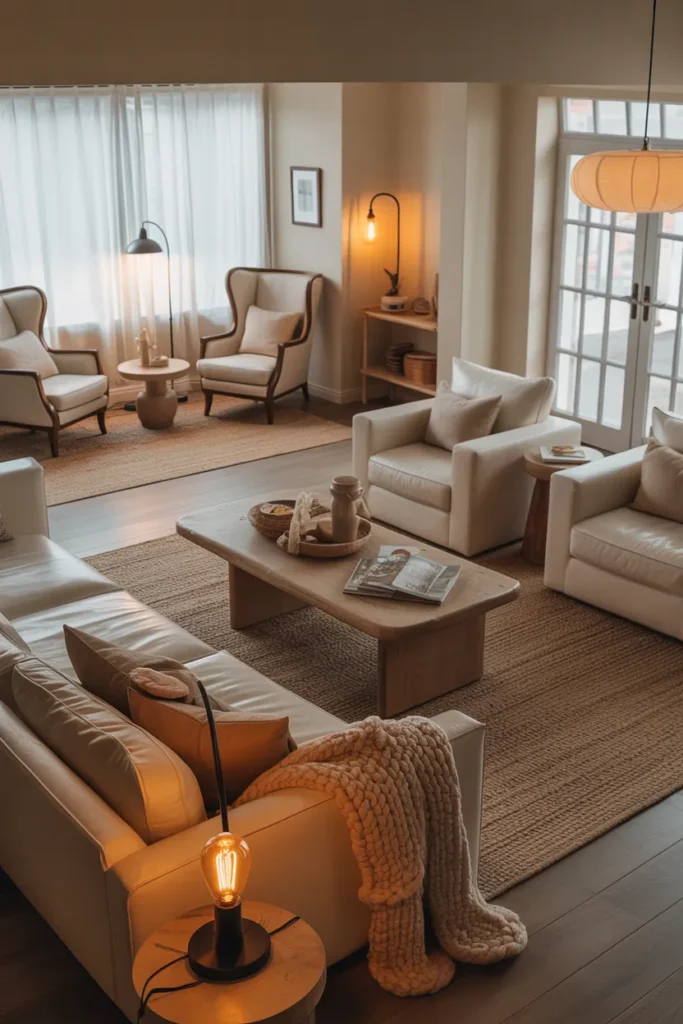 Transitional corners soften large open layouts by adding intimacy. Small seating areas, reading nooks, or quiet corners provide comfort without closing off space. Soft lighting and textured materials help these areas feel warm and inviting.
These cozy moments create emotional balance within openness. They offer places to pause while maintaining flow between larger areas. The result is a home that feels spacious yet personal, blending openness with warmth and everyday comfort.
22. Open Floor Plan with Timeless Simplicity
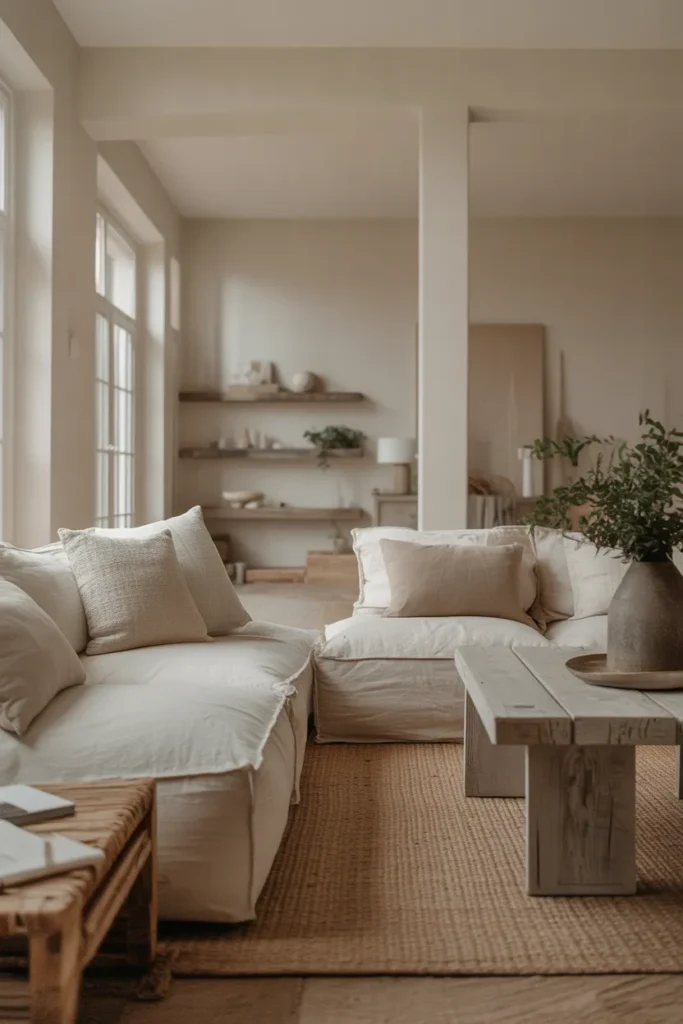 Timeless simplicity allows an open floor plan to shine. Clean lines, uncluttered surfaces, and a restrained color palette create a peaceful environment. By focusing on essentials, the space feels calm and intentional rather than busy.
This design approach ages beautifully. Light, flow, and proportion take priority over trends. Each area connects naturally, creating a home that feels enduring, balanced, and effortlessly comfortable for everyday life.